
Introduction
We built these UV curing lamps for one reason: to make semiconductor wafer cutting fast, clean, and stress-free. The whole point isn’t just curing. It’s getting the UV tape to let go—quickly and completely—without ever putting the delicate silicon at risk. We focus on nailing the exact wavelength so the adhesive releases the instant the light hits it. What used to take minutes? Now it takes seconds.
The Secret Sauce: Power and Wavelength
Here’s the thing: it all comes down to the light itself. We use a high-intensity UV lamp tuned to a very specific wavelength—usually right around 365nm or 395nm. That precision is key. It zeroes in on the photoinitiators in the tape, making the adhesive polymerize and lose its grip instantly. We pack the lamp with serious power density, so the energy punches through the carrier film and hits the adhesive where it matters. And because it’s engineered for rapid cycling, you don’t have to wait around. It keeps up with high-throughput processing without any lag for thermal ramp-up.
Built to Last: Quartz and a Simple Fit
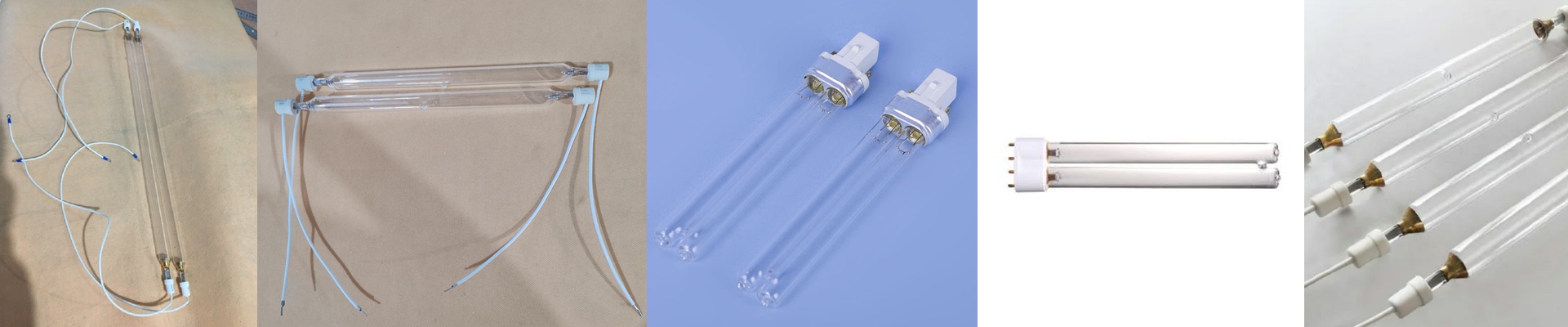
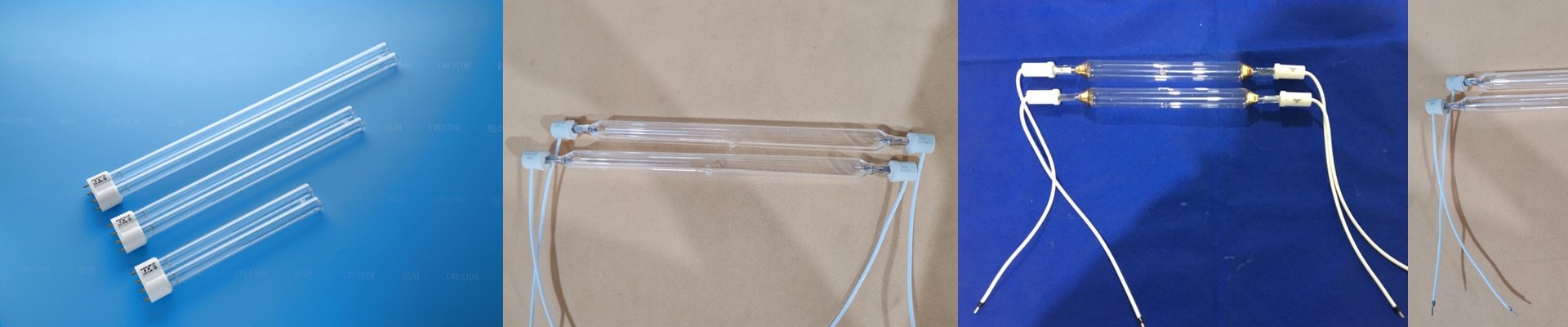
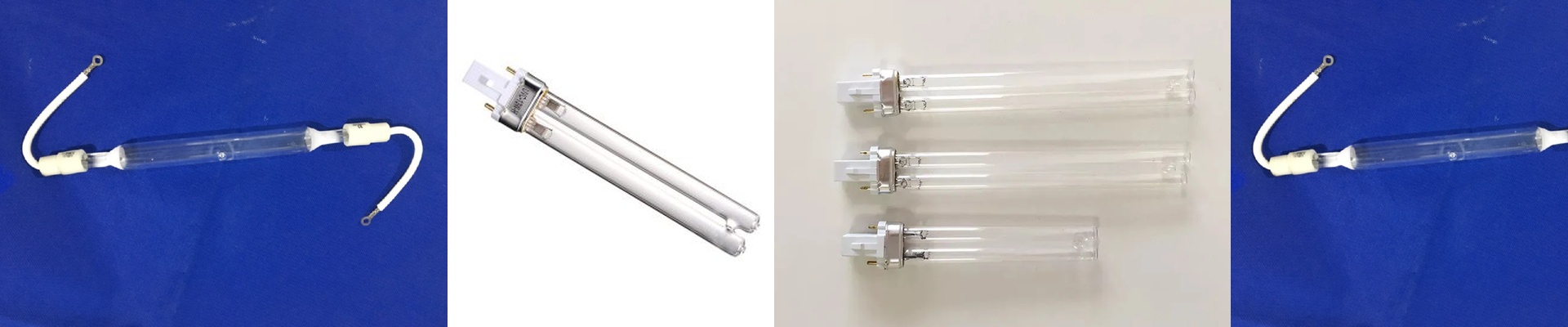
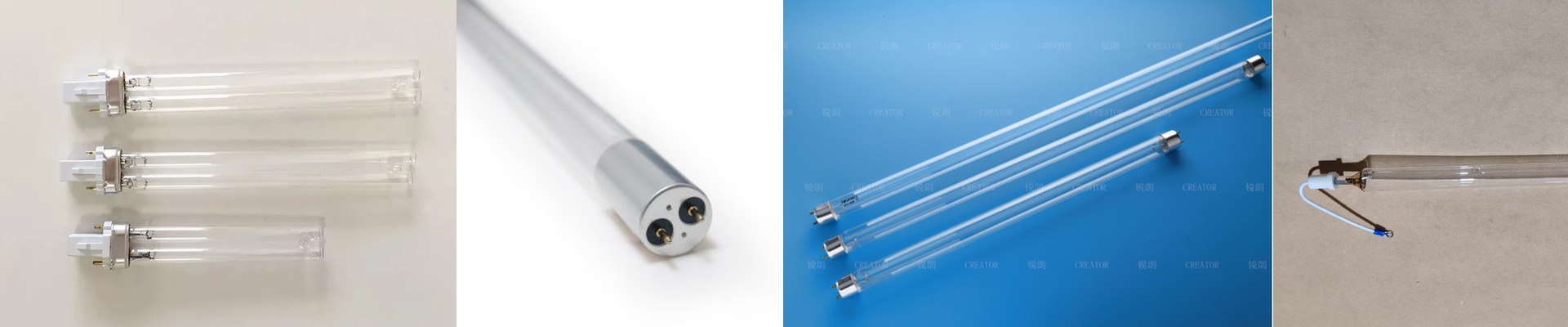
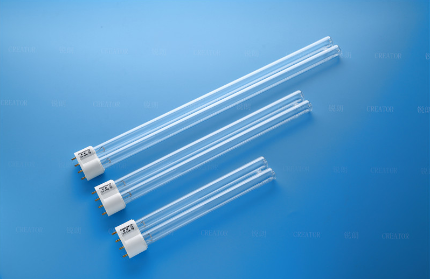
The lamp body is made from high-purity quartz. It handles the heat, stands up to thermal shock, and lets the UV output through cleanly. Inside, a halogen element keeps the output stable and repeatable, even after thousands of cycles. For integration, we went with an R7s connector. It’s a standard, two-pin linear fitting that makes replacement a breeze—just plug it in and go. No complicated wiring, and it fits right into the fixtures you already have on your wafer handling equipment.
Real-World Results: Cleaner Wafers, Faster
Out on the shop floor, the lamp sits right over the UV tape after dicing. You trigger the exposure, and the adhesive releases cleanly. That means no more prying. No more risk of micro-scratches on the wafer. Just a clean release that keeps your throughput moving and your yield high. Now, the one thing to keep in mind is heat. This is a high-intensity lamp, so it needs proper cooling to keep the wafer temperature steady. Plan for solid airflow or water cooling, and you’ll get consistent performance shift after shift.