
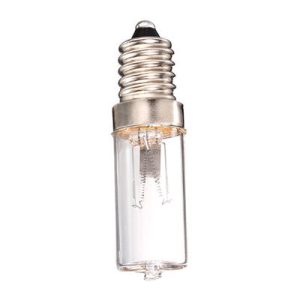
On the floor, when color drifts on offset or screen work, it’s rarely just the ink. It usually starts with the UV spectral output missing the photoinitiator’s absorption band. Get the wavelength matched and the cross-linking reaction settles down. Miss it, and you’ll be chasing uneven density even when the lamp intensity reads fine.
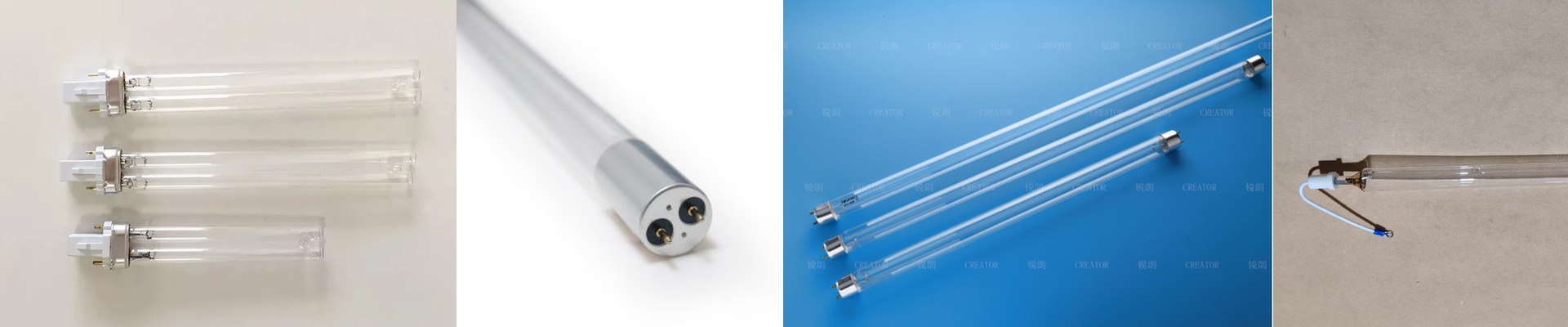
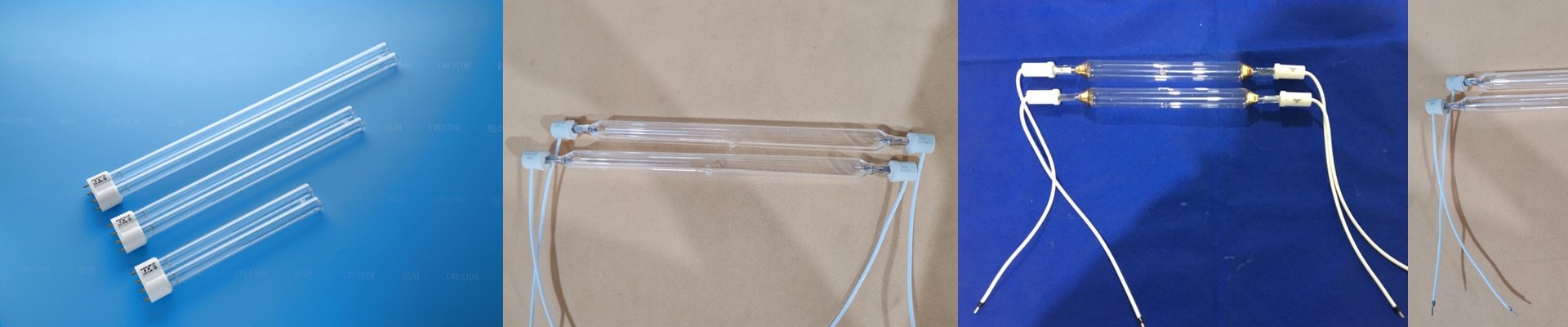
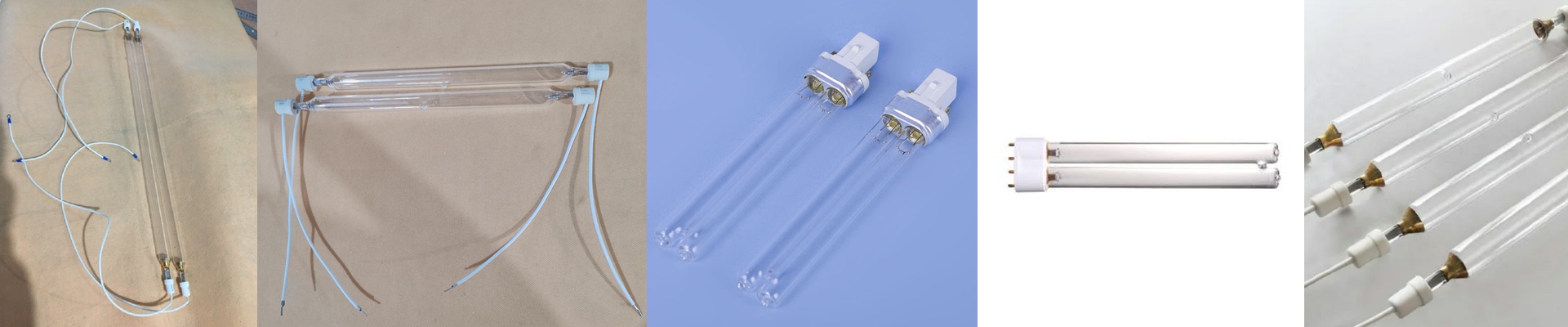
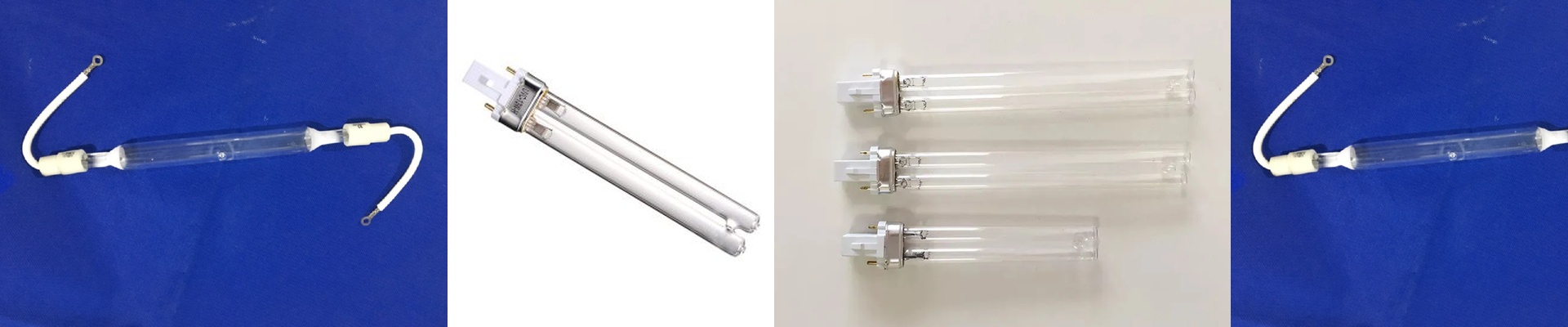
What actually matters under the hood Nordson UV lamp parts are built around the spectral behavior of high-pressure mercury vapor lamps—strong output at 365 nm, and balanced lines at 313 nm and 405 nm. That matters because the photoinitiators in offset and screen inks tend to have sharp absorption peaks, often right around 365 nm. When the lamp’s peak irradiance is off-target, the ink surface cures while the bulk stays undercured. Operators end up dialing up power and slowing the line just to compensate. You want stable output along the full arc length, a controlled lamp life degradation curve, and reflectors with dichroic coatings that bounce usable UV back onto the substrate instead of dumping energy as heat. Why this plays in screen and offset Ink film thickness varies by design in screen and offset, so curing comes down to delivering a consistent photon dose. Nordson lamp parts give you repeatable intensity and spectral stability, which keeps photoinitiator activation steady from run to run. The payoff is predictable dot gain, consistent gloss, and color that holds from the first sheet to the ten-thousandth. You also get fewer warm-up swings, less variance in cure speed, and energy use that tracks what you’re actually running, not what the idle machine is burning. The stuff you can’t skip Spectral output and total lamp output fall off as electrodes age and quartz sleeves lose transmission. Check compatibility at the connector interface, match the reflector geometry, and confirm the shutter cycle rate for your specific press. Plan for ozone-free operation when airflow is tight, and make sure the cure window hits the required energy density (mJ/cm²) at your line speed. Match the lamp to the ink, and the process stops fighting the physics.
כשהצבע מדלג בתהליכי הדפסת אוף-סט או סריג, נדיר שזה רק בעיית הדיו. לרוב הבעיה מתחילה ביציאת הספקטרום של אור ה-UV שאינה תואמת את אזור הספיגה של הפוטואיניציאטור. כשמתאימים את אורך הגל, תגובת הקישור החוצה מתייצבת. אם מפספסים את ההתאמה, תמצאו את עצמכם אחרי צפיפות לא אחידה גם כאשר עוצמת המנורה נראית תקינה.
מה שבאמת קובע בתהליך רכיבי מנורות ה-UV של Nordson מבוססים על ההתנהגות הספקטרלית של מנורות אדי כספית בלחץ גבוה — פלט חזק ב-365 ננומטר, וקווים מאוזנים ב-313 ננומטר ו-405 ננומטר. זה קריטי כי הפוטואיניציאטורים בדיו של אוף-סט וסריג בדרך כלל מציגים פיקים חדים של ספיגה, לרוב סביב 365 ננומטר. כאשר שיא ההתנעה של המנורה אינו מדויק, שטח הדיו מתקשה בעוד שהנפח הפנימי נשאר תחת התקשות. מפעילים נאלצים להעלות את ההספק ולהאט את קצב הקו רק כדי לפצות על כך. יש לשאוף לפלט יציב לאורך אורך הקשת המלא, עקומת התיישנות מנורה מבוקרת, ומחזירי אור מצופים בשכבות דיכרואיות שמחזירות את ה-UV השימושי חזרה אל המצע במקום להמיר את האנרגיה לחום. מדוע זה רלוונטי בסריג ואוף-סט עובי שכבת הדיו משתנה בהתאם לתכנון בסריג ואוף-סט, לכן ההתקשות תלויה במתן מינון פוטונים עקבי. רכיבי מנורות Nordson מספקים עוצמה יציבה וייצוב ספקטרלי, שמאפשרים הפעלה מתמדת של הפוטואיניציאטור מקצה לקצה של הריצה. התוצאה היא רווח נקודות צפוי, ברק עקבי וצבע שמור מהגליון הראשון ועד העשרת אלפים. קיים גם הפחתה בתנודות בזמן ההתחממות, פחות שונות במהירות ההתקשות, ושימוש באנרגיה שמשקף בפועל את ההפעלה ולא את צריכת המערכת במצב השהייה. הדברים שלא ניתן לוותר עליהם הפלט הספקטרלי ופלט המנורה הכולל פוחתים ככל שהאלקטרודות מזדקנות ושרוולי הקוורץ מאבדים מהעברת האור. בדקו תאימות בממשק החיבור, התאימו את גאומטריית המחזיר, ואשרו את קצב מחזור התריס עבור המדפסת הספציפית שלכם. תכננו להפעלה ללא אוזון כאשר זרימת האוויר מוגבלת, וודאו שחלון ההתקשות מגיע לצפיפות האנרגיה הנדרשת (mJ/cm²) במהירות הקו שלכם. תאימו את המנורה לדיו, והתהליך מפסיק להיאבק בחוקי הפיזיקה.