
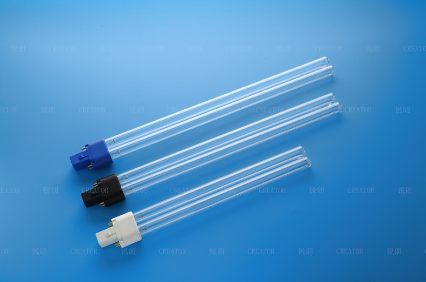
The 0.5% Difference: The Real Story Behind Our Mercury UV Lamp for Paint Drying
We built this mercury UV lamp with one goal in mind: nailing that 0.5% spectral energy concentration. In paint drying, that tiny number isn’t just a nice detail—it’s the difference between a flawless, cured finish and a part that gets scrapped. This is for the engineers who need performance they can count on, every single time.
Power, Voltage, and the Geometry Game
Let’s talk about what makes this thing tick. We run the lamp at high voltage because it keeps the arc steady. That means the output stays rock-solid from the moment you flip the switch until its very last cycle. The tube length and diameter are matched to the curing chamber, so the energy spreads evenly across the wet film. We focus the shortwave output right where the photoinitiators in the coating absorb it best. The result? Curing happens faster, with less total energy. But here’s the catch. Pushing that much power into a short arc cranks up the heat. If your machine’s cooling and reflector setup aren’t up to the task, you’ll lose output stability and the lamp won’t last. So yeah, thermal management is not optional.
The Details That Actually Matter
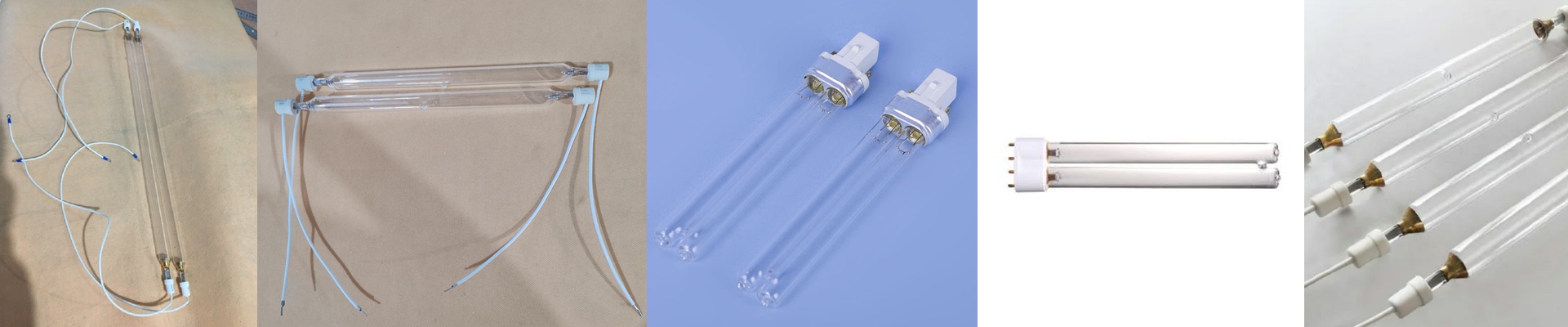
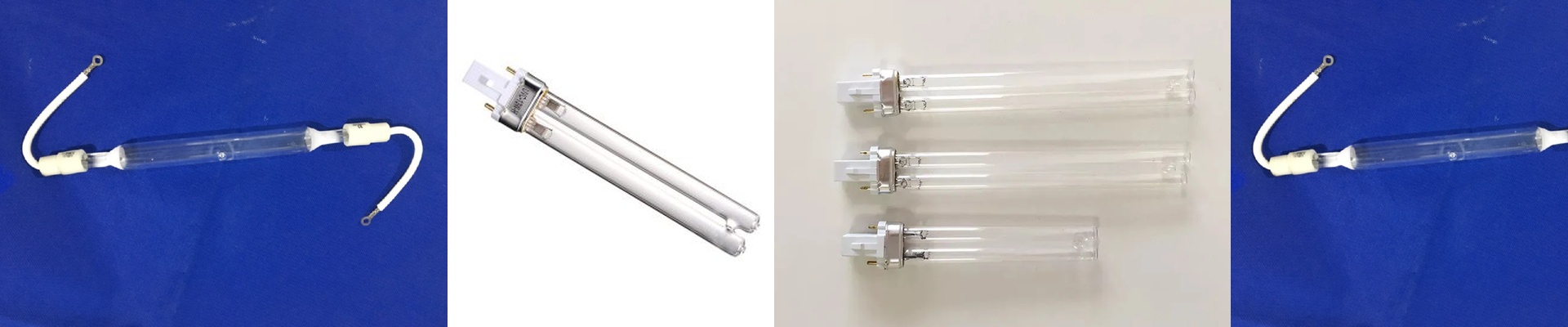
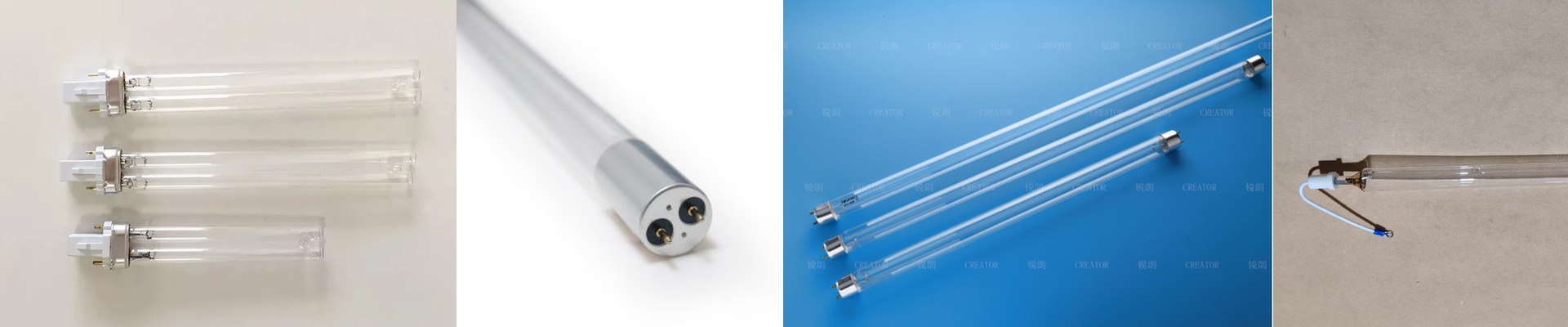
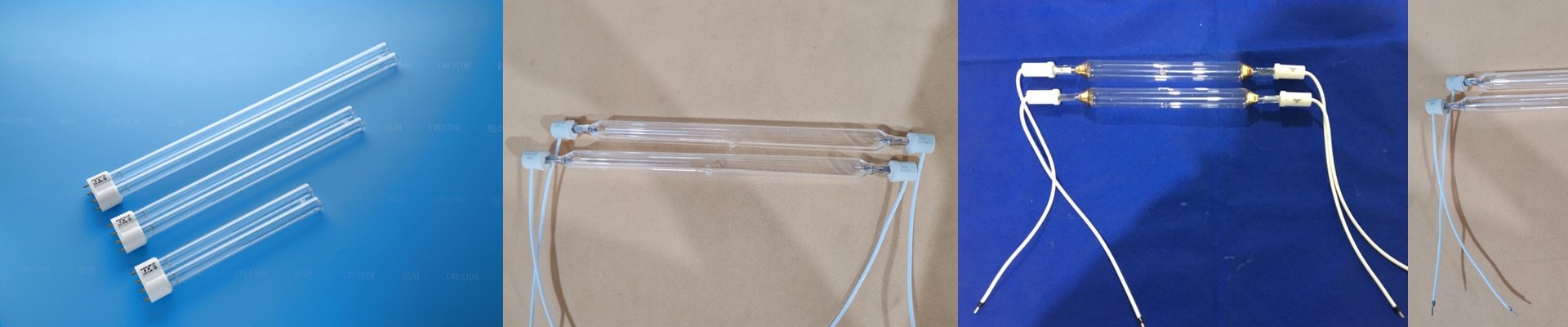
We chose a quartz envelope because it can handle the heat and lets the UV pass through cleanly. Inside, the mercury charge is calibrated to keep the spectral output stable across the whole arc. The electrodes are built for the real world, too. They reignite reliably, even after countless on/off cycles. And the R7s bi-pin connector? It’s more than just convenient. It gives you a rigid, aligned connection that handles the current without creating hot spots. It also makes the lamp a simple drop-in replacement, so you can swap it out without rewiring the whole fixture.
What It Feels Like on the Factory Floor
When you’re curing paint, you want to harden the surface without frying the part underneath. This lamp’s spectral concentration hits the coating chemistry directly, so you can run your line faster without cranking up the temperature. Less energy wasted on heating air and metal. More energy focused on the one thing that matters: the curing reaction. We built this system to survive the grind. Stable output. Tough ignition. A connector that holds firm, even when the whole line is vibrating. For you, that means fewer stops. Fewer parts that need rework. And maintenance that you can actually plan for. If your process lives and dies on precise curing energy, this lamp was built to match your needs—one hard-won 0.5% at a time.