
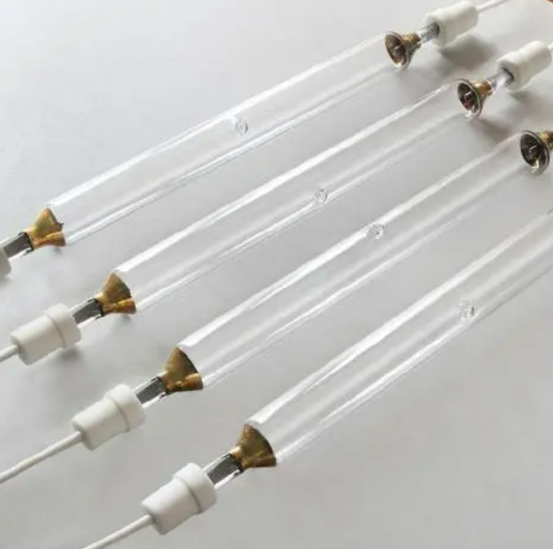
Industrial Mercury UV Bulbs: The Power Behind Wafer Debonding
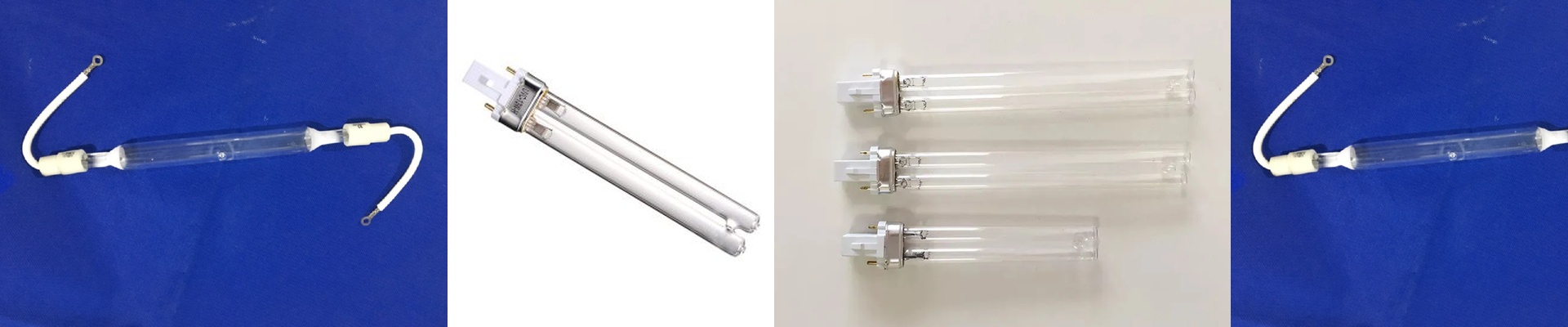
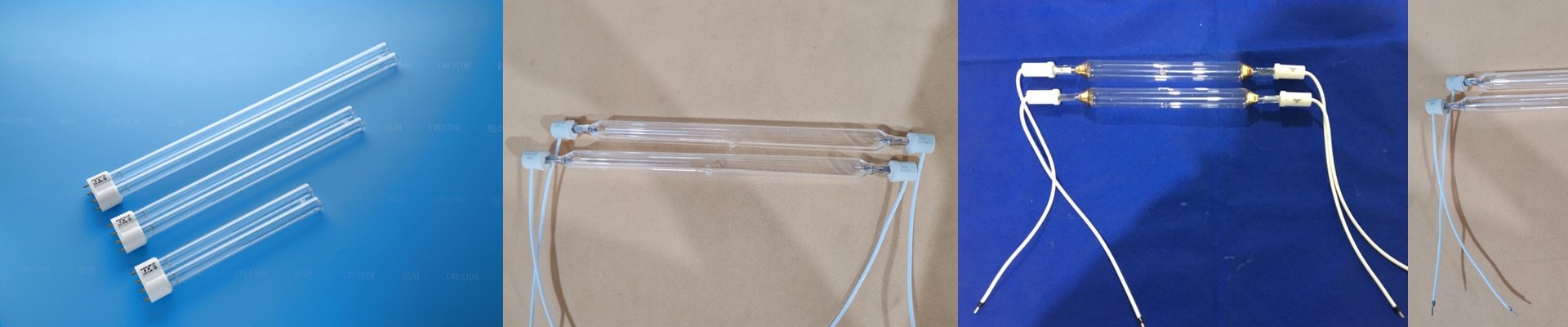
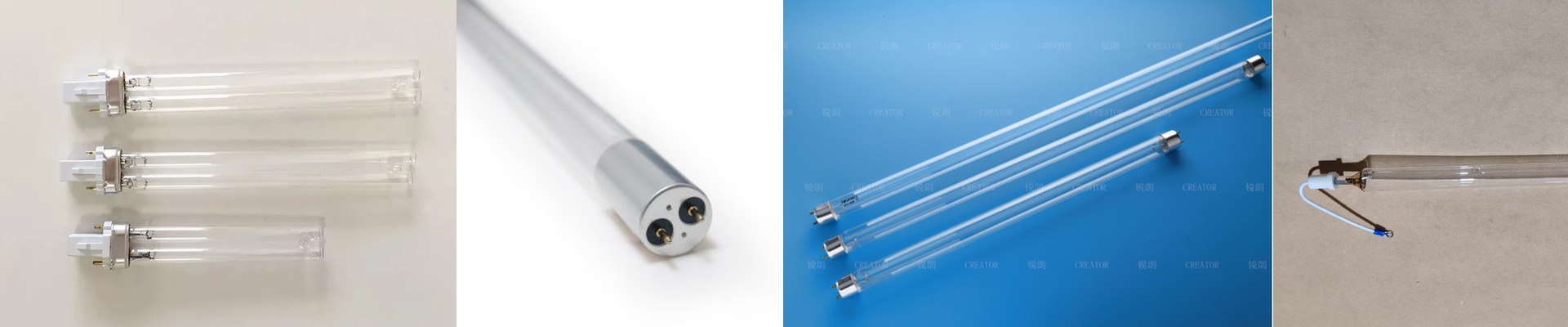
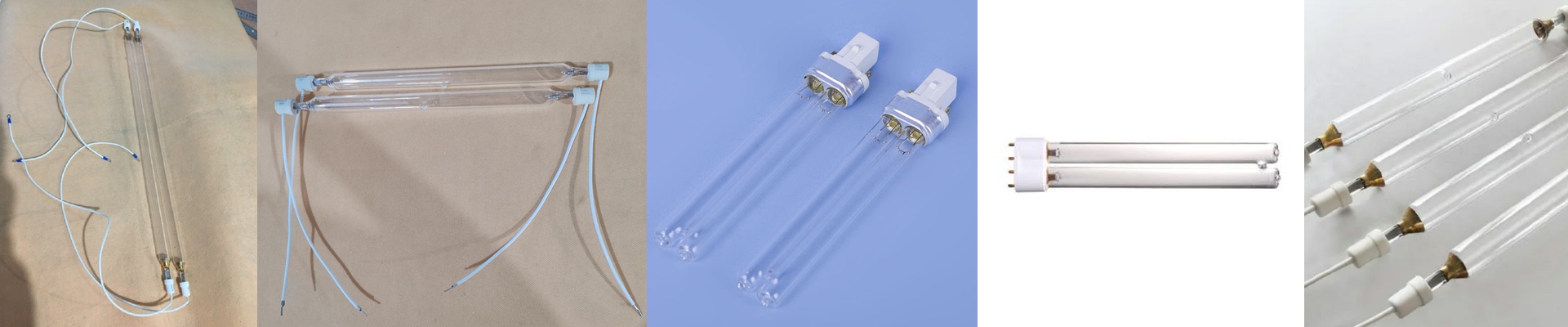
Picture this: you’re on the line, and that semiconductor wafer needs to be freed from its UV tape. Fast. Clean. No mess, no residue, no stress. That’s where our industrial mercury UV bulbs come in. They aren’t just a light source—they’re the workhorse that makes the whole debonding process happen, instantly breaking the adhesive bonds without a hitch.
What Makes Them Tick: Power and Precision
Here’s the thing: you can’t just use any old lamp. The wavelength has to be spot-on. These bulbs are tuned to deliver a tight, focused peak—usually right at 365nm—that hits the UV-sensitive adhesive like a key in a lock. That targeted energy breaks the polymer bonds instantly, without heating up the wafer underneath. And to get that kind of punch, the bulbs run on high voltage, driving the arc discharge to create the UV intensity needed for a clean, complete release. The wattage and tube length are matched to the beam profile, so you get even coverage across the whole wafer.
Built to Last in the Cleanroom
We’re talking about a tough environment, and these bulbs are built for it. The envelope is made from high-purity quartz glass, which keeps the UV transmission strong and handles the thermal shock of rapid on/off cycles without cracking. Inside, the mercury amalgam keeps the spectral output stable over the bulb’s life, so you don’t get wavelength drift that could cost you yield. And the R7s double-ended base? Practical and reliable. It locks the bulb into the fixture in the right orientation, holds up to high heat, and keeps everything lined up with the reflector system. This thing is made to run, and run hard.
What It Means for You: Speed, Cleanliness, and Reliability
On the shop floor, it all comes down to one thing: you get speed without the risk. These bulbs deliver the energy density needed to debonding in under a second, so the wafer lifts off clean and ready for the next step. Because the wavelength is so focused, the silicon stays protected—no damage, no device integrity issues. But there’s one catch: this is a high-power discharge lamp, so it generates a lot of heat. You’ve got to make sure the machine’s cooling system is up to the task. Get that right, and you’ve got a reliable, drop-in solution that keeps your line moving without skipping a beat.