Making UV Lamps That Don’t Trash the Planet
We’re changing how we build our UV lamps. And look, this isn’t some corporate “green” initiative to make the brochures look better. It’s about the actual chemistry in the tube and the physics of the electrode. We want to stop sending hazardous waste to the landfill, plain and simple.
The Stuff We Use (And Why It Matters)
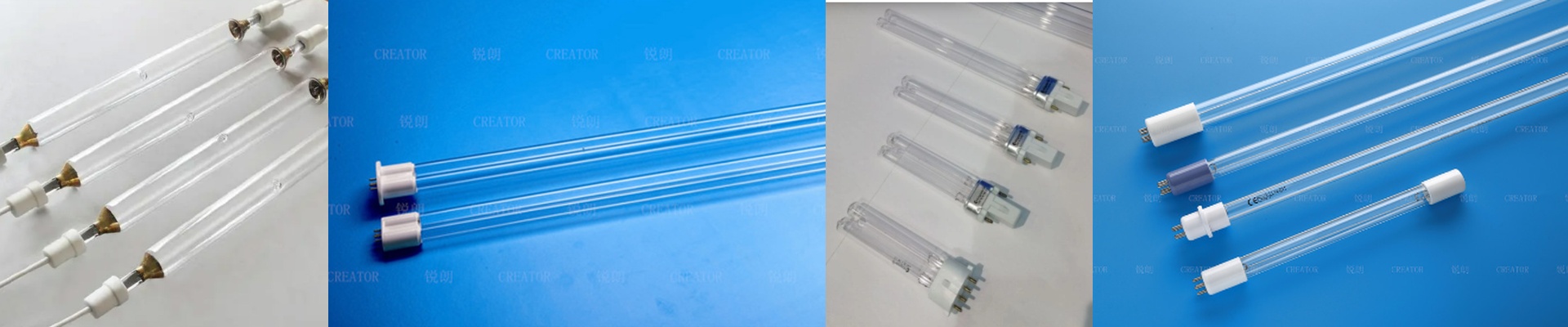
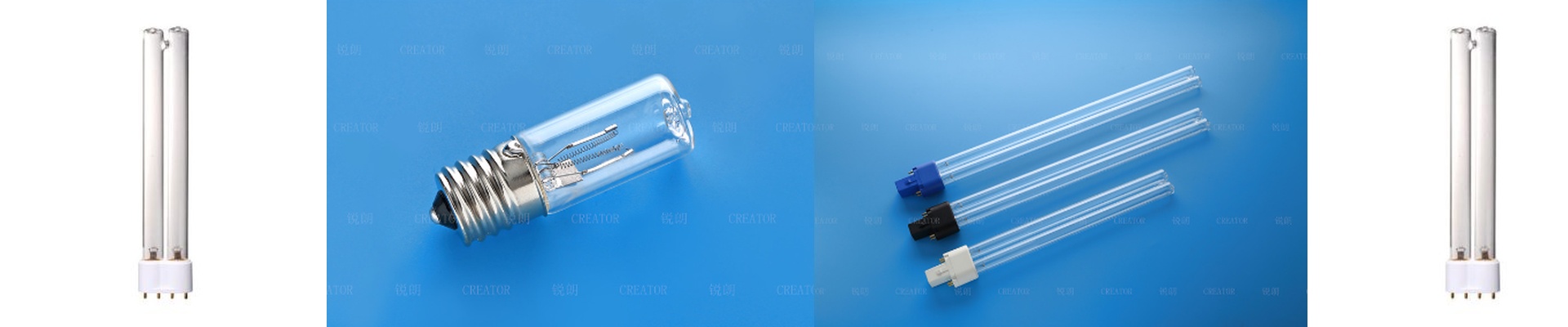
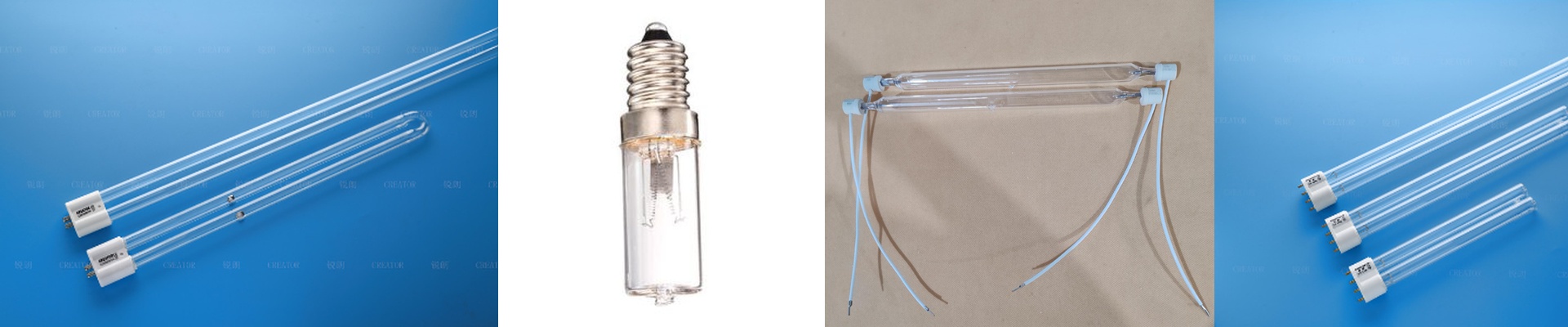
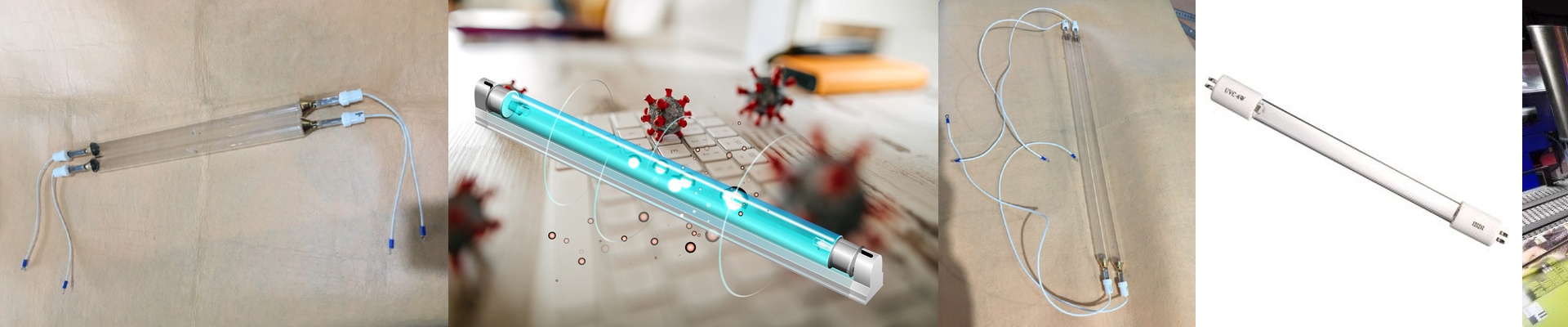
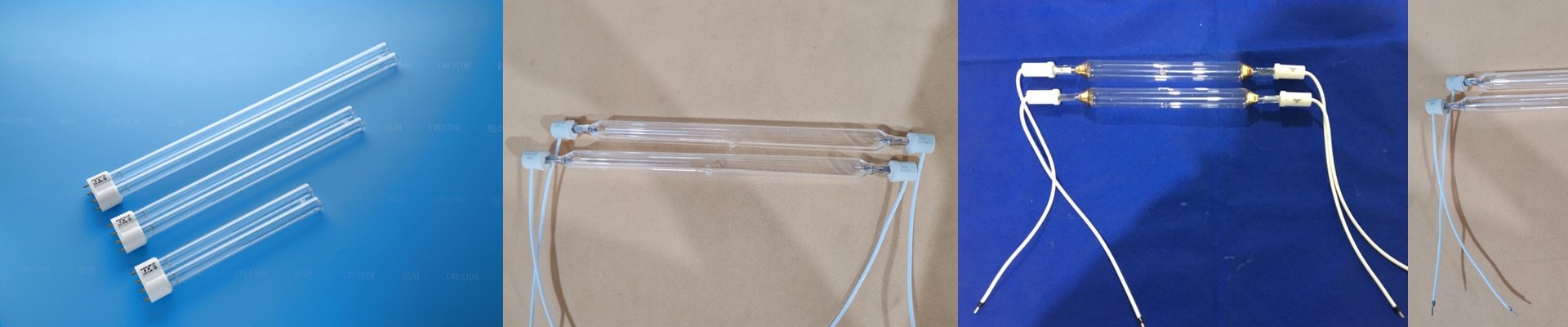
Most UV lamps are a nightmare to get rid of because of the materials inside. We’ve spent a lot of time swapping those out for high-purity synthetic quartz and mercury-free options wherever we can. The high-purity quartz is a big deal. It cuts down on the impurities that usually make a tube go cloudy over time. When the tube stays clear, the UV output stays strong. It’s a win-win. You get a lamp that lasts longer, which means you aren’t tossing replacements in the bin every few months.
Built to Actually Last
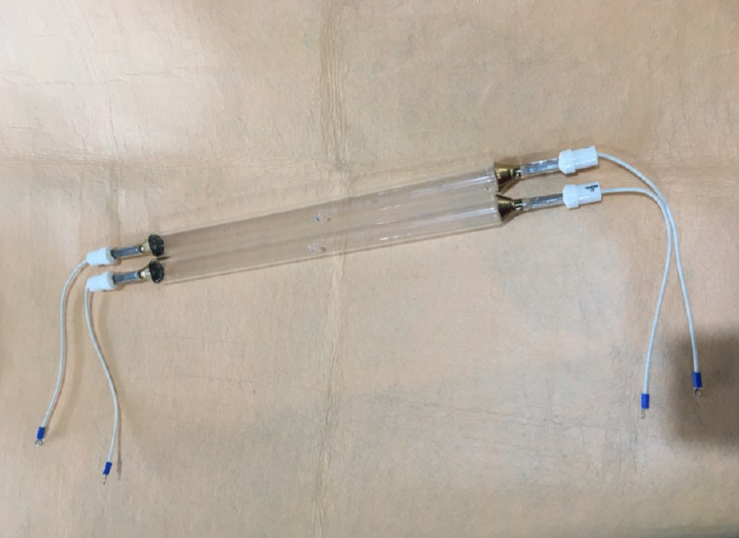
Usually, when a UV lamp dies, it’s the electrode’s fault. To fix that, we started using a specific alloy for the filaments. It keeps them from snapping or burning out when those annoying high-voltage spikes hit. We also tweaked the internal gas fill. We’ve balanced the pressure so the arc stays right where it belongs—dead center. When the arc doesn’t wander and slam into the tube walls, the quartz stays clean. That’s how you keep your irradiance levels high for way longer than usual.
The Honest Trade-offs
Here’s the thing: eco-friendly materials don’t always behave exactly like the old stuff. These tubes can run a bit hotter to hit the same curing speeds as the legacy lamps. Because of that, you’ll want to double-check your cooling fans or water jackets. If your airflow is choked, the lamp is going to wear out faster, no matter how good the materials are. The good news? They’re drop-in replacements. Just wire them into your current ballast and you’re set. You get a setup that actually fits today’s environmental rules without having to rebuild your entire line.