
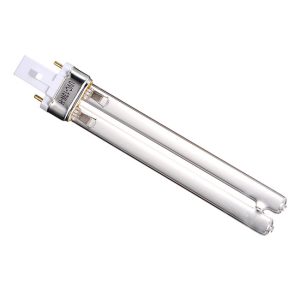
Let’s Build Your UV Lamp Brand the Right Way
Starting a UV lamp brand is about way more than just slapping a logo on a box. If you want it to actually work in the real world, you have to get the hardware right—matching the curing speeds and materials your customers are actually using. That’s where we come in. We handle the heavy lifting on the OEM side so you can decide exactly how your line should look and run.
Getting the Power Right
It all comes down to the relationship between wattage, voltage, and how long the tube is. We build these to fit your exact footprint. Need high-intensity light because your conveyor belts are flying? We’ll crank up the wattage. But here’s the thing: if you push too much power into a short tube, things get hot. Fast. You’ll need to make sure your housing has enough airflow, otherwise, that quartz is going to overheat and crack. We also tweak the voltage to match your ballast. It’s a small detail, but it’s the difference between a lamp that lasts and one that burns out way too soon.
The Nitty-Gritty: Glass and Fit
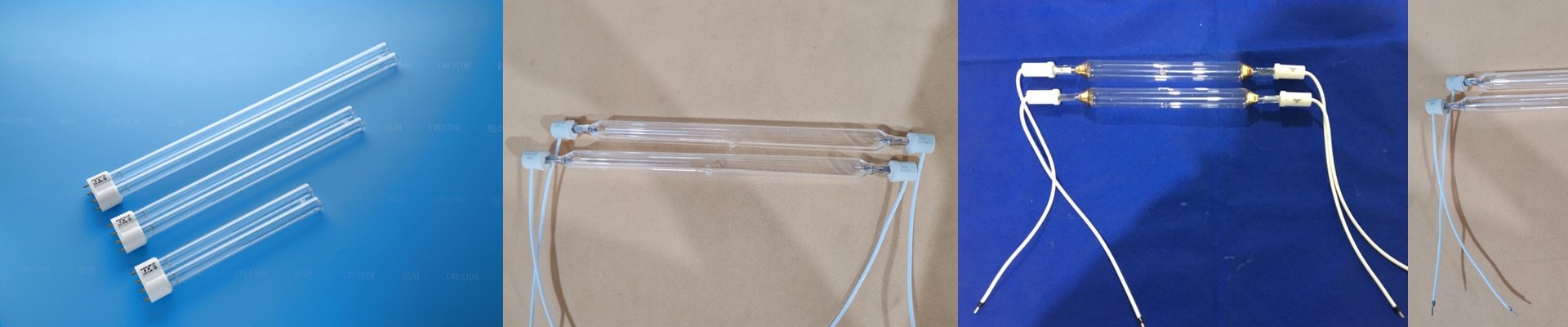
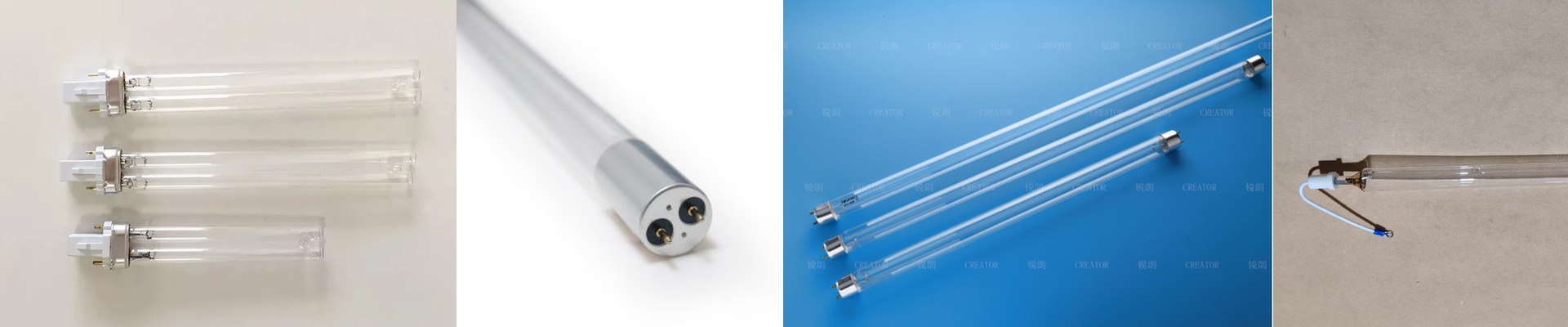
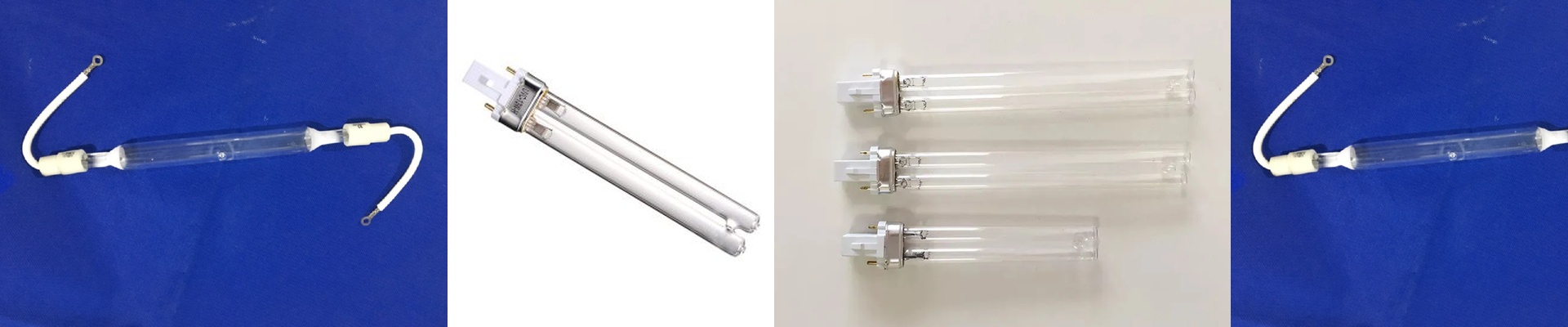
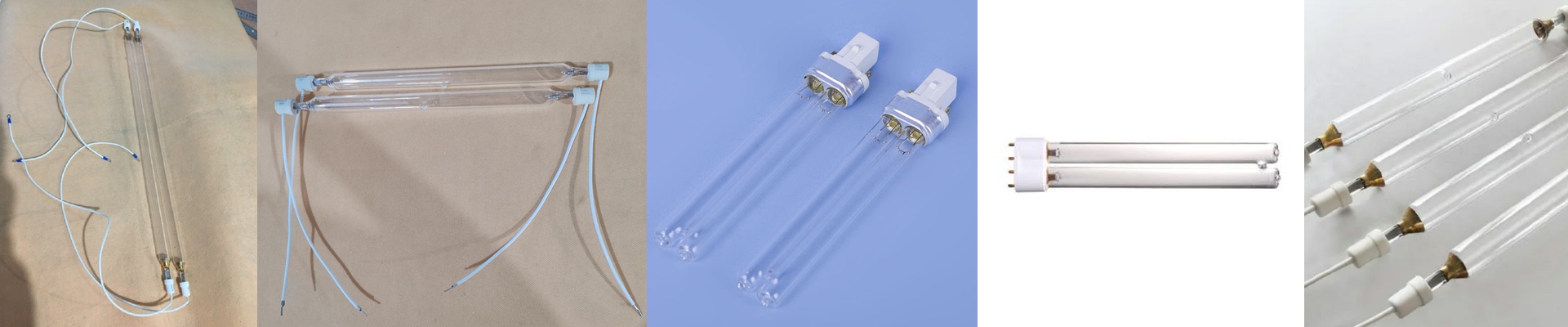
We use high-purity fused quartz because it lets the UV-C light through without any fuss. Depending on what you’re doing, we can add coatings to shift the wavelength or protect the glass from nasty chemical splashes. Then there’s the connector. Whether you want a standard pin or a custom lead, it’s all about making it easy for your customer to swap the lamp out without a headache. And we’re obsessive about the fit. If there’s even a 2mm gap where the lamp hits the reflector, you’re losing light. And in this business, wasted light is wasted money.
Balancing the Trade-offs
You can go a couple of ways here. You might want a “drop-in” replacement for a machine that’s already out there, or maybe you’re designing something completely new. High-output lamps are great for thick coatings, but they’re thirsty for power. You’ll need a power supply that can handle that initial “strike” voltage without flinching. We’ll sit down with you and figure out the sweet spot—balancing how intense the light is against how long the lamp actually lasts.