
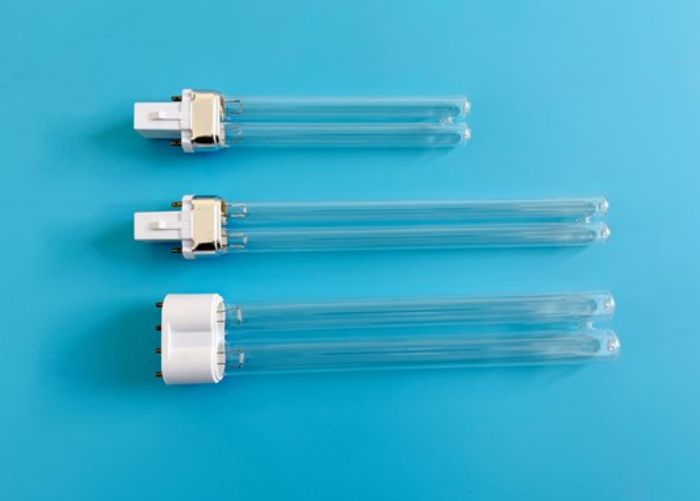
Why CE Certification Actually Matters for Your UV Lamps
A lot of people look at CE certification as just another piece of paperwork to check off a list. But if you’re getting custom UV lamps made, it’s way more than that. It’s the difference between a system that works and one that decides to fry your control board or start a fire in the middle of a production run. When we build high-intensity systems here in China, that CE mark is basically our promise that the hardware is safe. The electrical side of things Here’s the thing: UV lamps run on high voltage and they create a ton of electromagnetic noise. If the shielding or insulation is sloppy, you can end up with current leaking right into the machine frame. Not great. We build our circuits to follow Low Voltage Directives because we want those insulators to hold up even when things get hot. If you plug a non-certified lamp into a precision PLC, all that electrical “noise” can cause ghost faults. Your system might just crash for no apparent reason, and you’ll spend hours trying to figure out why. Dealing with the heat UV-C lamps get hot. Really hot. To keep things from cracking, we use high-purity fused quartz that can handle the expansion. The CE standards basically force us to double-check how the housing sheds heat and make sure the connectors aren’t going to melt into a puddle of plastic. But a word of caution: high-output lamps push materials to the absolute limit. Even with a certified lamp, if your cooling fans die or your airflow gets blocked, it’s still going to burn out. Getting into the market If you’re selling to big OEMs in Europe or the US, they aren’t going to gamble their reputation on uncertified parts. They can’t. Having that CE mark changes how people see the product. It stops being a “cheap part” and starts being a professional component you can actually trust. Without it, you’re pretty much locked out of medical or industrial curing markets where safety audits are a big deal. We build to these standards so your procurement team can breeze through customs and get the lamps installed without a safety inspector shutting the whole thing down.