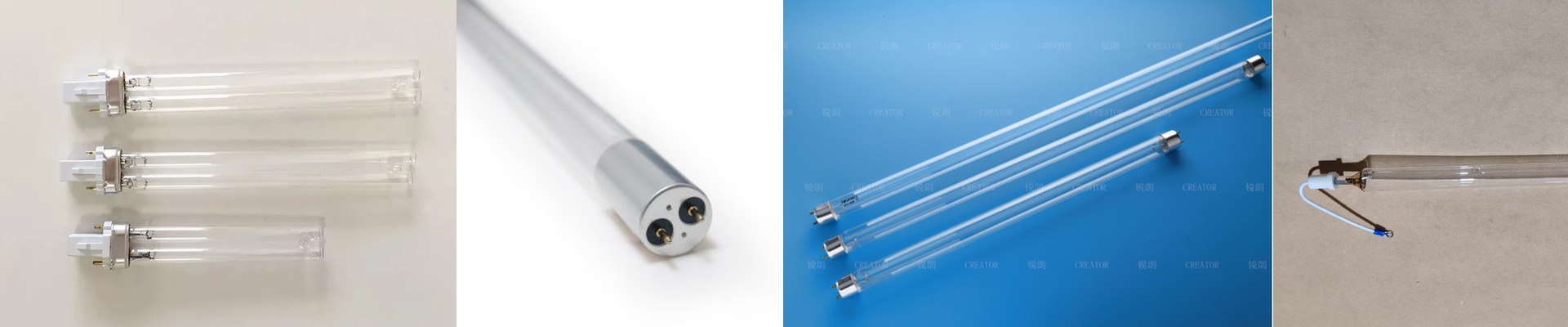
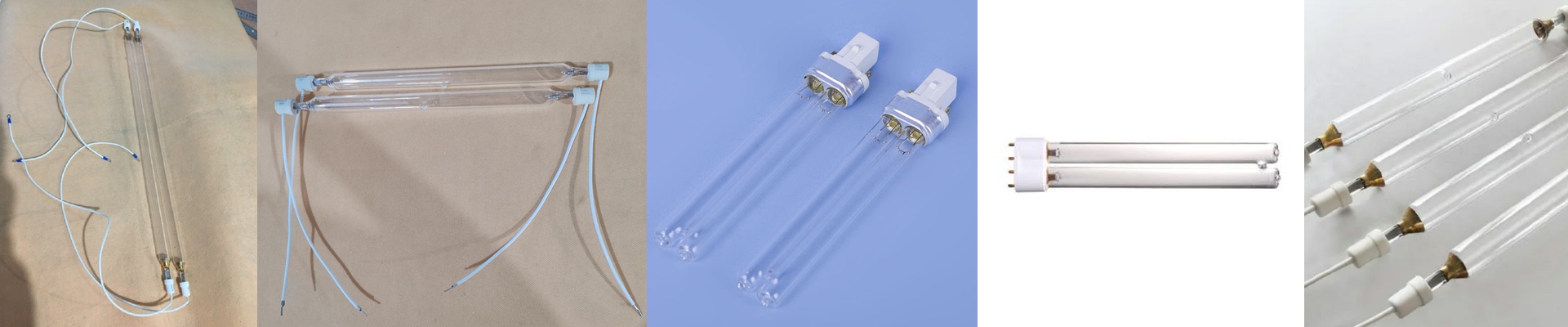
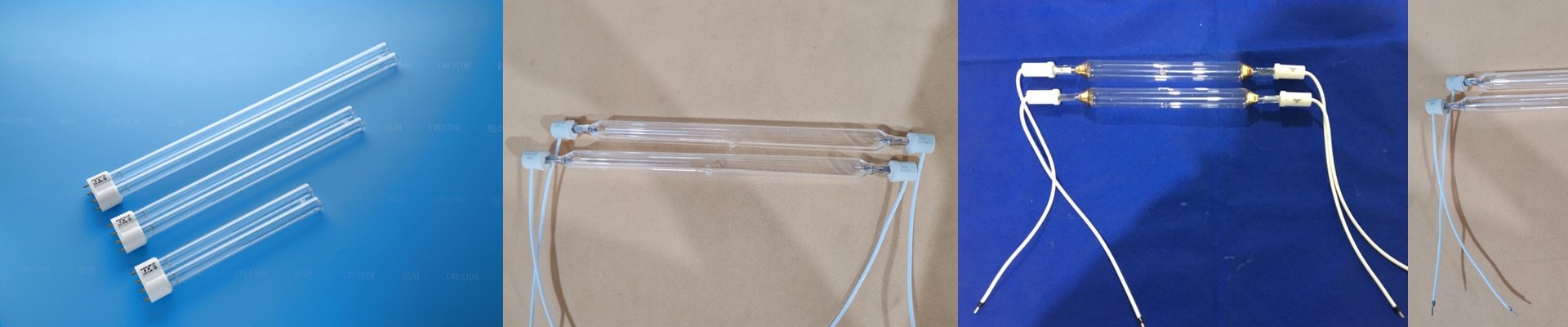

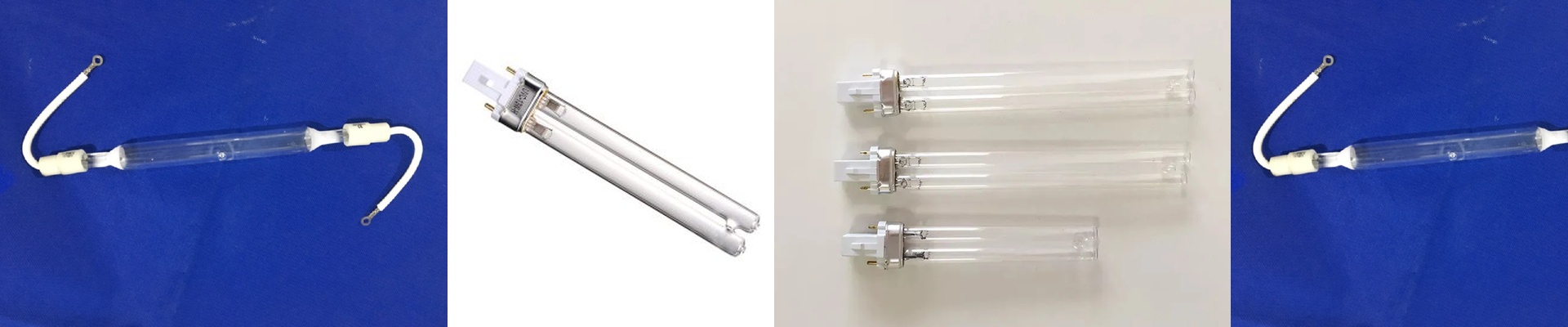
On a line that runs continuous sterilization, the lamp isn’t just a piece of hardware. It’s a thermal switch. Open the shutter, and it has to deliver a stable germicidal dose, every time. Close it, and it has to shed heat fast enough to avoid thermal runaway before the next cycle. If it can’t do both, the process drags—either you wait for temperatures to settle, or you live with inconsistent output. The bottleneck usually isn’t the UV power supply. It’s the cathode.
What actually matters under the hood
In sterilization lamps, the cathode controls ignition behavior, arc stability, and how quickly the electrode gets back to a repeatable operating temperature after a burst. A conventional cathode design holds heat in its mass. That stored heat gives you a long thermal tail, which forces the system to pause between pulses. In high-cycle operation—think tens of thousands of rapid “flash” events—you end up with drift: the lamp starts cooler, runs hotter, and the spectral output varies across the batch. A low thermal inertia cathode changes the physics. You reduce electrode mass in the critical current path and improve heat dissipation into the lamp envelope and support structure. The payoff shows up in two practical numbers:
- Thermal recovery time: how long it takes the arc channel to stabilize after a high-current pulse. Less mass and better heat spreading shrink that window.
- Ignition repeatability: if the electrode temperature is consistent at each strike, starting voltage and arc impedance stay consistent. For germicidal effectiveness, the lamp has to hold stable output around the 254 nm mercury line. That stability comes from stable plasma conditions. A cathode that heats and cools predictably keeps discharge geometry steady, which keeps irradiance steady. We tune cathode geometry and alloy selection to survive repeated thermal shock without accelerating end-of-life mechanisms—specifically, without excessive sputtering, end-of-life blackening, or tungsten migration that chews up lamp life. The point isn’t marketing language. It’s repeatable performance across the duty cycle.
Why this matters in high-throughput sterilization
High-throughput sterilization is a high-cycle application. The lamp turns on and off, or pulses at high frequency, tens of thousands of times. In many systems, each cycle is a flash: hit the required irradiance fast, deliver the dose, then reset for the next one. If the lamp has high thermal inertia, the first pulses in a run come out cooler because the electrodes are cold. After a few pulses, the electrodes retain heat and irradiance climbs. You’re chasing a moving target. Compensate by adding safety margin—higher power, longer dwell—or accept dose variability. A low thermal inertia cathode cuts that drift. It lets the lamp return to a repeatable temperature faster between pulses, so the first pulse and the thousandth are much closer in irradiance. That translates directly into:
- Process consistency: dose variation narrows over the run, so you see fewer rejects and less rework.
- Higher cycle rates: you can sustain rapid flash operation without waiting around for thermal stabilization.
- Longer lamp life under cycling: reduced thermal stress and a more stable arc attachment lower fatigue-related failure modes. Anti-fatigue engineering is the heart of it. This isn’t about one-time peak output. It’s about holding performance across thousands of ignitions and quench events. A cathode that resists fatigue keeps the lamp inside spec longer, which means fewer replacements and less downtime.
The practical details you can’t skip
Low thermal inertia helps, but it doesn’t replace solid system design.
- Ballast and control compatibility: The lamp’s ignition and operating behavior are tied to the ballast. Use a driver that supports the required peak current and provides controlled preheat and ignition profiles. A mismatch stresses the electrode and shortens lamp life.
- Mounting and cooling: The lamp needs heat moved away from the electrode zone. Mount it securely and make sure airflow or heat sinking is adequate. If cooling is restricted, you lose the low thermal inertia advantage.
- Optical environment: Keep the lamp and reflector clean. Dust and film buildup on the envelope or reflector cut delivered irradiance and can create localized heating that hastens end-of-life.
- Ozone management: Depending on the envelope and operating conditions, 185 nm output can generate ozone. If the application needs ozone-free operation, confirm the lamp spec and make sure chamber ventilation or ozone destruction is appropriate. When the system is engineered around the lamp—matched ballast, real thermal management, and a maintenance plan—the low thermal inertia cathode delivers what the job demands: stable UV output, cycle after cycle, for the life of the lamp.