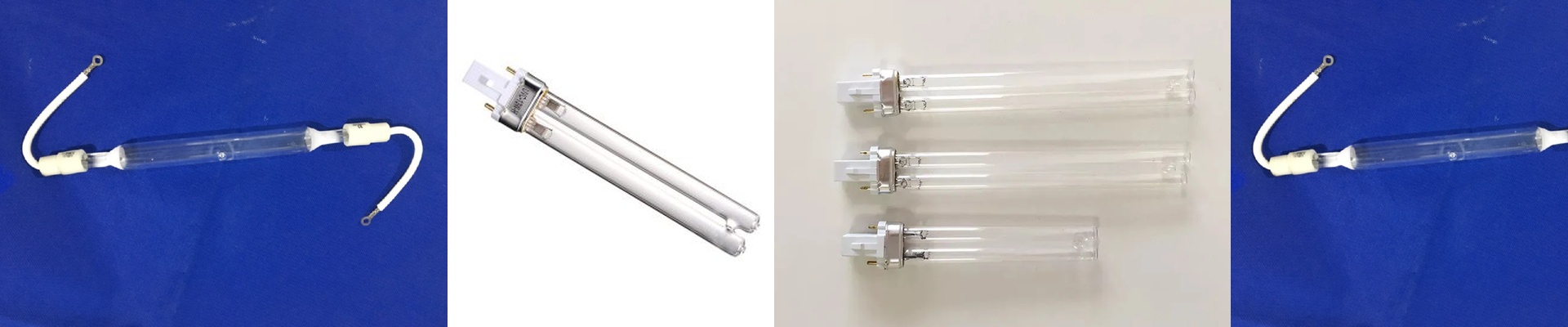
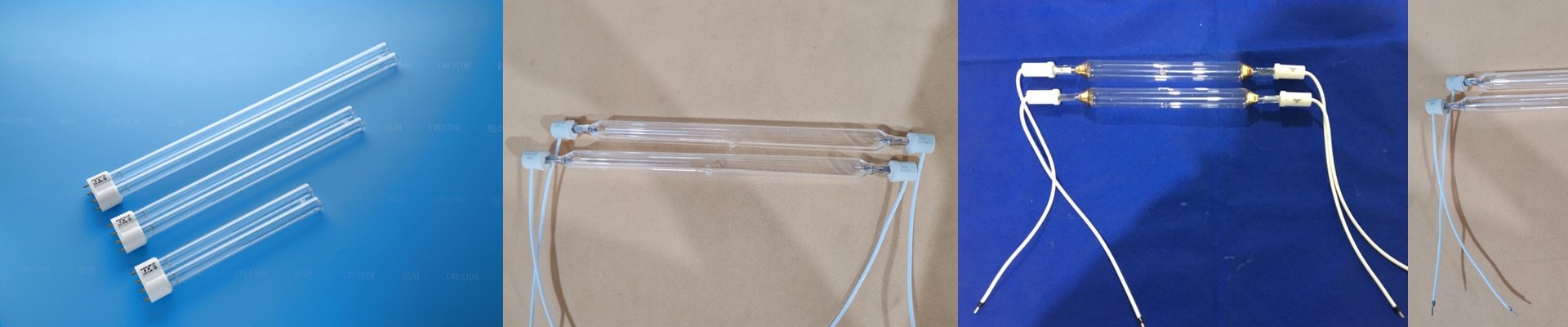
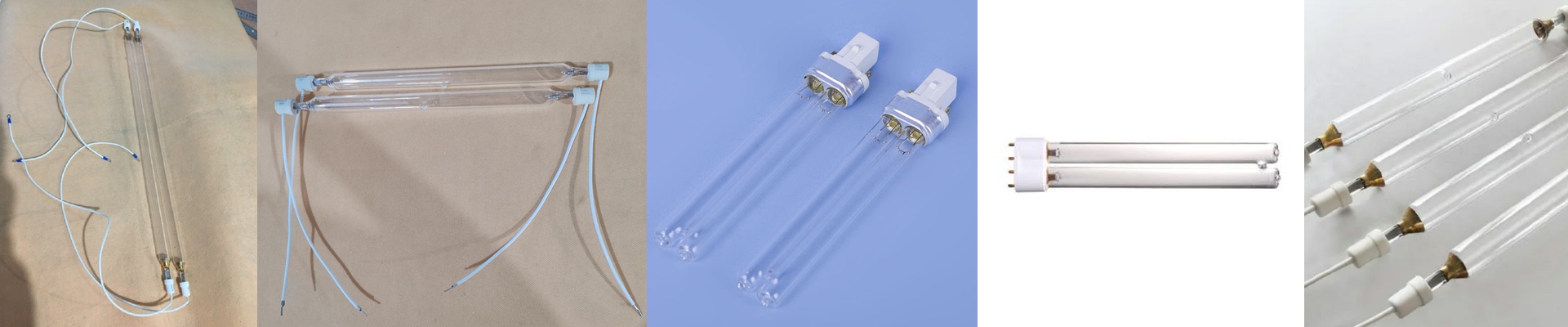

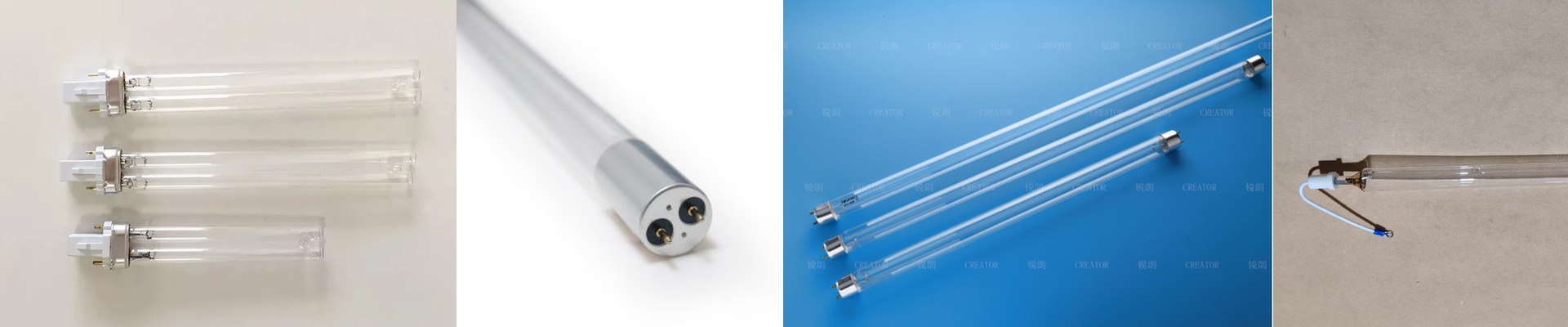
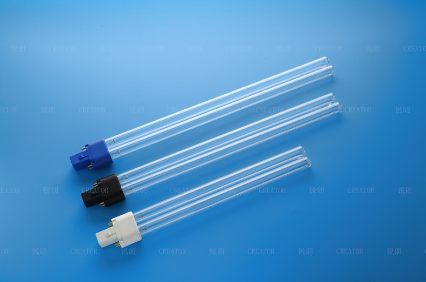
On the press floor, you measure UV curing the way it matters: mJ/cm² and peak irradiance. Marketing claims don’t cure ink. If the lamp isn’t pulling its weight, the ink stays tacky, pinholes show up, and the stack starts cooking. For wholesale buyers running a private label, the only way to stay ahead is to specify lamp chemistry and optics that match your ink system—then handle ozone at the source, not after the fact. What matters, technically We set the arc to match the photoinitiator window your ink relies on, keeping output stable at 365nm, 385nm, or 405nm. Peak irradiance gets dialed to hit the required energy density across the whole web, not just down the centerline. Reflectors use dichroic coatings to shape the spectral output and cut wasted IR. The quartz envelope and tungsten electrodes are picked so output stays consistent across the full lamp life. Ozone is managed by controlling short-wave UV leakage and choosing ozone-free quartz grades. The payoff: lower chamber loading, less odor, and ventilation that doesn’t have to work overtime. Why this works in practice With our OEM approach, you define the performance envelope—wattage, arc length, connector, and spectral profile—and we build to it under your brand authorization. That means fewer lamp swaps, repeatable cure on lamination-ready substrates, and stable cure even when you push speed. Energy use drops because the system delivers the right photon flux. Downtime drops because lamp-to-lamp variation is minimized. Things to keep straight Ozone control only works when the lamp, reflector, and airflow are matched as a system. Retrofitting an existing hood can undercut effectiveness if chamber sealing or exhaust rate isn’t up to spec. Specify the full printer interface—voltage, connector, and mounting—early. And confirm reflector geometry before you lock in the lamp length.