
Introduction
I’ll tell you what we learned after spending time in over 3,000 printing plants: production doesn’t stop just because a lamp needs changing. That’s why we built Mercury UV lamps around one simple truth—keep the press running. These lamps are all about stable output, even when you’re running at top speed. So instead of waiting around for a warm-up or a replacement, you just keep going.
The Power Behind the Curing
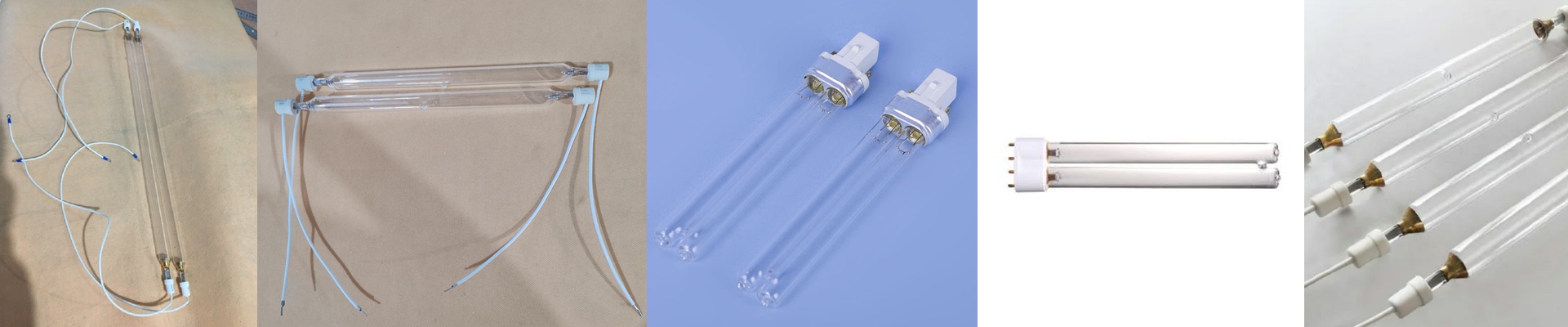
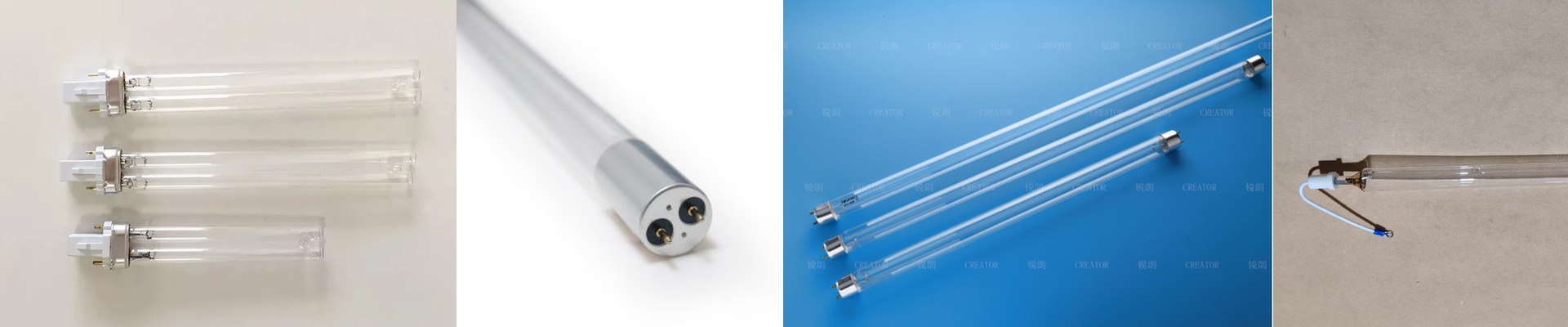
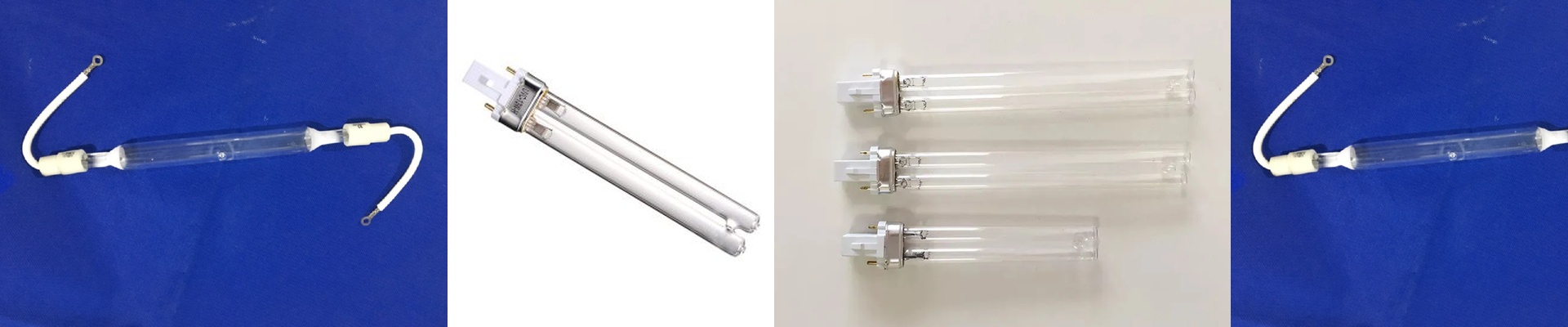
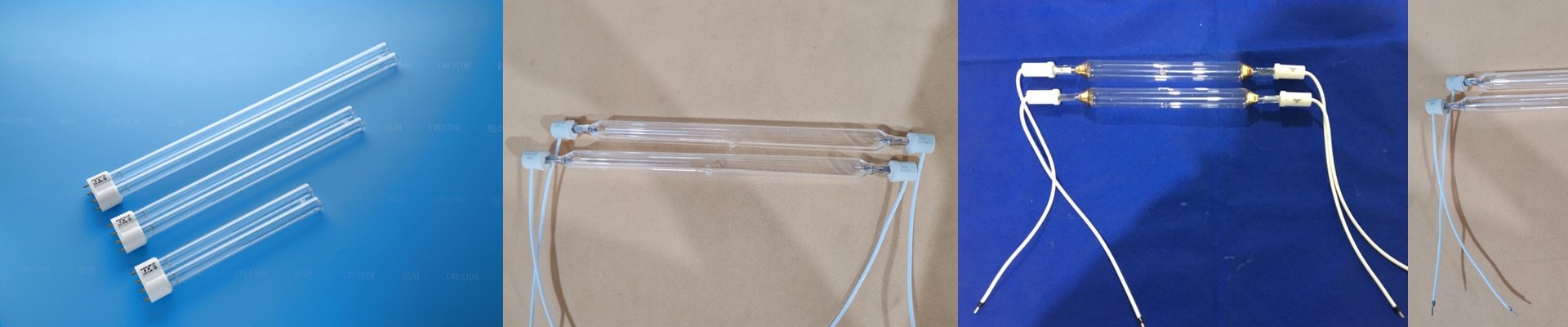
Here’s the thing—these lamps weren’t built for a quiet lab bench. They were built for the real world of industrial curing. We went with a 400V high-voltage design. That means reliable ignition and a steady arc, even when the lamp gets cycled on and off all day long. The wattage is matched to the tube length, so the energy stays consistent across the whole active area. And the length? We made sure it fits right into the spots you already use—like the common 300mm footprint. So you can swap lamps without reworking the reflector or housing. Fast changeover. Minimal downtime.
What’s Inside Makes All the Difference
To get that strong mercury UV output, you need a body that can take the heat. And the shock. That’s why we use quartz envelopes—they handle high temperatures and deliver consistent UV transmission. We also put a coating on the tube to control the spectrum and keep the arc stable. That means your cure results stay the same, shift after shift. For the connectors, we chose R7s because they lock in clean and carry the current without creating hot spots. The result? A lamp that can take a beating on the line and still fire up when you need it.
Built for the Printing Plant Grind
In printing, the lamp is never just a lamp. It’s part of a system—reflectors, airflow, and drive speed all play their part. So we designed these to start fast, stay steady over long runs, and be easy to swap out. That means you get consistent curing on inks and coatings, with far fewer rejects caused by the lamp drifting over time. Just remember—high power density means you need to make sure your cooling and shielding are up to the task. Treat the lamp as part of your thermal setup, and it’ll be the reliable workhorse you need.