
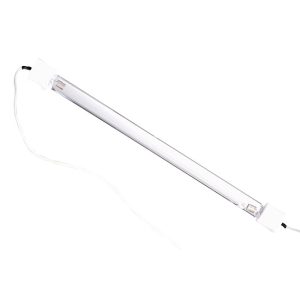
Moving Toward Zero-Pollution UV Curing
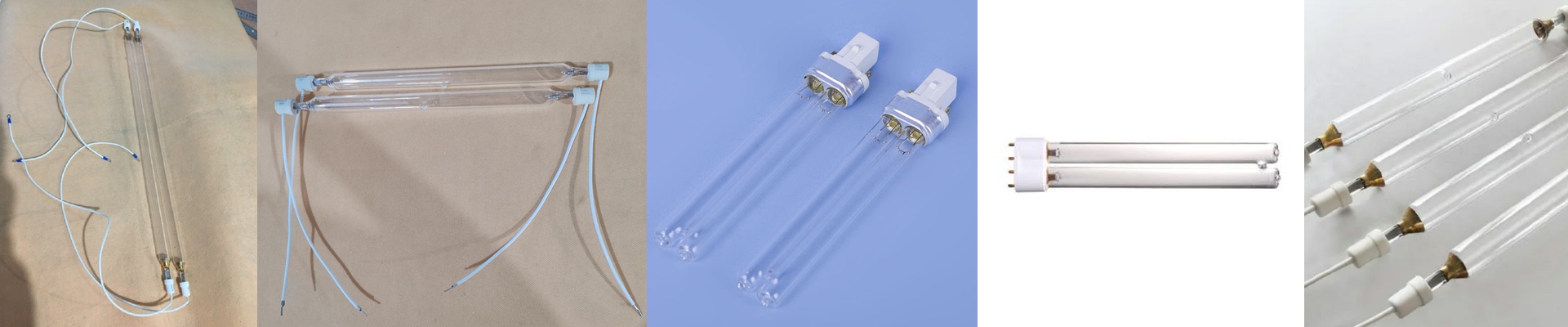
We’re changing how we handle UV lamp design. The goal is simple: get rid of the nasty stuff and make things last longer. For the engineers out there building new curing lines, you want something you can just slide in that hits all the environmental marks without losing any power.
The Stuff Inside
Let’s be honest—the old mercury-vapor lamps are a headache. We’re moving away from those and using high-purity quartz and eco-friendly materials instead. Why? Because nobody wants to deal with toxic leaks when a lamp finally gives out. We’ve also tweaked the gas fills and filaments to squeeze every bit of life out of the bulb. It means you aren’t swapping lamps every five minutes. That’s less waste in the trash and, more importantly, less time with your machines sitting idle.
Built to Actually Last
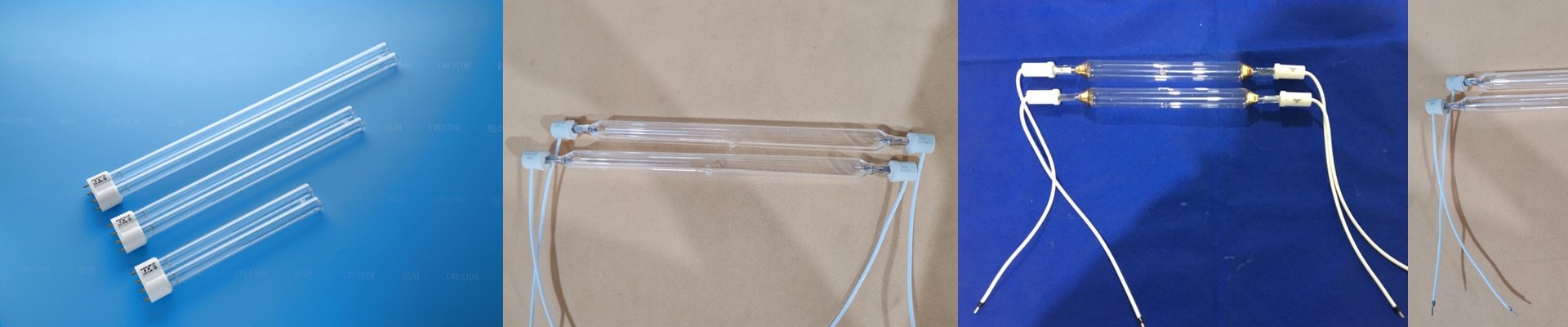
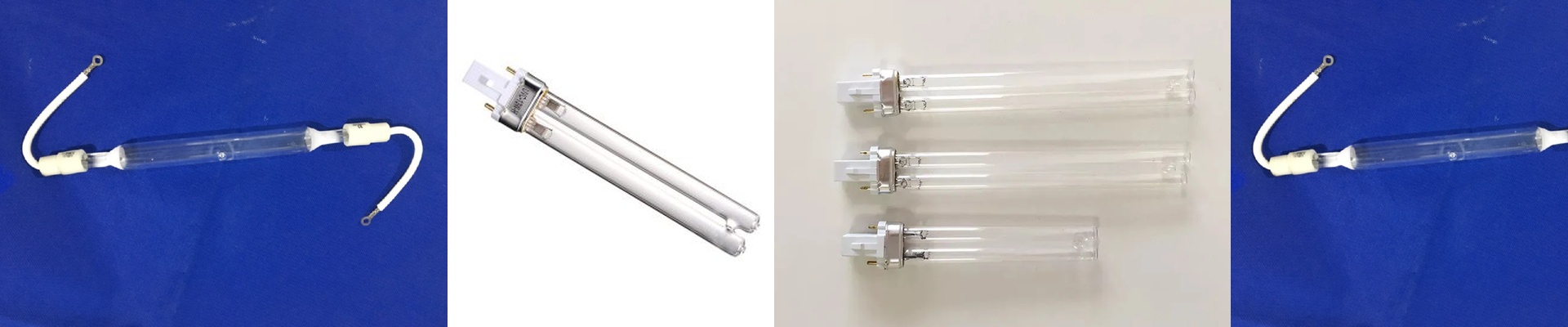
When we design these, we spend a lot of time thinking about heat. Heat is the silent killer of UV lamps. If the housing doesn’t breathe, the lamp dies. Period. So, we build housings that keep things cool. We also know you don’t want to spend your weekend hunting for weird adapters. We offer a bunch of connector options so you can plug straight into your current ballast and get back to work. Now, I won’t tell you these lamps last forever. That’s a lie. If you want high intensity, the electrodes are going to wear down eventually. But by stabilizing the voltage and beefing up the seals, we’ve pushed that breaking point much further down the road.
Real-World Use
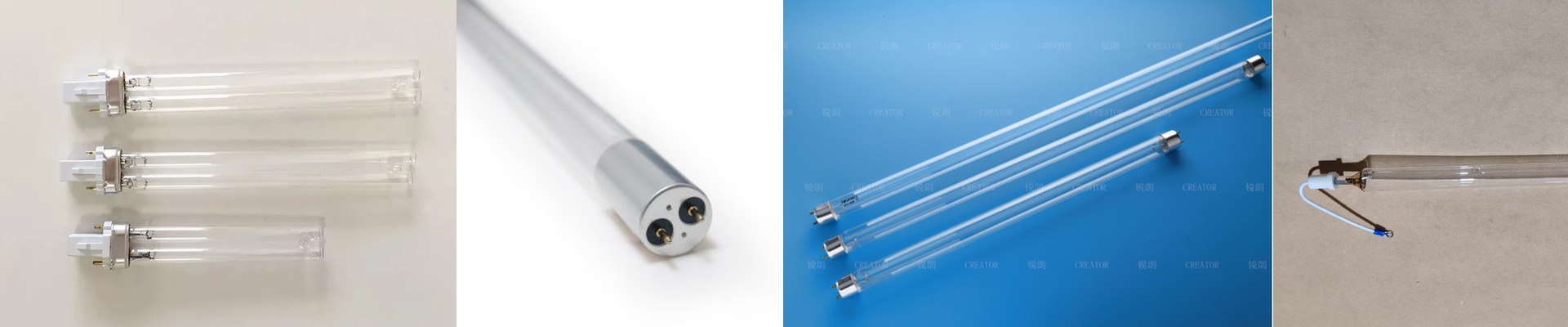
Whether you’re doing PET blowing, curing adhesives, or running a coating line, these just work. The UV output stays steady; it doesn’t just dive off a cliff as the lamp ages. If you’re scaling up, you need gear that can take a beating. These are built for the noise, the vibration, and the constant heating and cooling of a real factory floor. Just do me a favor: double-check that your cooling fans can handle the wattage. If you starve the lamp of air, it’ll burn out way too fast.