
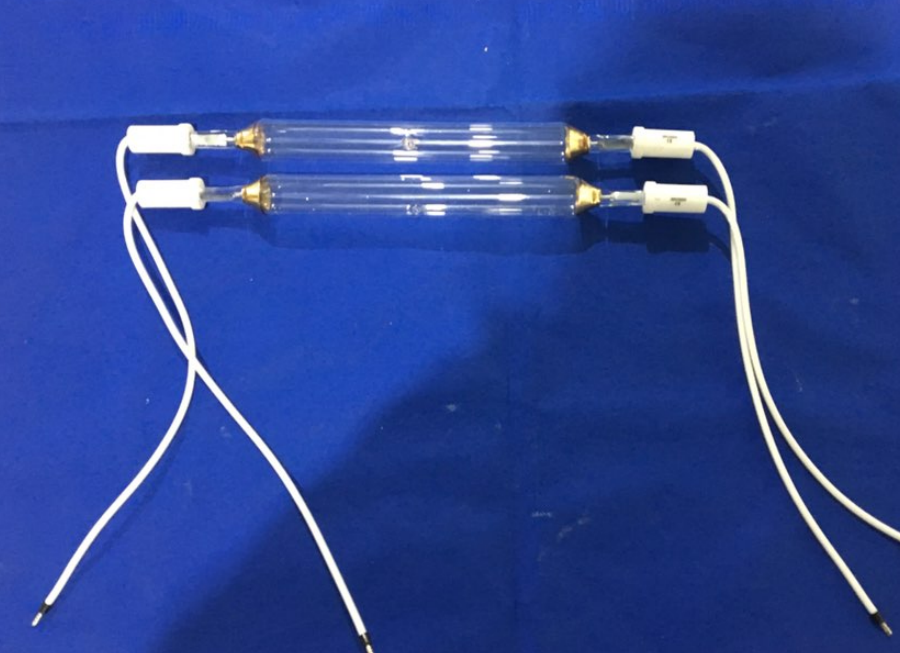
Getting the Wavelength Right: The Secret to UV Lamps That Actually Work
When it comes to killing germs with UV light, precision is everything. We spend most of our time obsessing over one specific number:253.7nm. Why? Because that’s the sweet spot. It’s exactly where a microbe’s DNA is most vulnerable. If you drift even a tiny bit off that mark, the lamp stops being a precision tool and starts being a waste of electricity.
The Nitty-Gritty of Light Control
Getting that light out of the tube and into the room is harder than it looks. Standard quartz glass actually blocks a good chunk of UV-C rays. It’s like trying to shine a flashlight through a frosted window. That’s why we use high-transmittance synthetic quartz. It lets the photons fly right through. We also keep a hawk-eye on the spectral distribution in our lab. We want to kill pathogens, not waste power on UV-A or UV-B light that doesn’t do the job.
Saving Energy Without Losing Power
Here’s the thing about “energy saving.” It isn’t about just lowering the wattage—that would just make the lamp weaker. The real trick is managing the heat. We’ve tweaked the electrode materials to stop “sputtering.” If you’ve ever seen an old lamp get a dark, cloudy film on the inside of the glass, that’s sputtering. It forces the lamp to run hotter just to keep the same brightness, which kills the bulb faster. By stopping that buildup, the lamp stays bright and efficient for much longer. One quick tip:**Check your ballast.**If it isn’t tuned to these specs, you’ll deal with flickering or electrodes that burn out way too soon.
The Trade-offs You Should Know
Pushing for maximum intensity puts a lot of stress on the quartz seals. It’s a balancing act. Also, keep an eye on your ventilation. If your setup hits those 185nm secondary peaks, you’re going to produce ozone. You’ll need enough airflow to handle that, or things get uncomfortable quickly. And please, keep the operating temperature steady. If the lamp gets too hot, the mercury vapor pressure shifts. When that happens, your 253.7nm peak drifts, and you lose that surgical precision we worked so hard to get.