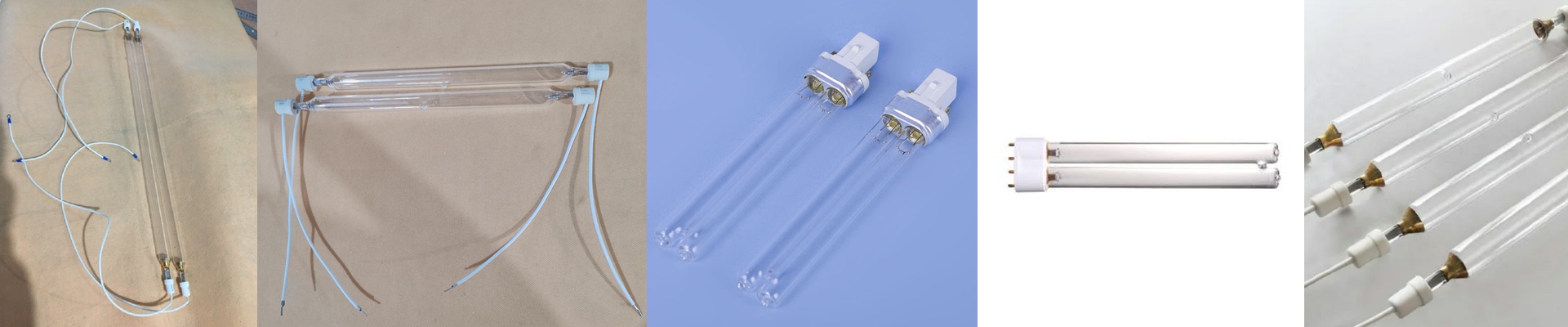
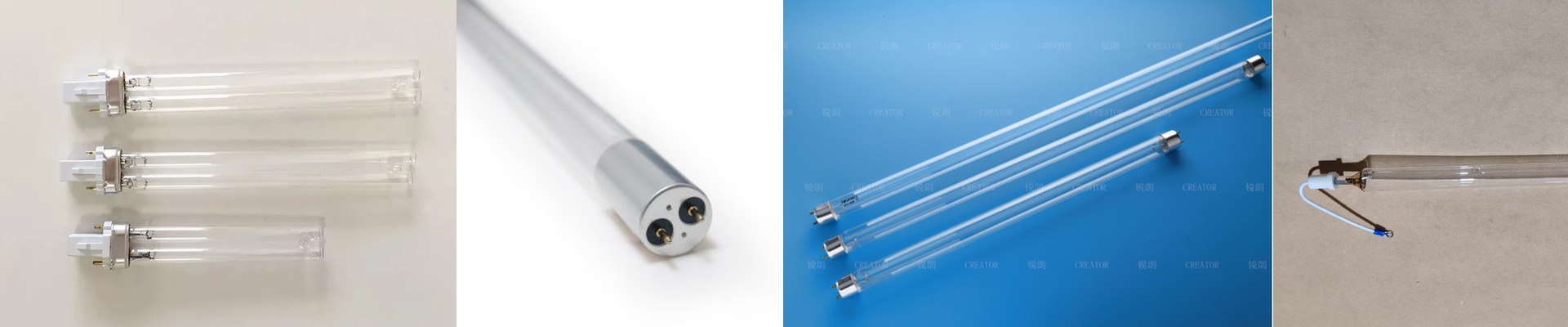
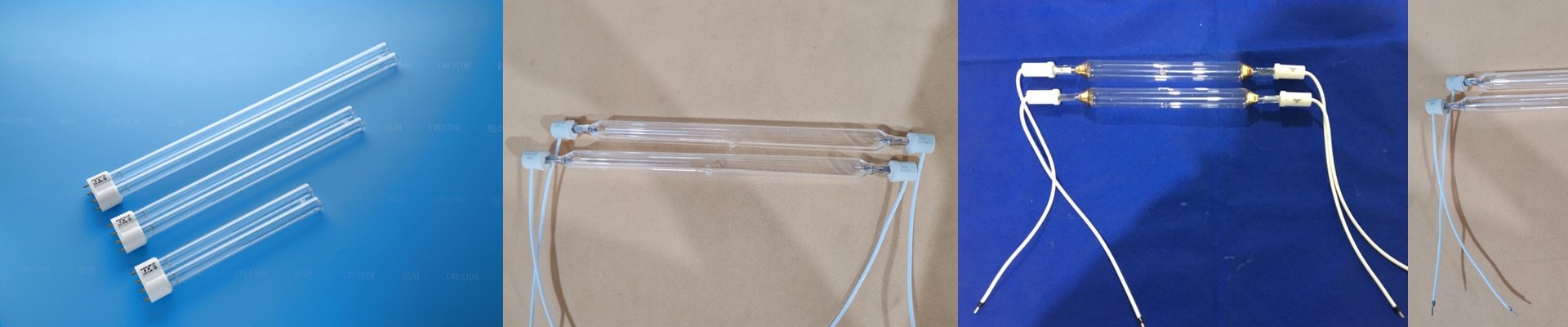
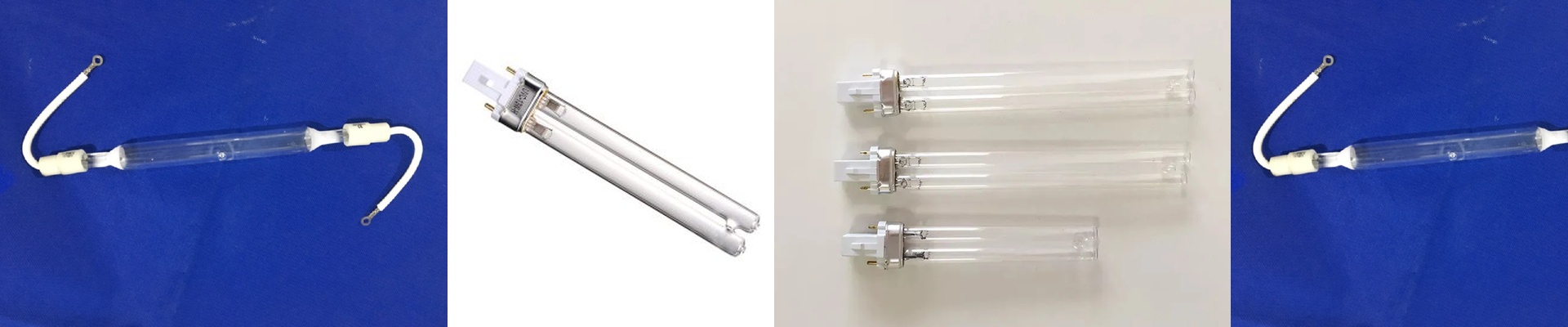

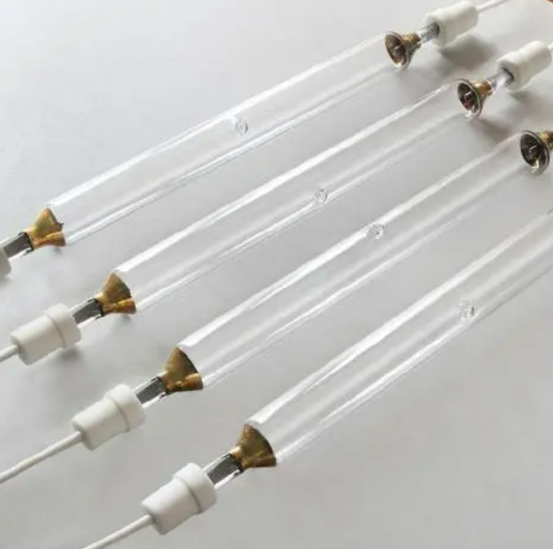
Getting the Most Out of Your 80W/cm Mercury UV Lamps
We’ve spent a lot of time walking the floors of about 3,000 different printing plants. If there’s one thing we’ve learned, it’s that UV systems usually fail in the same few ways. Most shops deal with ink that won’t dry or lamps that burn out way too fast. Usually, it’s just a mismatch between the power density and how fast the line is moving. That’s why we lean on the 80W/cm standard for mercury lamps. It just works.
Why 80W/cm?
Think of 80W/cm as the “Goldilocks” zone for UV-C and UV-B output. It’s enough punch to cure thin-film inks and coatings quickly, but it doesn’t get so hot that it warps your materials. If you crank the wattage higher, you’re risking scorched substrates. But if you drop too low? You get that annoying “tacky” feel. You know the one—where the ink looks dry, but it smudges the second you stack the sheets. The mercury vapor creates a broad spectrum of light. At 80W/cm, those photons actually get deep into the ink layer to lock everything in place.
Dealing with the Heat
Here is the catch: high-output lamps gethot. Like, really hot. You can’t just slap an 80W/cm lamp in and hope for the best. You need a real cooling plan—either forced air or water-cooled jackets. Without it, the quartz envelope overheats. That leads to “solarization,” where the glass gets cloudy and blocks the UV light, or worse, the lamp just dies prematurely. To stop that from happening, we use high-purity quartz that can handle the thermal shock without cracking. We also make sure the connectors fit tight so you don’t deal with annoying arcing at the electrodes.
Making it Work on Your Floor
The good news is these are designed to be simple drop-in replacements for your existing UV tunnels. Just a heads-up: make sure your ballast output matches the lamp’s rated voltage. If they don’t match, you’ll blow the filament and be right back where you started. When you’re setting up your line, just keep an eye on the “dwell time”—basically, how many seconds your product actually spends under the light. Match that timing with the 80W/cm output, and your ink will be bone-dry by the time it hits the conveyor belt.