
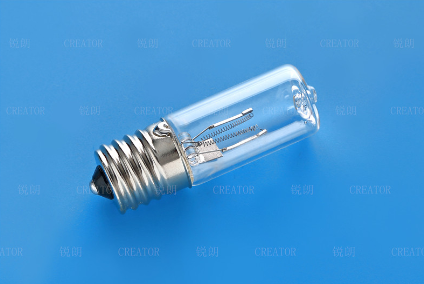
On the floor, a UV line doesn’t forgive hesitation. When lamp output drifts or energy delivery gets inconsistent, you feel it fast—ink that won’t cure, adhesion that falls apart, and the very real risk of microbial contamination in packaging and medical parts. The smart move now isn’t chasing intensity; it’s performance you can measure, log, and verify from anywhere.
What matters under the hood
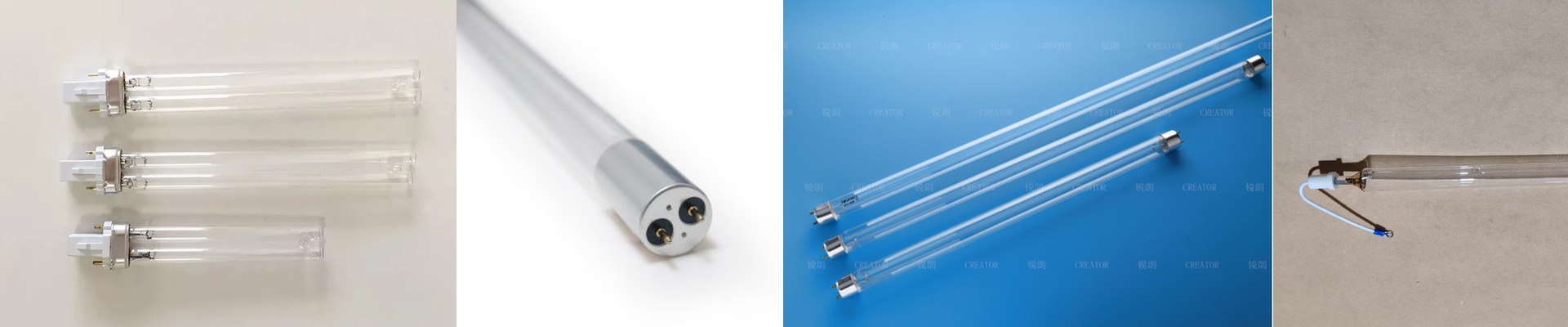
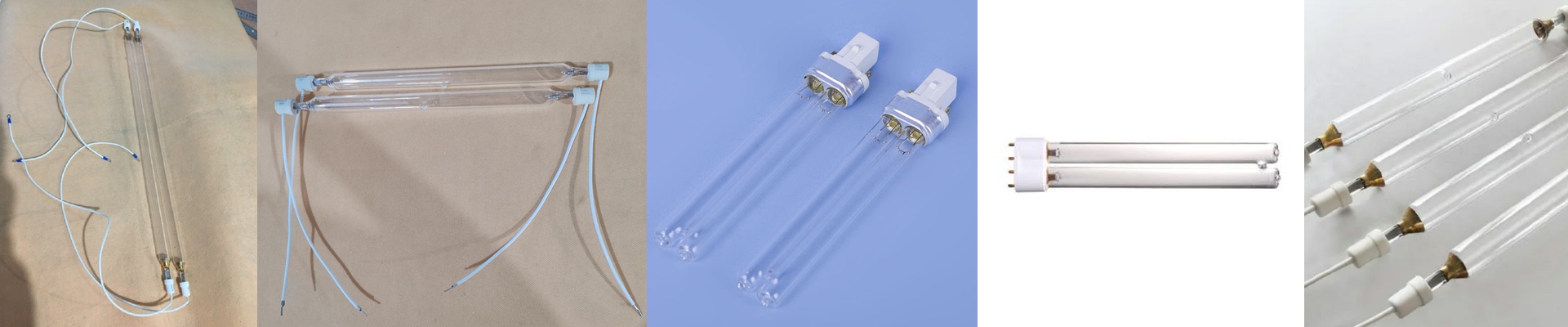
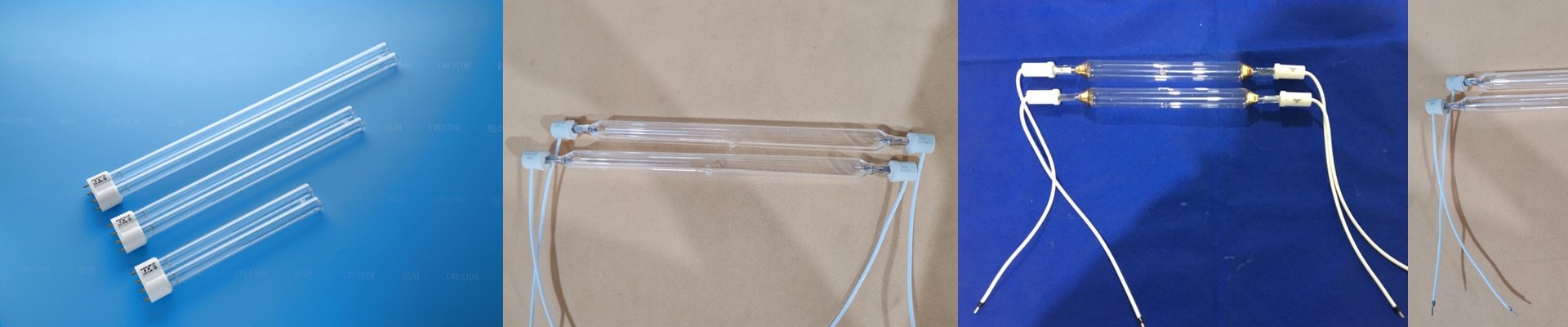
Osram UV sterilization bulbs hold a steady germicidal output centered at 254nm—the wavelength that maximizes absorption into microbial DNA/RNA. In industrial finishing, that spectral purity keeps the energy focused on photoinitiator activation, without wasting photons on the wrong wavelengths. On curing and surface treatment systems, the lamp delivers repeatable peak irradiance across the target zone, so you can hit predictable energy density (mJ/cm²) at the substrate. The quartz envelope gives you high transmission in the germicidal band, and the lamp is built for consistent ignition and stable arc behavior. In practice, that means your process window stays tight instead of drifting on you mid-run.
Why it holds up on a real line
If your line is expected to be remote energy monitoring ready, the components have to report clean and behave predictably. Paired with the right instrumentation, these bulbs keep spectral output stable, which cuts down the kind of hidden drift that throws off curing and sterilization margins. Stable 254nm output helps maintain microbial kill rates without overexposing heat-sensitive substrates. In UV curing workflows, it keeps photoinitiator activation uniform, so cross-linking stays consistent. The payoff is fewer speed cuts, fewer rejects, and repeatability you can count on cycle after cycle.
The details that bite you if you ignore them
These bulbs are ozone-free, but that doesn’t change the basics—UV-C is hazardous, so proper shielding and interlocks are mandatory. Remote monitoring only delivers real value when the reflector assembly is clean and aligned; otherwise the mJ/cm² you think you’re getting at the web or surface is optimistic. Before you swap in, verify fixture compatibility—base, arc length, and thermal envelope. And confirm ballast matching, or you’ll invite premature end-of-life and spectral instability.