
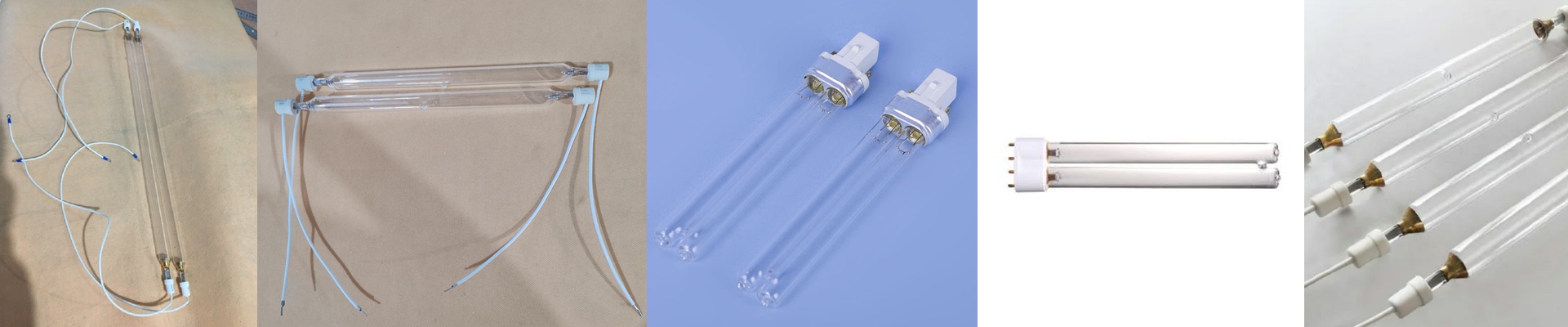
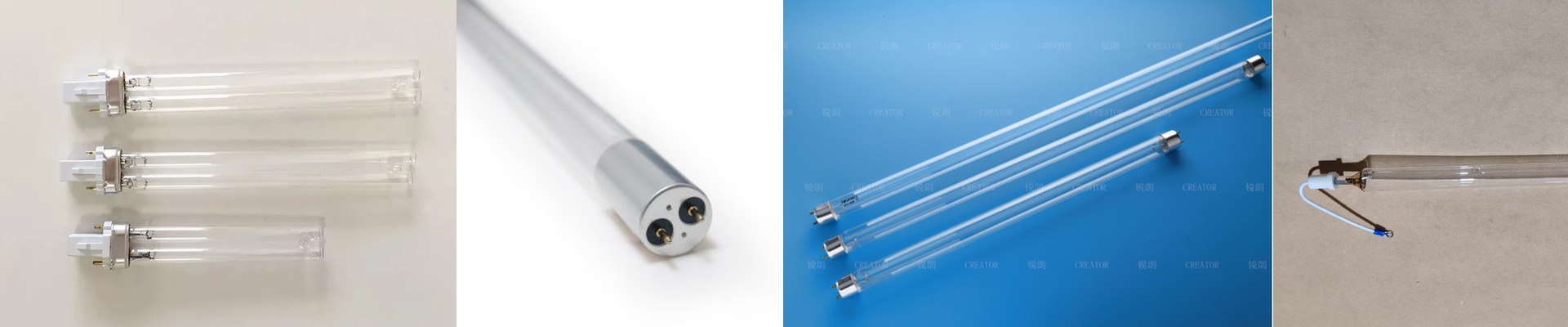
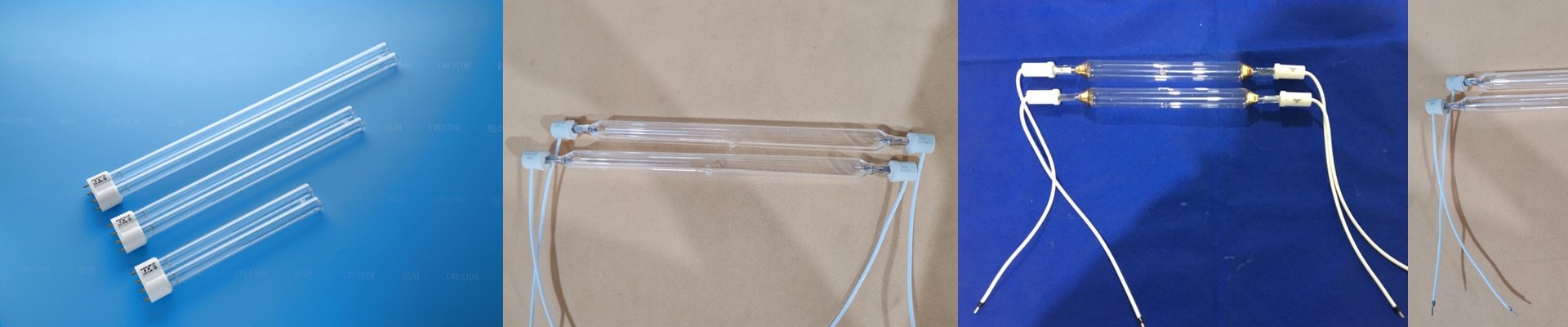
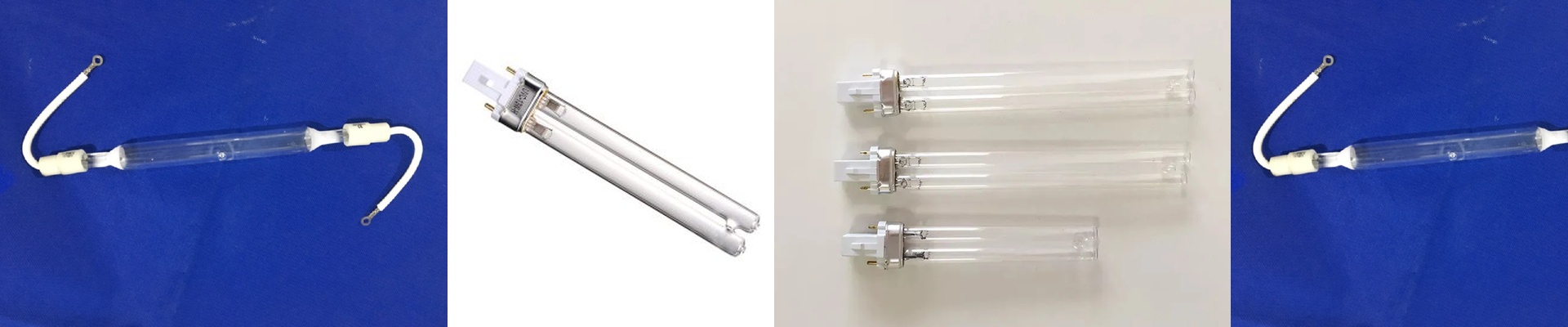
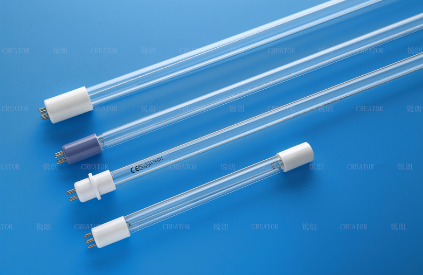
On export-oriented, fully automatic offset/flexo/screen lines, uptime and repeatability are the whole game. High-pressure mercury lamps give you broad-spectrum output, sure, but they also drag in heat, ozone, lamp-life drift, and plenty of maintenance. Every one of those is a direct hit to OEE. We build CE-certified UV curing units as true original-equipment replacements. They slot into the machine builder’s electrical envelope, cooling layout, and safety interlocks the way the line was designed—no improvising. What matters under the hood We swap mercury vapor for LED-UV modules, tuned to 365nm, 385nm, or 405nm to match the photoinitiator absorption and the ink film thickness you’re running. Peak irradiance is specified right at the emitting surface, and curing energy density is delivered in mJ/cm² so cross-linking stays repeatable. Optics use dichroic-coated reflectors to keep spectral spill in check and pull more power into the cure. Instant-on kills warm-up drift, and output stays stable over 10,000+ hours with controlled decay. The system runs ozone-free and is built for 24/7 duty cycles. Why it fits the way you run If you’re a machine builder shipping complete presses, CE certification takes a lot of compliance pressure off and lowers end-user risk. The LED-UV platform cuts energy draw and wipes out lamp-change schedules, which means fewer spare parts and smaller service windows. Thermal management stays on the press’s existing cooling, so you keep substrate temperature within tolerance—critical for heat-sensitive films and thin foils. And because output is repeatable, you get consistent cure across full-speed runs, which trims setup waste and rework. As an OEM-ready subsystem, it arrives ready for direct integration: same footprint, predictable interface. The practical details you can’t skip LED-UV isn’t a straight plug-and-play swap for every mercury-based recipe. Ink formulation, pigment loading, and film thickness often mean re-tuning the spectral match and irradiance profile. The emitting area is fixed, so full-width cure on wide webs may require multiple modules—or a hybrid lamp/LED approach. Before you finalize the build, confirm the press voltage, connector type, and cooling capacity. Then set the optical gap to match the substrate path so you don’t get shadowing at the nip.