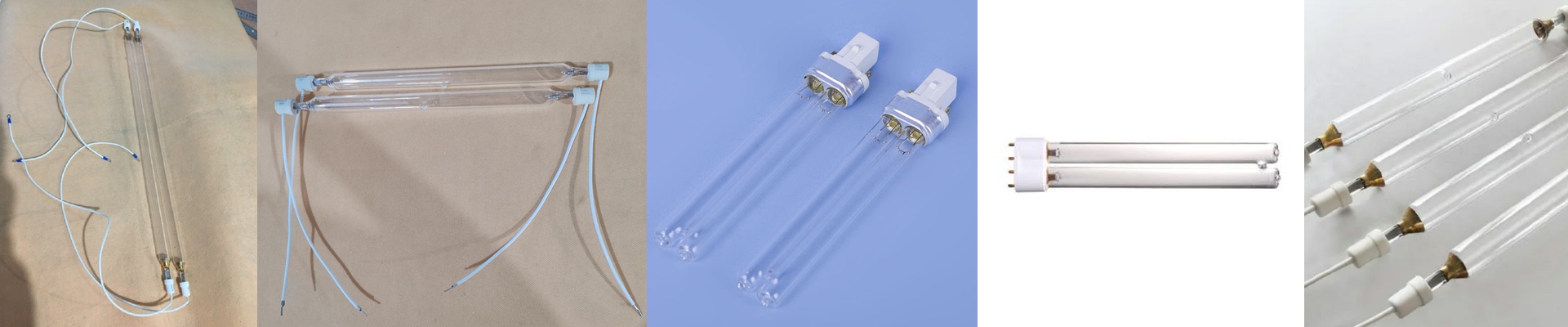
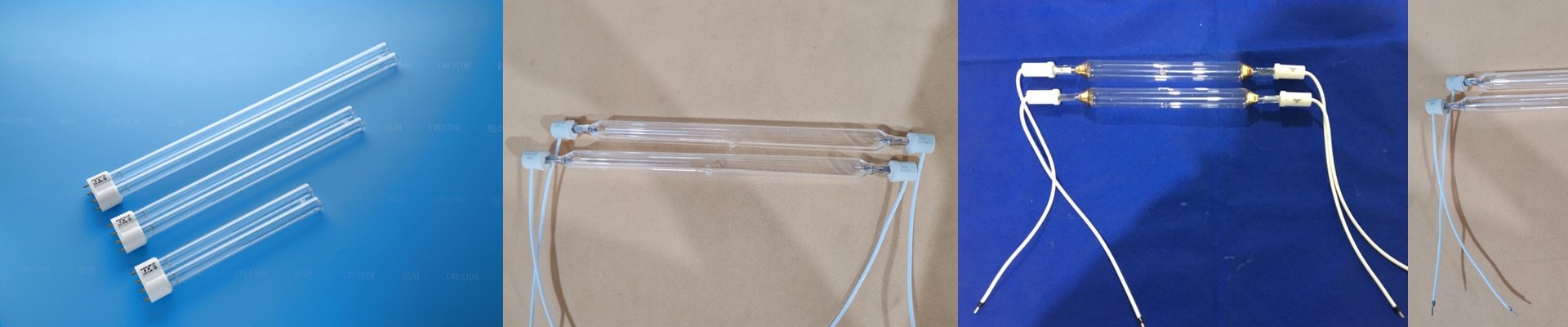
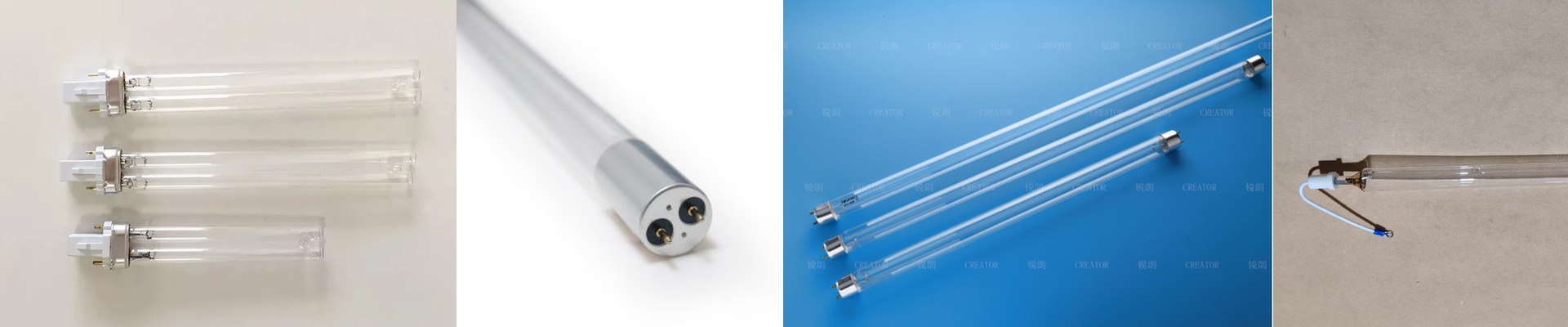

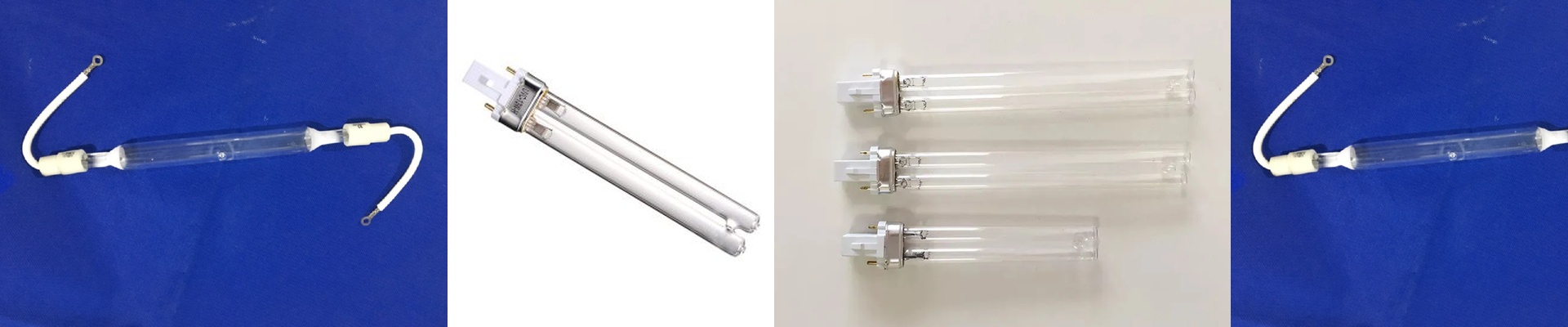
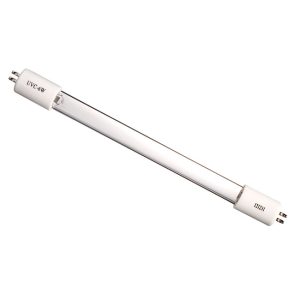
In any disinfection setup, “effective sterilization” is just talk until you back it up with measured irradiance. UVC systems don’t always fail loud—output falls off as the lamp ages, dust builds up, and line voltage drifts, yet the lamp still looks lit. If you’re not tracking intensity continuously, you’re running on hope, not data. If you want repeatable microbial inactivation, you measure the delivered dose in real time. What actually drives performance UVC disinfection comes down to dose: irradiance (mW/cm²) times exposure time. Lamp power alone doesn’t guarantee results; spectral output and reflector geometry decide how much germicidal energy actually reaches the target. Keep a stable 254nm output and a controlled beam profile, and you get repeatable photon delivery to the surface. Measure peak irradiance right at the work plane—don’t guess based on nameplate ratings. Calibrated radiometers turn the raw signal into usable dose values, compensating for warm-up drift and lamp aging. In the real world, you’re managing cycle time, coverage uniformity, and paperwork that stands up to audit. Real-time intensity monitoring turns variable conditions into a controlled process: you set the required dose, confirm it every cycle, and log it. That cuts rework, prevents under-dosing, and keeps throughput predictable. It also lets you stretch lamp life safely by watching output decay and replacing lamps based on measured performance, not guesses. A few field-tested pointers Mount the sensor in the same plane as the target and align it to the lamp’s primary irradiance direction. Reflectors, shields, and airflow can throw readings off, so check uniformity across the treated area. Make sure the radiometer’s spectral response matches the lamp output—otherwise you’re building in systematic error. Expect output to drop as the lamp ages; plan calibration intervals and keep spare sensors on hand so compliance doesn’t get interrupted.