
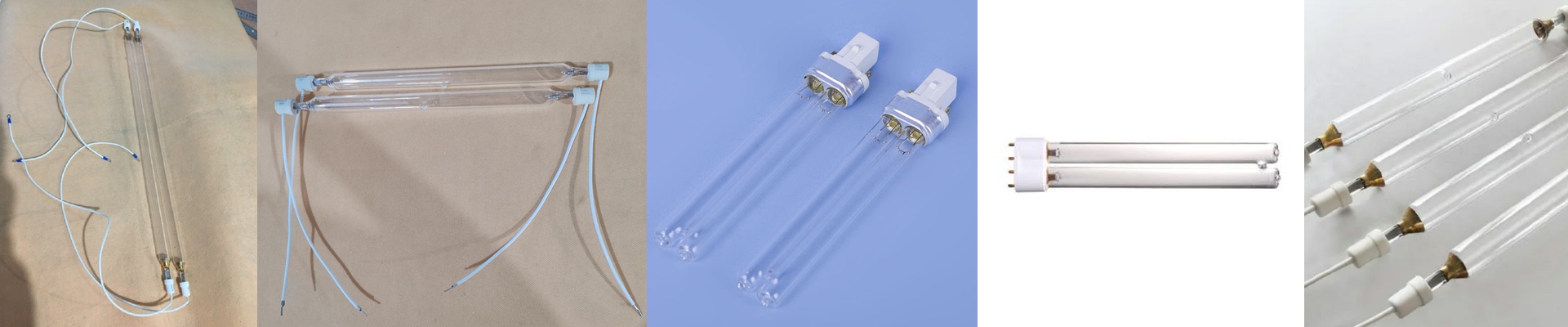
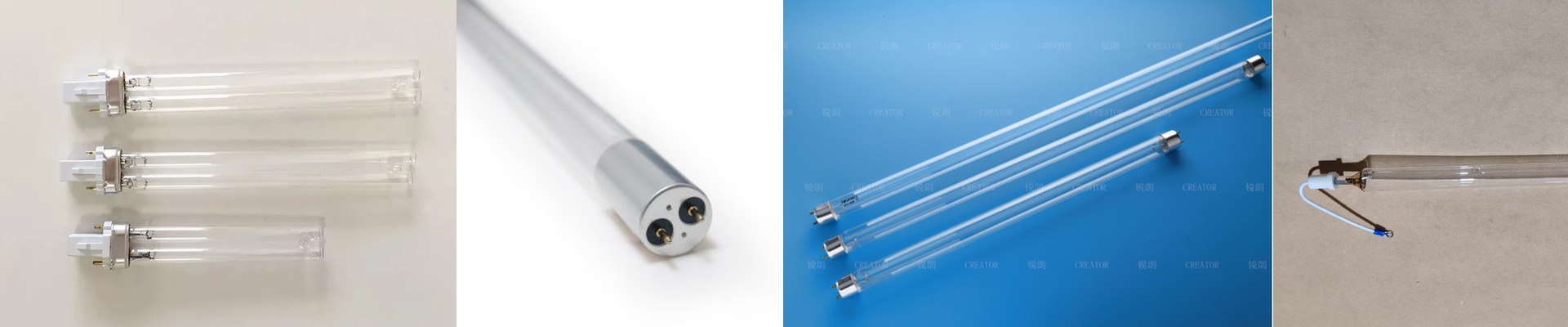
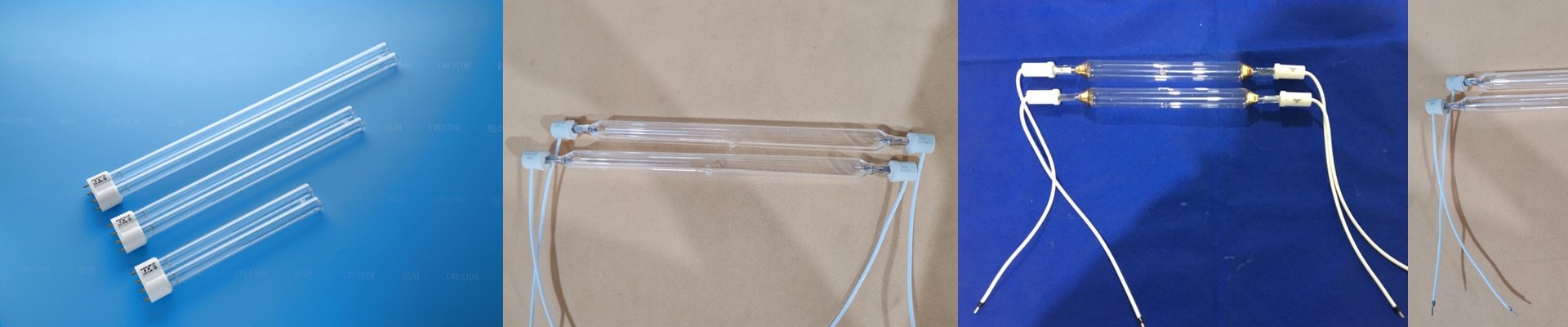
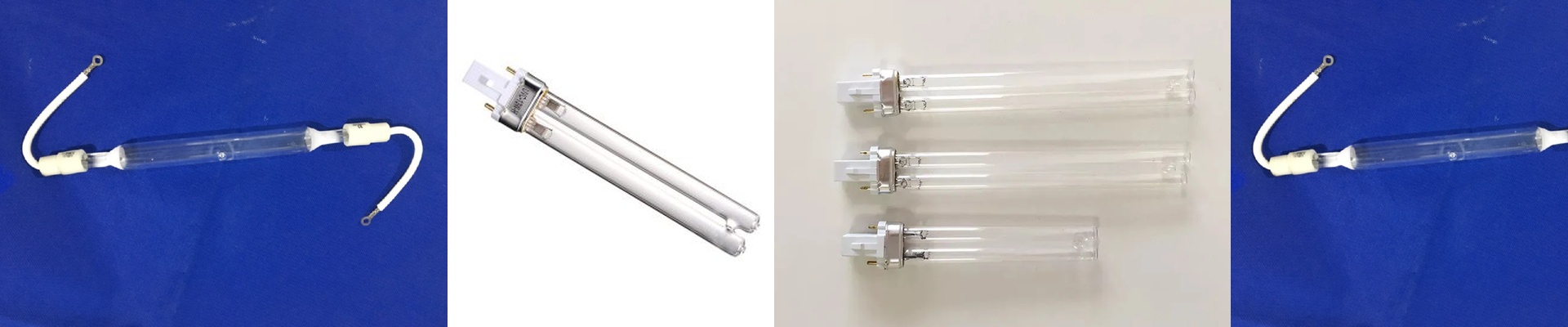
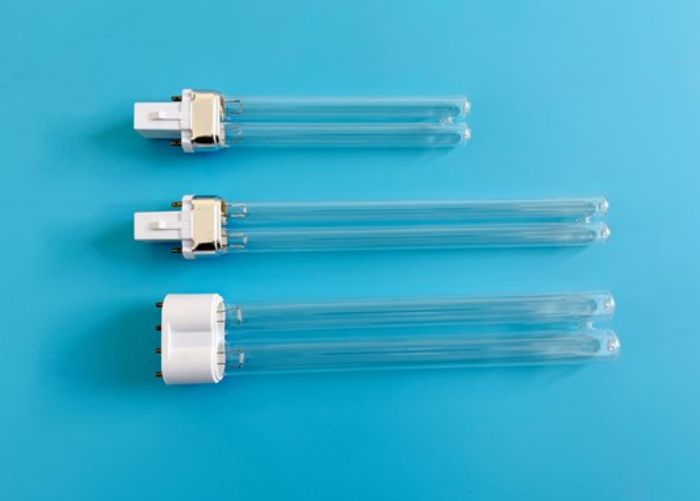
On the press floor, every sharp, clean print comes down to one thing: steady photon flux. When your high-pressure mercury vapor lamp starts to drift, the photoinitiator doesn’t respond the same way, and the cross-linking reaction falls apart. That’s why keeping up with mercury UV lamp maintenance isn’t just housekeeping—it’s process control. What matters under the hood A mercury lamp is a precision tool, not a light bulb. Its spectral output—built around 365 nm and broadband UV—has to match what the photoinitiator is tuned to absorb. Watch the ignition voltage and warm-up time; if those start drifting, the electrodes are wearing down. Use a radiometer to track output: measure light intensity and energy density in mJ/cm² right at the substrate plane. Keep the reflector clean and aligned. Drop reflectivity by 10%, and peak irradiance falls with it—cure slows, and heat builds up. Check the quartz for solarization, and watch the dichroic coatings for degradation, because that’s what shifts the spectral distribution. Why this keeps the press running In UV offset, flexo, and screen, the job is simple: deliver the photon budget that turns ink into a cured film. Good maintenance stabilizes the cure window, so you stop seeing tailing, pinholes, and adhesion loss. You hold line speeds without chasing cure deficits, and you stretch lamp life—fewer emergency changeouts, less downtime. When spectral output stays steady, photoinitiator activation is repeatable and cross-linking is predictable, shift after shift. The details that bite you Match lamp wattage and arc length to the curing module. Mismatched lamps will under-deliver irradiance and cook the system. Stay with ozone-free configurations, and verify connector integrity and cooling airflow—overheating pushes output decay faster. Expect output to fall with hours. Base preventive replacement on measured energy density trends, not the calendar. Store spare lamps sealed and dry. Moisture on the quartz envelope throws off ignition and shortens life.