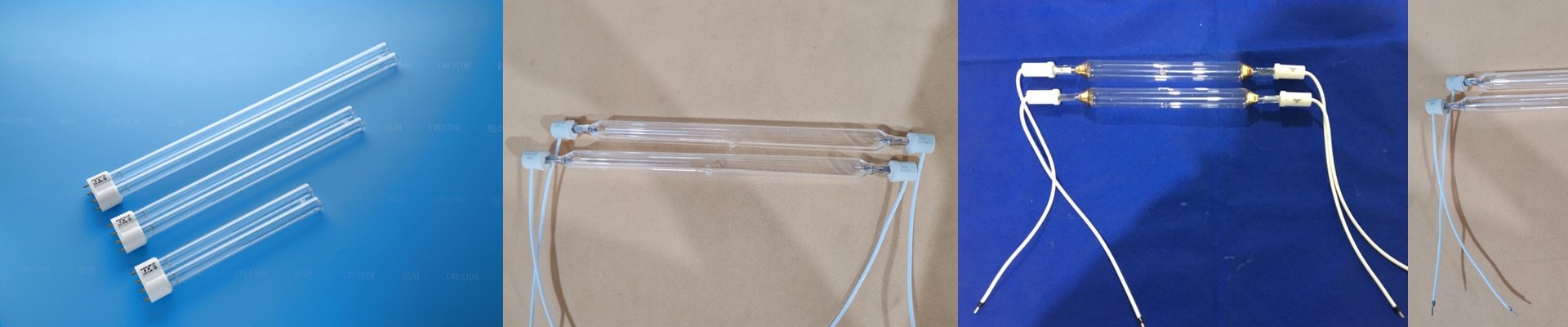
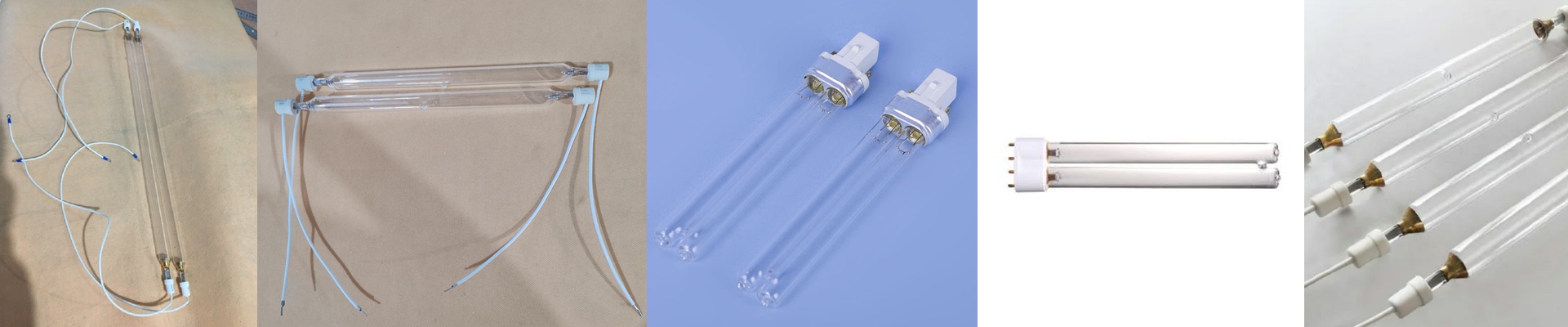
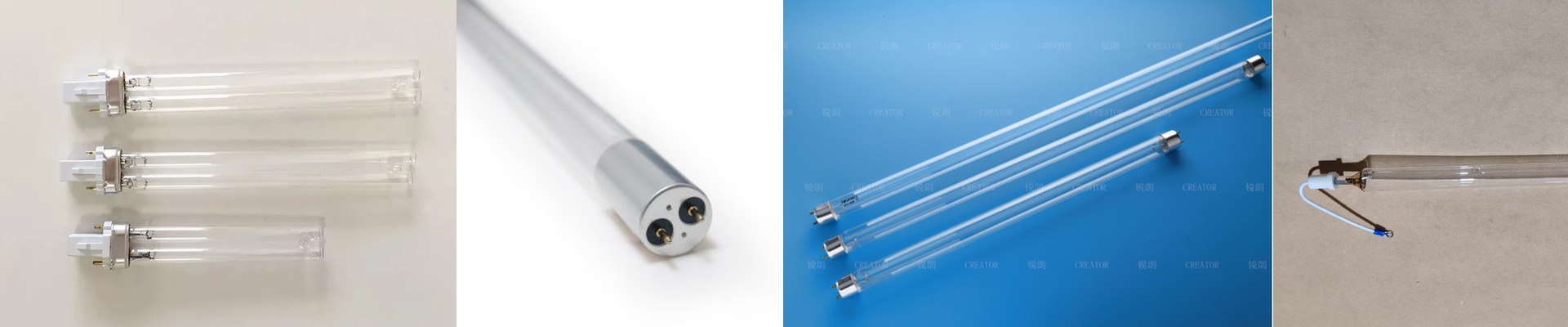
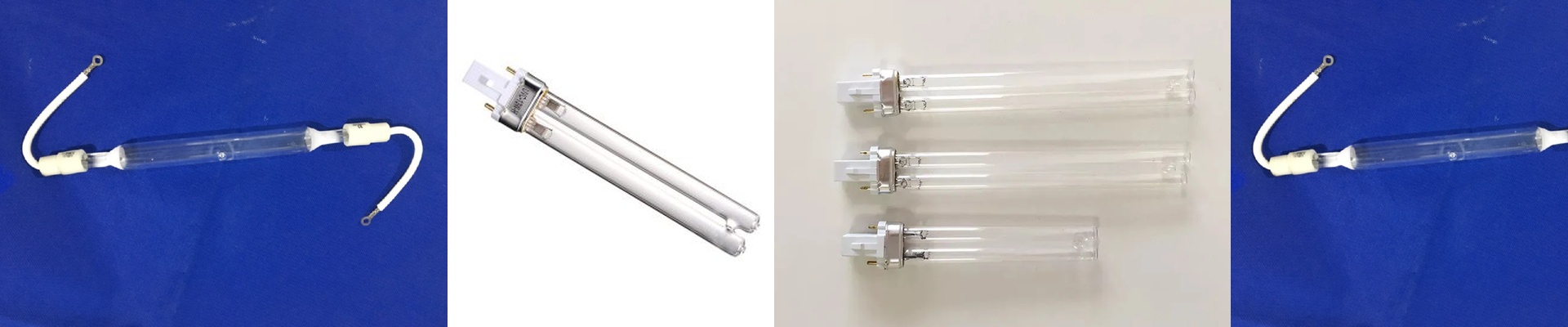

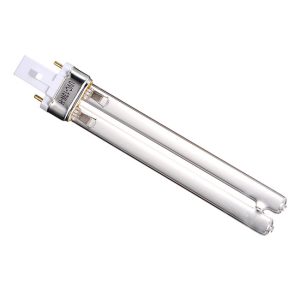
On fully automatic textile lines built for export, the only real constants are uptime and repeatability. The curing system can’t be an afterthought—it has to be treated as a core subsystem, right from the design stage. That’s why machine builders specify our CE-certified mercury UV lamps as original equipment. They deliver predictable spectral output and stable irradiance, day in and day out, on continuous duty. What matters under the hood Textile UV inks cure when the photoinitiator gets the right photon density. We match the lamp output to the ink chemistry: strong emission around 365 nm, plus a broad-band profile that drives surface cure and through-cure without cooking the substrate. Peak irradiance and energy density (mJ/cm²) are repeatable from lamp to lamp. The reflector assembly uses dichroic coatings to shape spectral reflectance and cut wasted IR. Ozone-free quartz envelopes keep the work area clean, and arc stability is tuned so lamp-to-substrate dose stays consistent even when line speed shifts. Why it holds up on the floor In high-throughput textile printing, the curing window is tight. Under-dose leaves ink tacky. Over-dose scorches fabric and wastes power. Our lamps give you the dose margin to run faster without losing adhesion or color fidelity. The payoff shows up as fewer rejects, lower energy per print, and longer intervals between lamp changes. For OEMs, the CE-marked design simplifies integration, compliance, and field service because the system behaves the same across the whole machine fleet. What to watch on install and in the field Installation is straightforward, but the lamp has to be paired to the reflector geometry and the cooling airflow profile. If you run outside the specified airflow window, lamp life drops and the spectral curve drifts. Verify the fixture voltage, connector, and shutter interface, and set the focal distance to match the printed area. Keep a calibrated radiometer on hand to monitor output, and schedule recalibration at 2,000–3,000 hours to keep the curing dose within tolerance.