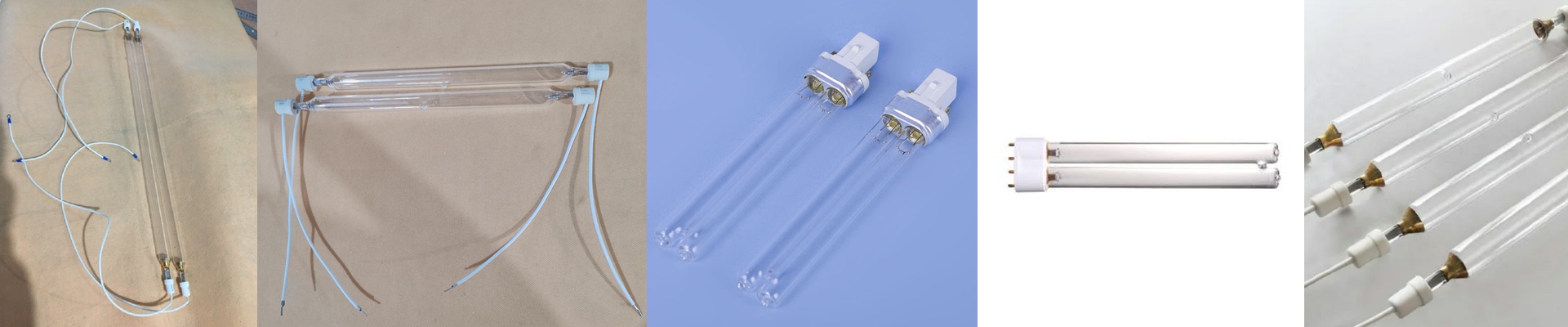
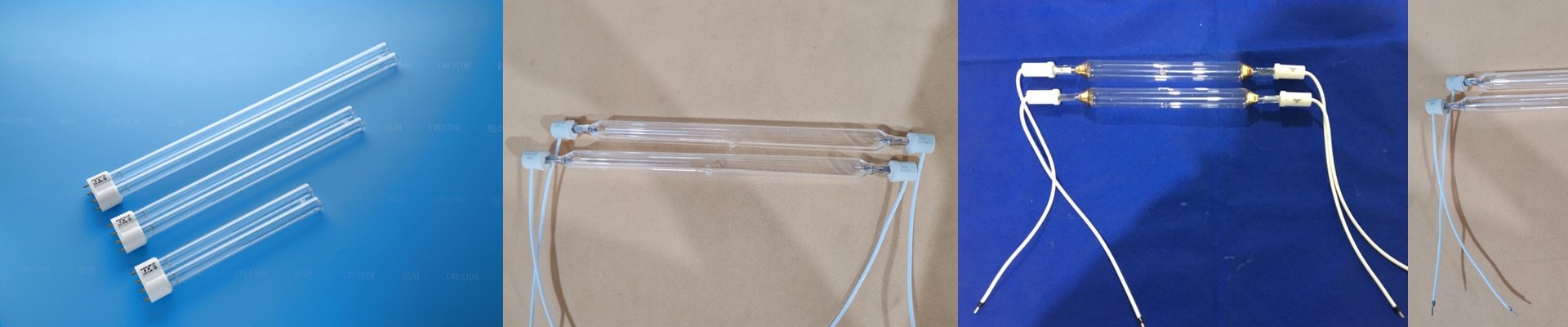

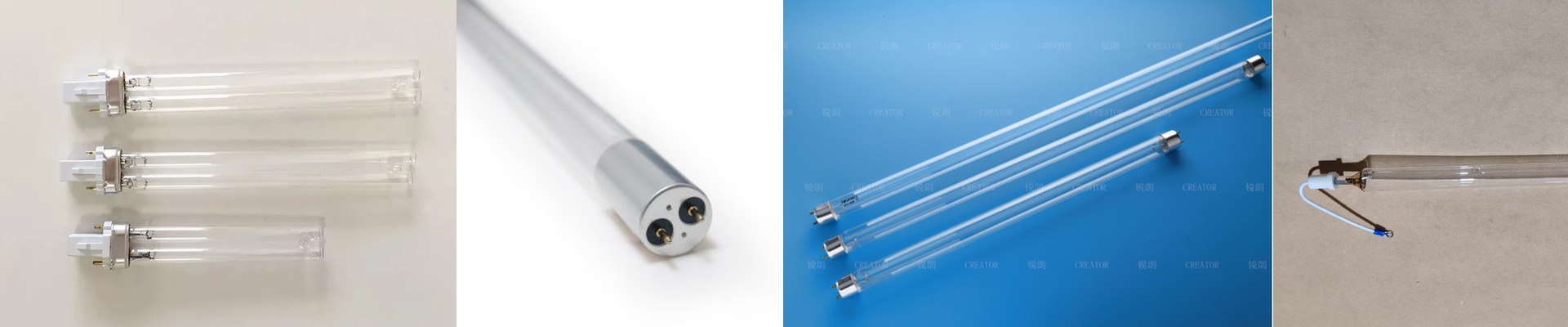
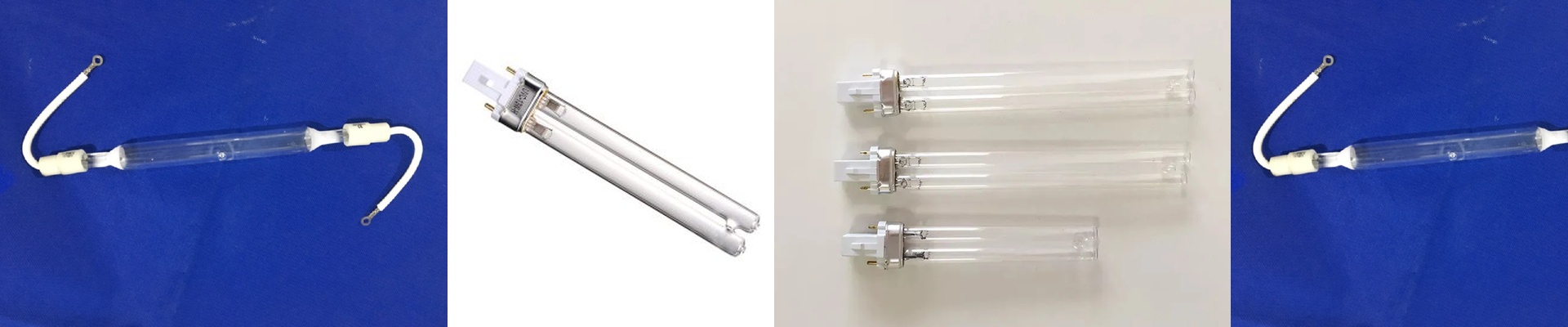
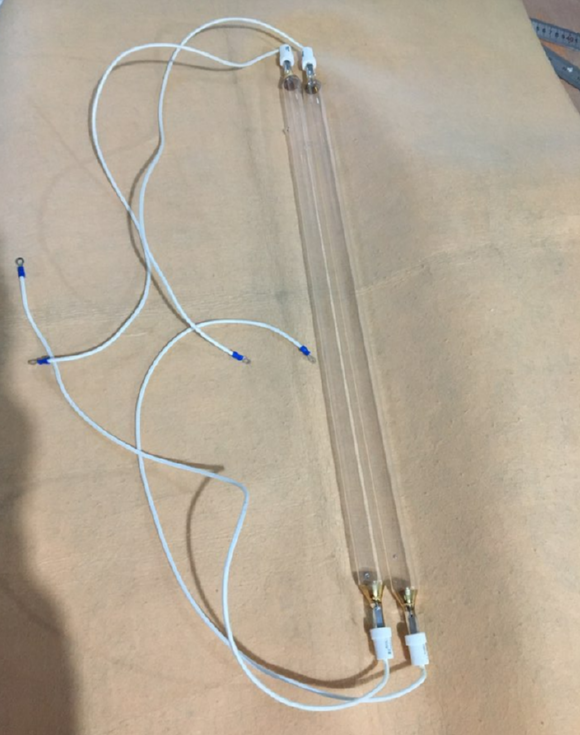
On the line, automotive powder-coated parts need a finish that won’t chip and can take solvents—without slowing the whole line down. Infrared gets the substrate warm, but it’s the high-output UV mercury lamp that finishes the job, driving the photoinitiators to full cross-linking. When the lamp doesn’t pull its weight, you’re staring at tacky surfaces, rejected batches, and energy going straight down the drain. What matters, technically We spec mercury vapor lamps with stable spectral output at 365nm and 385nm, matched to the photoinitiator package in the UV inks and clear coats. Peak irradiance needs to clear 800 mW/cm² at the web or substrate plane, and delivered energy density has to hit 500–800 mJ/cm² for solid conversion. Quartz envelopes, dichroic reflectors, and ozone-free designs keep output consistent and keep heat off substrates that can’t take it. Lamp life is targeted at 1,500–2,000 hours with under 5% output drop, and we match arc length, power density, and connector type to the footprint of your press. Why it works in practice In hybrid automotive drying, infrared raises part temperature to cut viscosity and help the coating level, while the mercury lamp delivers a fast cure—surface to through. You end up with a uniform, mar-resistant finish, cycle times trimmed up to 40%, and lower specific energy use than thermal-only ovens. On the printing side, the same spectral control lets you move between offset, flexo, and screen without retuning: 365nm for screen inks with heavy pigment loads, 385nm for flexible films in flexo, and a tight spectral width for offset stability on heat-sensitive stocks. A few shop-floor details Hybrid setups demand precise lamp positioning—otherwise you get shadowing, and the hot zone can overload the substrate. Check substrate tolerance to peak irradiance, and confirm reflector alignment during install. If the lamp runs below rated voltage, expect output to drop 10–15%, and plan lamp changes around production windows so you don’t get blindsided.