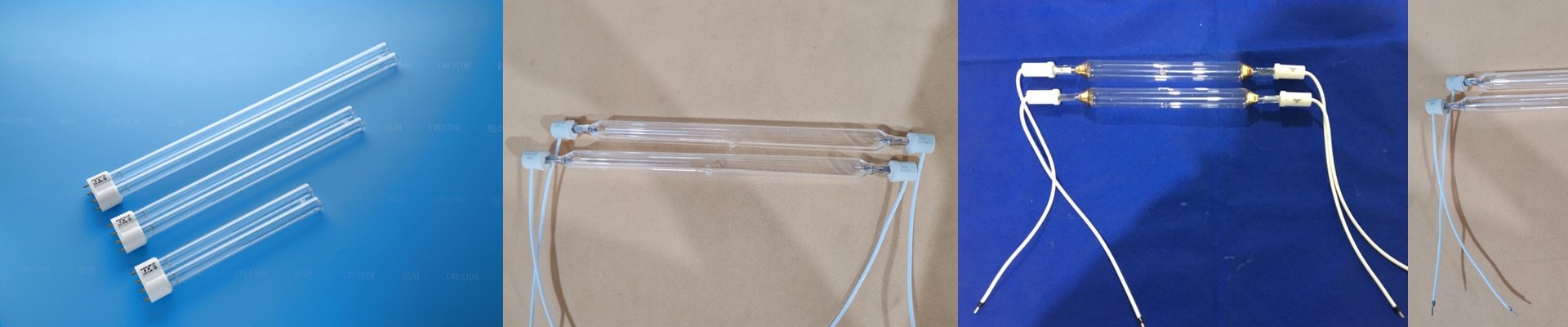
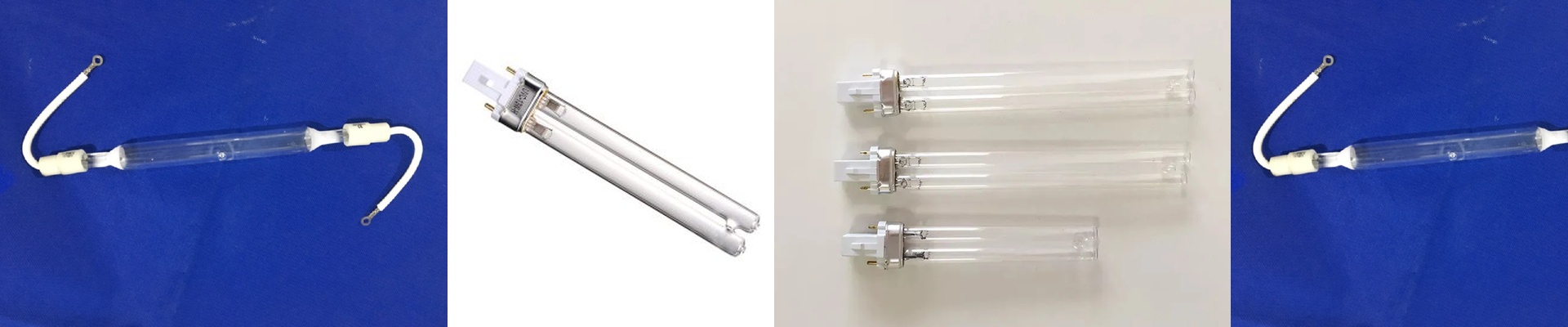
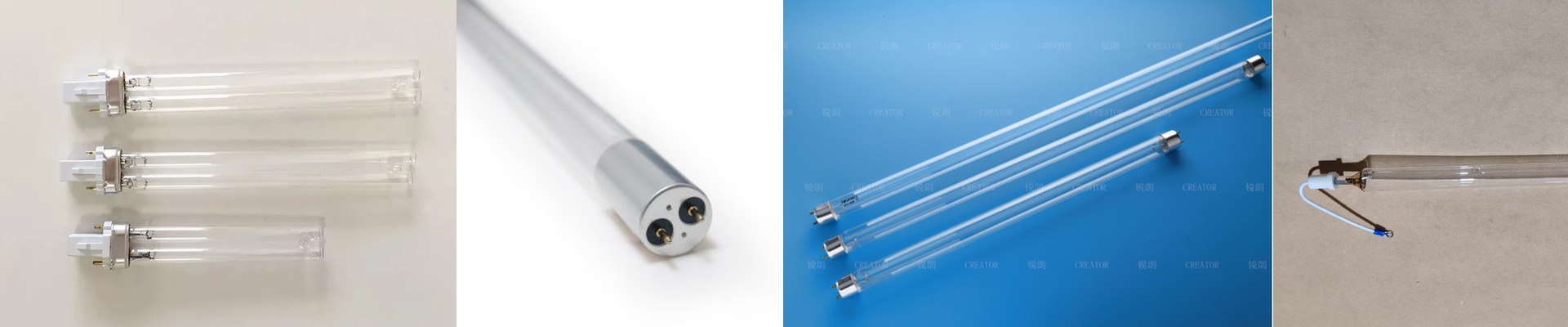

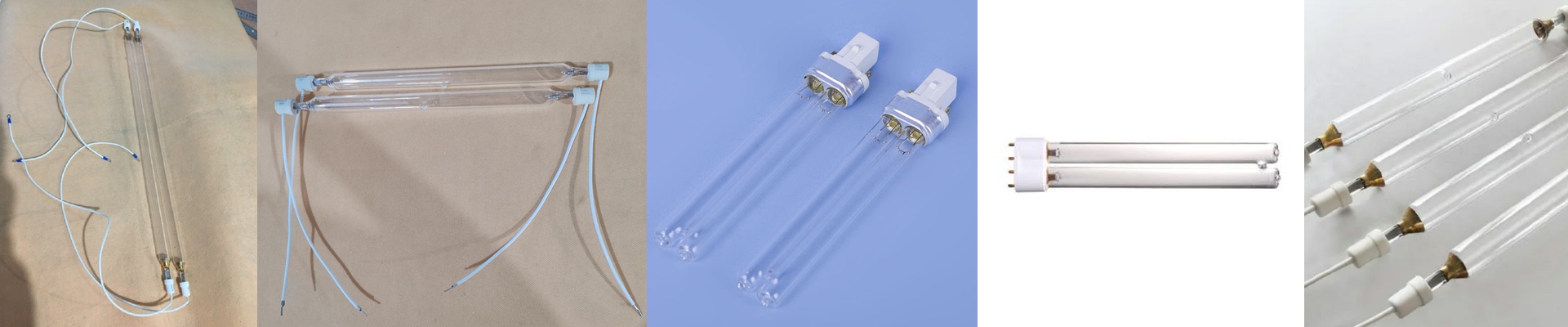
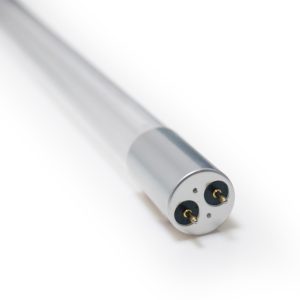
On the credit card line, heat is the quiet killer. Once the substrate starts creeping toward its thermal distortion point, you get warping, delamination, and registration drift. Scrap climbs. Throughput stutters. We built a UV curing lamp for credit card printing that puts the energy where it counts: into the photoinitiator, not into the card stack. What actually matters under the hood It’s a high-pressure mercury vapor lamp, tuned for a tight spectral output centered at 365nm. That wavelength lines up with the absorption peaks of the common UV ink photoinitiators, so cross-linking happens fast while IR heating stays out of the way. Peak irradiance is set to deliver consistent curing energy density across the full print width. The reflector uses a dichroic coating—reflect the UV, let the heat pass through away from the substrate. Output stays stable within ±3% over the life of the lamp, which keeps your cure profile repeatable. Why this works on heat-sensitive materials With these substrates, it’s the difference between holding geometry and watching it drift. The “cold cure” approach keeps substrate temperature low enough to protect dimensional integrity, even on tight tolerances and multi-layer builds. That means higher first-pass yield, fewer make-goods, and a cure speed that keeps the press moving. Energy use drops because you’re not wasting power heating the whole stack. What you need to keep straight on the floor Matching lamp output to your ink’s photoinitiator chemistry isn’t optional. Run a spectral radiometer and confirm the dose right at the surface. Plan for warm-up to reach stable spectral output, and schedule reflector maintenance to keep peak irradiance uniform. The lamp is ozone-free, but you still need proper ventilation and shielding—handle the reflected heat and UV exposure like you mean it.