
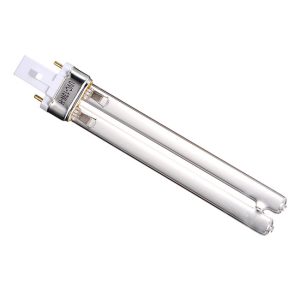
Why Your UV Lamps Are Failing on the Shop Floor
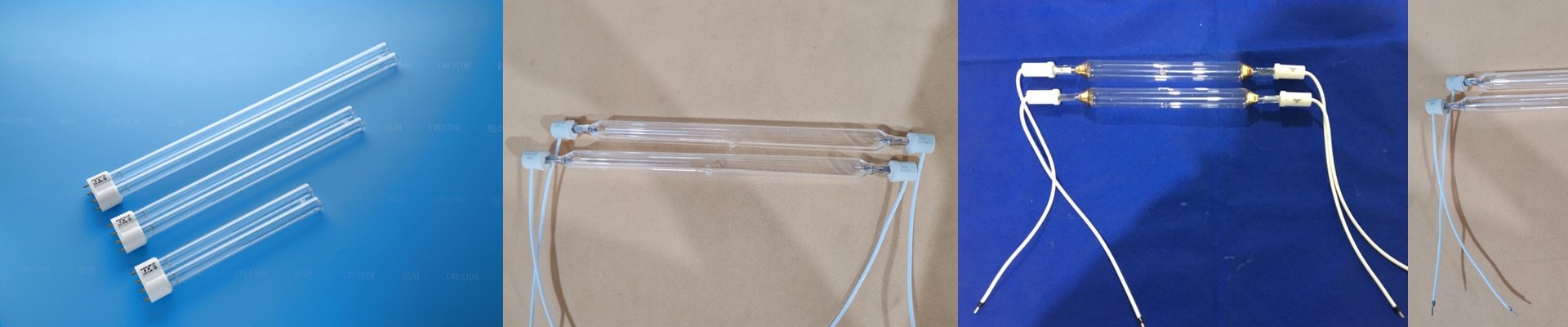
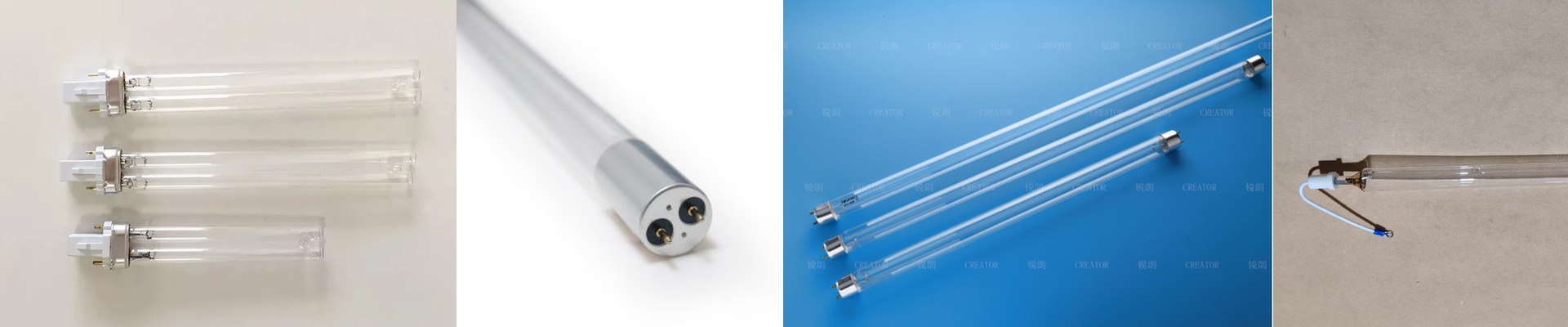
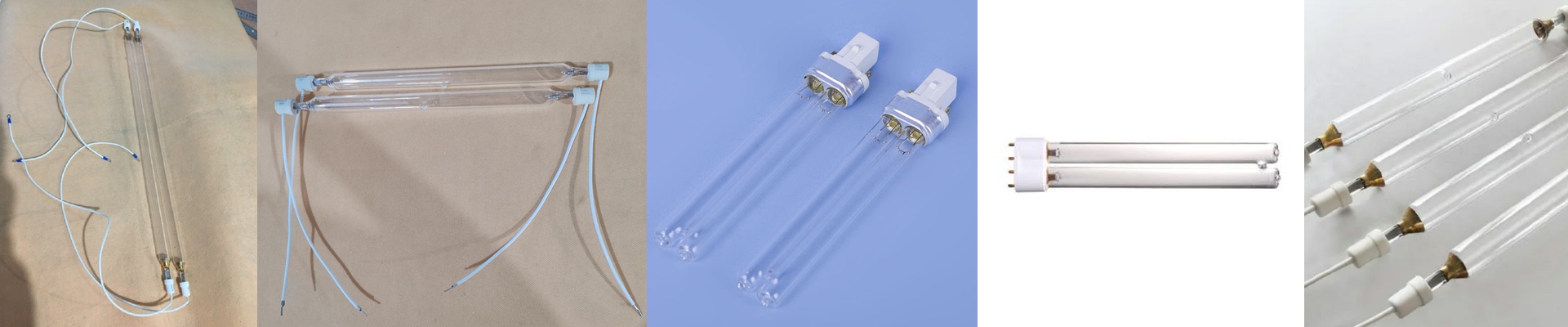
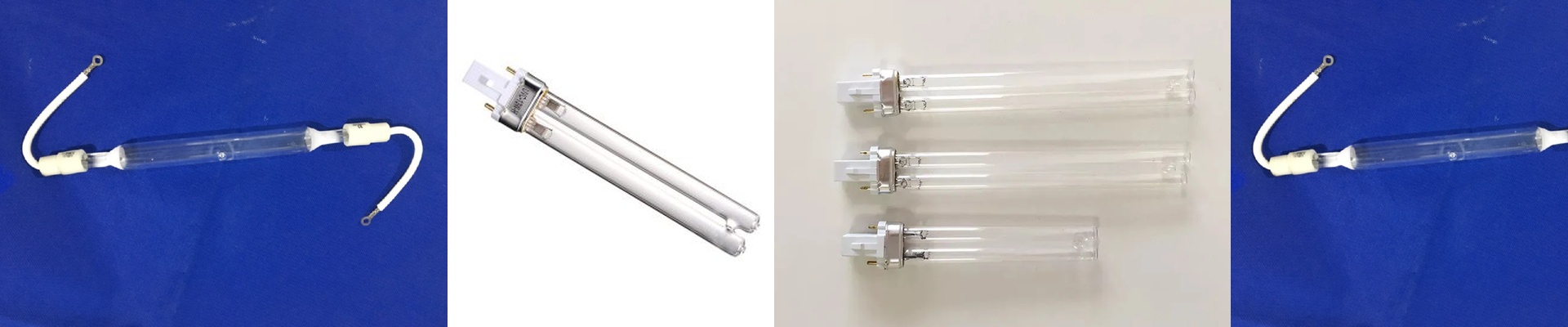
We’ve spent time auditing about 3,000 printing plants, and we noticed something frustrating. There is a massive gap between how a UV lamp performs in a clean lab and how it actually behaves on a noisy, vibrating shop floor. Most of the time, the bulb itself isn’t the problem. The real issue is the design. Too many systems ignore the heat and the actual speed of the presses. The heat struggle Here’s the thing: you need a balance. You want enough power to cure the ink fast, but if you cram too many watts into a short tube, you’re just baking your materials. It’s a constant trade-off. Crank up the intensity to speed up your line? Great. But now you’re fighting warped paper or melted film. That’s why we obsess over the wattage-to-length ratio. You need a cooling system that can actually keep up, or you’re just asking for trouble. Built for the real world We’re done with flimsy connectors. In a plant where everything is shaking, a loose plug is a death sentence for a bulb—it leads to arc-over and then pop, you’re down. We use heavy-duty interfaces instead. They’re built to be swapped out quickly. When a lamp burns out mid-shift, you don’t want a project; you want a quick drop-in replacement so you can get back to work. And while high-quality quartz glass is a must for the UV light to get through, we’ve seen way too many lamps get ruined by ink splatter and dust. A bit of proper shielding goes a long way. Making it actually work Think of the lamp as a chemical trigger, not just a light. We tweak the reflectors and the focal length so the energy hits exactly where the ink meets the substrate. No wasted light. Plus, you need a rock-solid power supply. If the power flickers, you get those annoying “zebra stripes” in your finish. It looks amateur. And guess what? If your conveyor speed jumps around, your curing depth changes. To fix that, we just sync the lamp’s output directly to the press motor. It just works.