
Stop Treating Your UV Lamps Like Lightbulbs
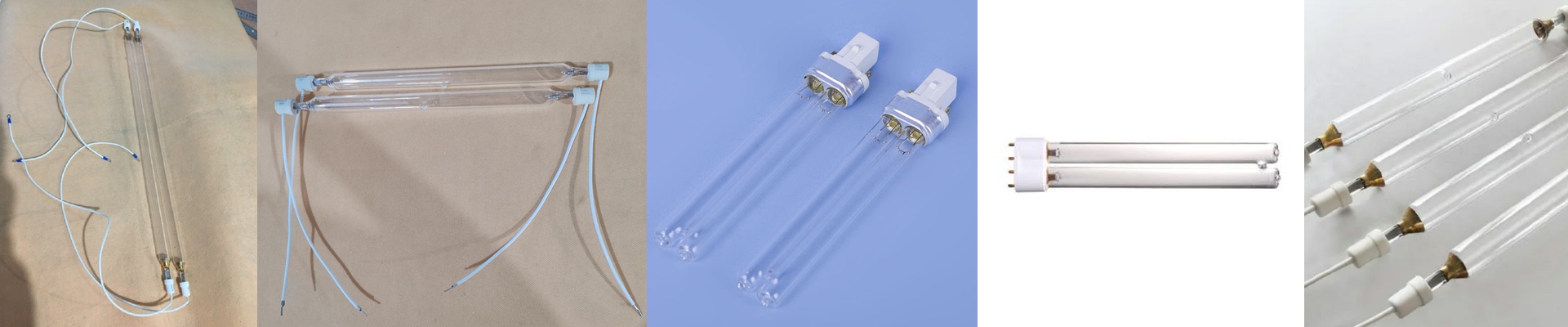
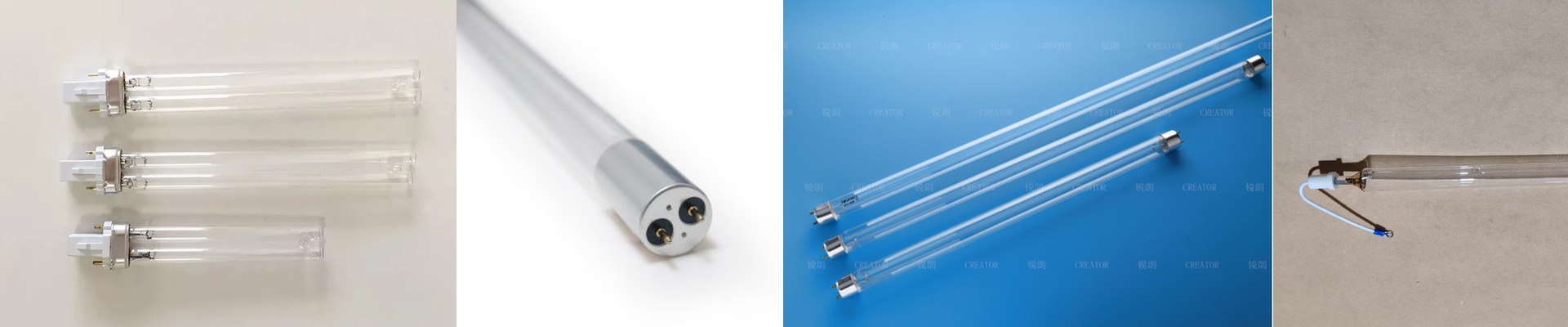
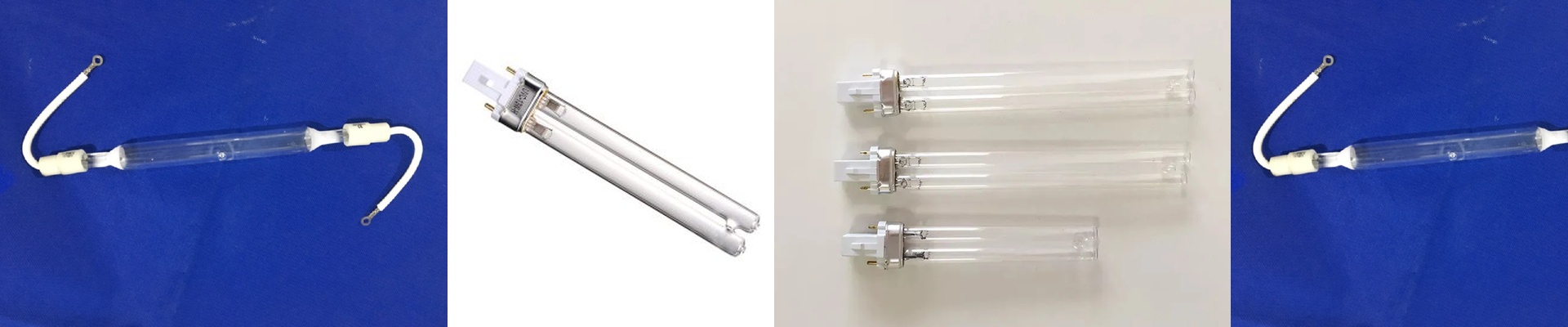
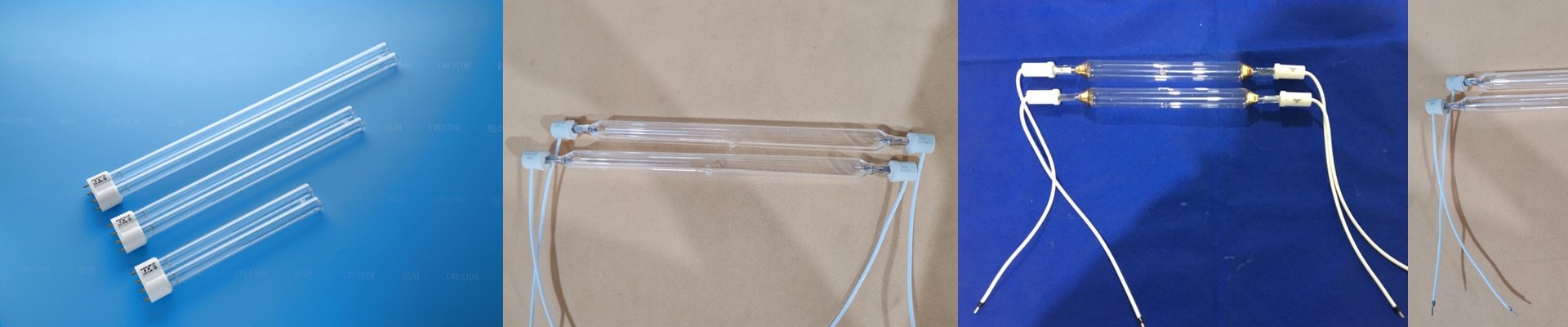
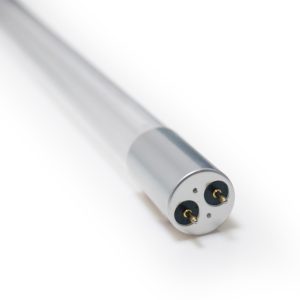
Most shops handle UV lamps the same way they handle a burnt-out bulb in the hallway: you run it until it goes dim, then you swap it out. It’s reactive. It’s a headache. But if you’re trying to run a modern line, your UV source needs to be more than just a heat generator. It should be a reliable part of your data chain, not a guessing game. The Truth About UV Output Here’s the thing about standard replacements: they usually ignore how the quartz envelope breaks down over time. We look at it differently. We care about spectral stability. When you slide in one of our smart replacements, you aren’t just matching the length or the wattage. You’re making sure the peak wavelength actually hits your specific photoinitiator. If that wavelength drifts by even a few nanometers? Your cure rate tanks. You end up with tacky surfaces, wasted materials, and a lot of frustration. Fitting Them In We make these to be drop-in replacements. No one wants to spend a weekend re-tooling a machine just to upgrade a lamp. But a word of warning: if you move to higher-intensity lamps, your reflectors are going to feel the heat. Check your exhaust fans. If your cooling isn’t up to the task, the lamp will burn out early, no matter how well it was built. We also use reinforced end-caps. Why? Because vibration is a killer. Those caps keep the electrical contact tight, which stops that nasty arc-burn you see in the cheap stuff. Precision Beats Raw Power It’s tempting to just crank up the power in a curing tunnel, but that’s usually a mistake. Too much raw energy leads to over-curing and warped substrates. We focus on consistency across the whole length of the lamp. By smoothing out the power, we kill the “hot spots” that cause uneven finishes. The result? You can actually speed up your line without worrying if the quality is slipping. It’s just about giving the product the exact dose of energy it needs. Nothing more, nothing less.