
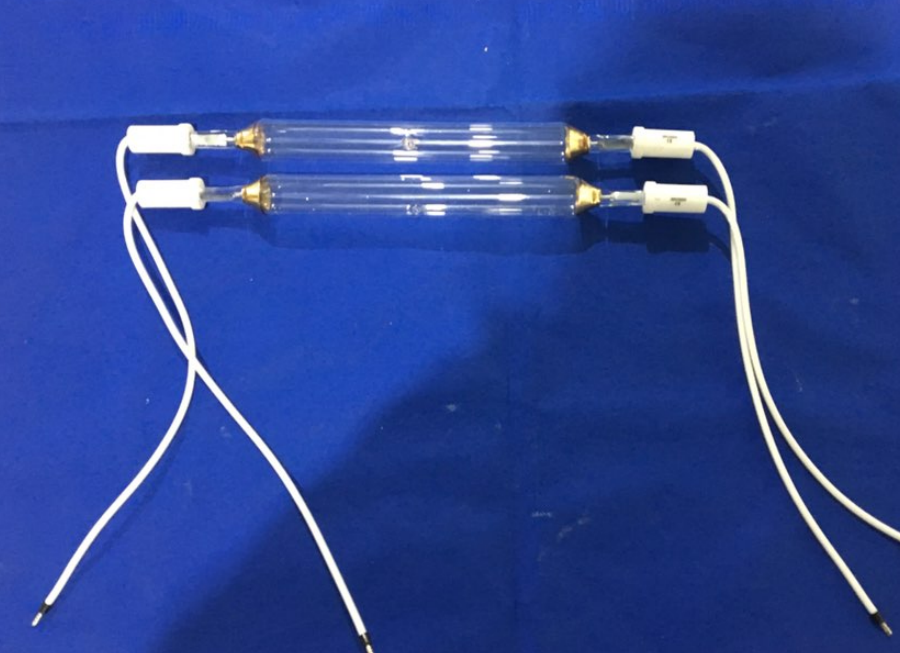
Getting Your Textile Curing Right: The Truth About Quartz UV Tubes
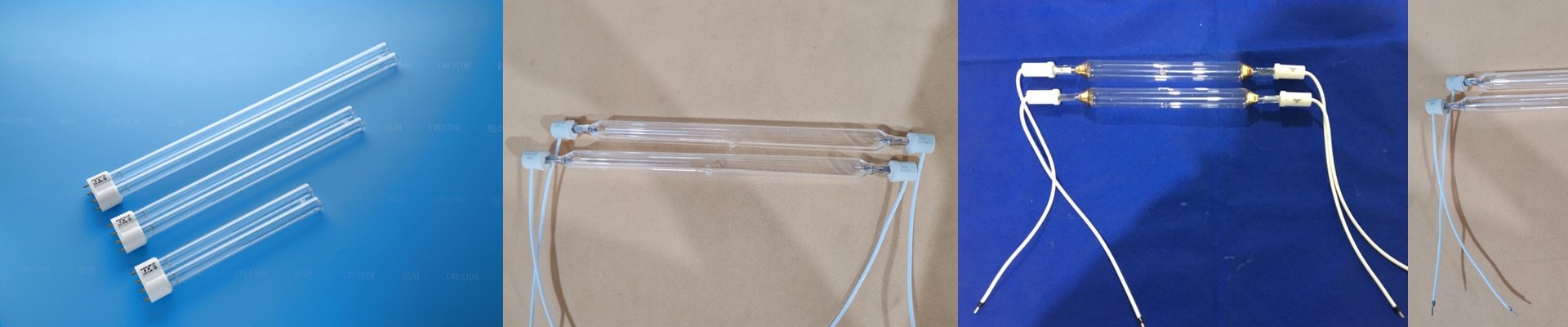
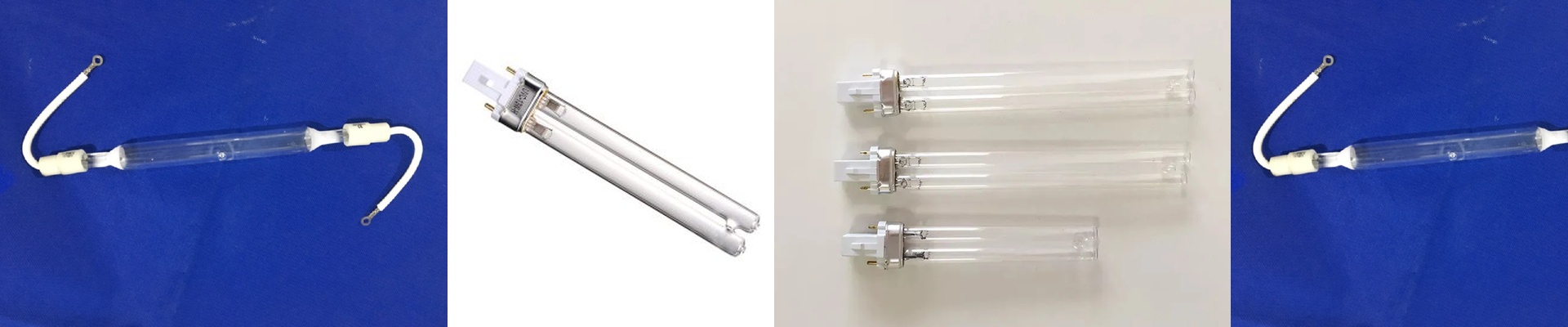
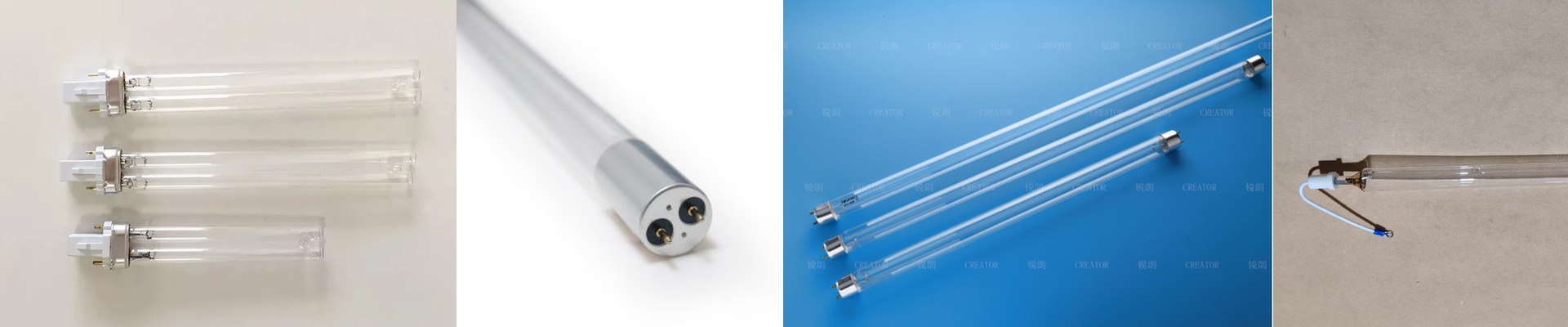
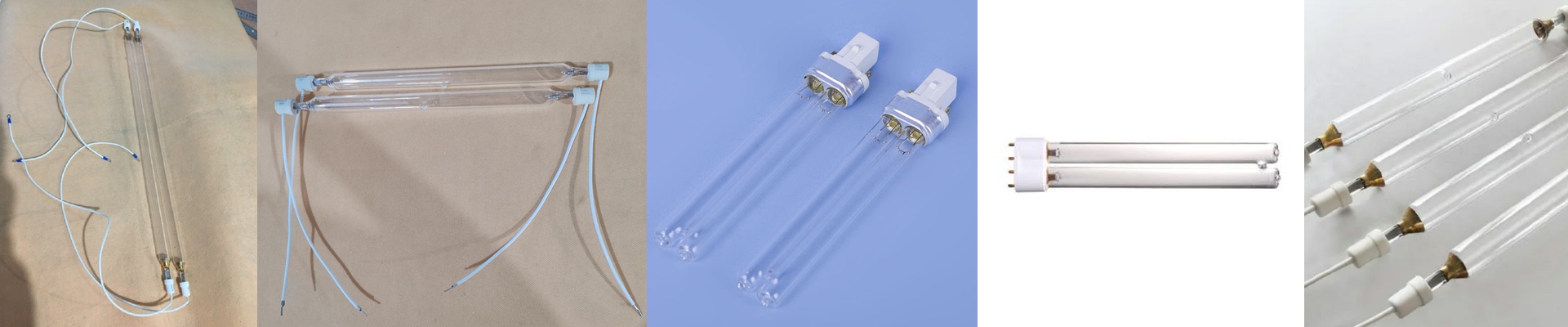
If you’re running an industrial curing line for textile printing, you know the struggle. You need the ink to lock into the fabric instantly, but you can’t exactly blast it with so much heat that you scorch the fibers. It’s a delicate balance. That’s where our quartz UV tubes come in. Why quartz? Simple. Regular glass is a wall—it blocks the UV radiation you actually need. We use fused quartz because it lets those short-wave UV rays slide right through. This means the ink cures deep inside the weave, not just on the surface. The result? A consistent finish across the whole width of your fabric, every single time. The heat struggle Here’s the thing about high-wattage tubes: they pack a punch, but they get hot. Fast. When you cram that much power into a small space to get the intensity you need, thermal management becomes everything. If your cooling fans or water-jackets aren’t up to the task, you’re going to have problems. We’re talking warped tubes or electrodes that burn out way too soon. Pro tip: check your reflector alignment every 500 hours. It takes a minute, but it stops those nasty hotspots from ruining your gear. Keeping things smooth We designed these to be easy drop-in replacements for most standard arrays. No fuss. We also spent a lot of time on electrode stability. Why? Because nobody wants flickering lamps during start-up. Flickering leads to uneven curing, which shows up as those dreaded “tiger stripes” on your fabric. It’s a nightmare to fix once it’s printed. One big rule:don’t touch the quartz with your bare hands. It sounds silly, but the oils from your skin create tiny hotspots. When the lamp heats up, those spots cause the glass to crack under the stress. Just use some isopropyl alcohol to keep them clean. The bottom line for your prints At the end of the day, these lamps are your final quality check. They’re what stop the pigment from bleeding during the first few washes. By getting the UV dose just right, you keep the fabric feeling soft to the touch while making sure the print stays sharp and vibrant. It’s the difference between a product that looks professional and one that looks like a mistake.