
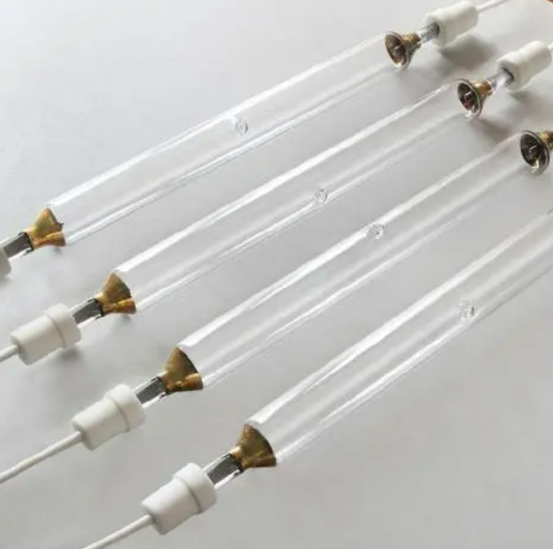
The Move Toward Smart UV Lamps
For a long time, the UV lamp business was pretty basic: a bulb burns out, you swap it for a new one. Simple. But things are changing. We’re moving away from just selling glass and gas and moving toward systems that actually talk back to us. We’re talking about “Smart UV.” Lamps that don’t just sit there glowing, but actually tell you how they’re doing and how much power they’re pulling in real-time.
Stop Guessing When Your Lamps Die
Here is the problem with standard UV lamps: they’re blind. You have no idea they’ve failed until you notice a product coming off the line that isn’t cured or, worse, is contaminated. That’s a nightmare for anyone running a floor. The new gear fixes this by tucking sensors right into the ballast or the lamp head. It tracks the wattage and the irradiance. By keeping an eye on voltage drops and current swings, we can tell exactly when a lamp is about to give up the ghostbeforeit actually happens. No more guessing. No more “hoping” the lamp lasts another week.
The Trade-off: Wiring and Data
Now, this isn’t as simple as just plugging in a new bulb. Adding this kind of telemetry means you’re adding a communication layer—usually Modbus or IO-Link. You can’t just throw these into an old legacy panel and expect them to work. You’ll need a controller that can actually handle the data stream. And let’s be honest: it’s a bit more work upfront. The electronics bump up the initial cost, and the wiring gets a little more complex. Plus, you’ve got to make sure your network can handle hundreds of lamps pinging the system all day across the factory.
What This Actually Means for the Shop Floor
The best part? You can finally stop that annoying cycle of “preventative” replacement. You know the one—where you toss a perfectly good lamp just because a calendar told you it’s been six months. It’s a waste of money. Instead, we just track the efficiency. If the power draw spikes but the UV output dips? That’s when you swap it. It saves a ton of waste and keeps the line moving. And guess what? Your cooling systems get a break too. Since you can monitor the heat load of the UV array remotely, you can dial back your chillers to match what’s actually happening, rather than just blasting them at 100% all day long. It’s just a smarter way to run the place.