
Introduction
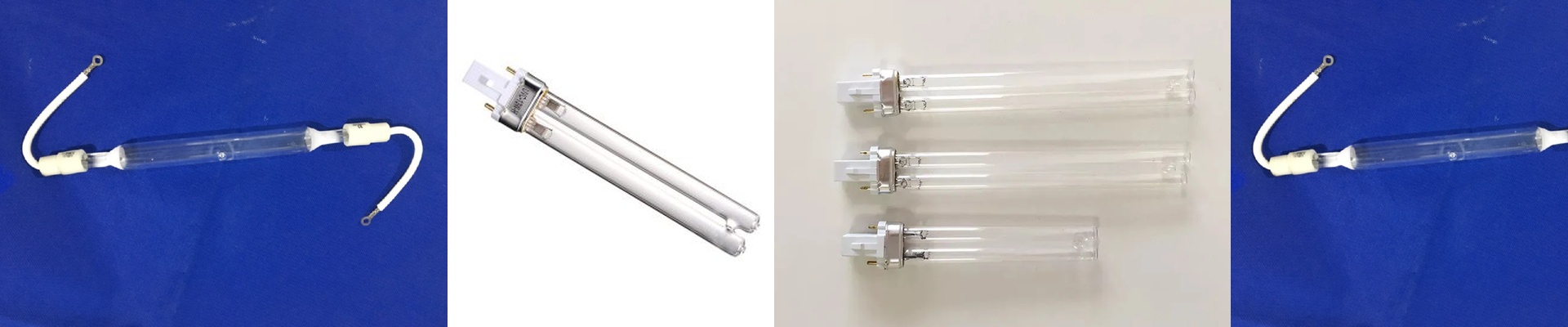
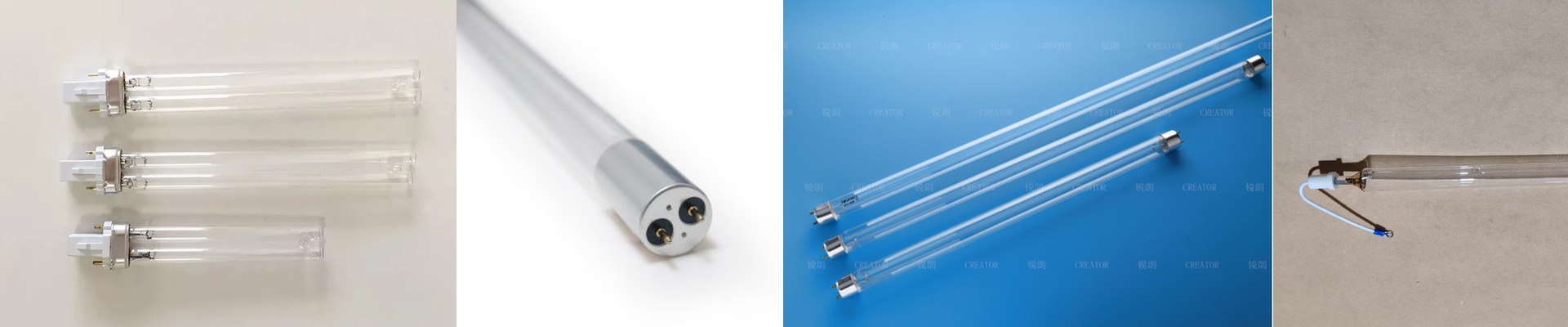
We built the Long Life Mercury UV Curing Tube for one simple reason: to give small and medium textile printers a UV lamp that’s tough, reliable, and doesn’t cost a fortune. It’s a drop-in workhorse, made for screen-based and roll-to-roll UV curing lines. If you’re curing inks and coatings that respond to mercury-arc wavelengths, this lamp gives you a steady heat profile and consistent output, shift after shift.
The Power Behind the Cure
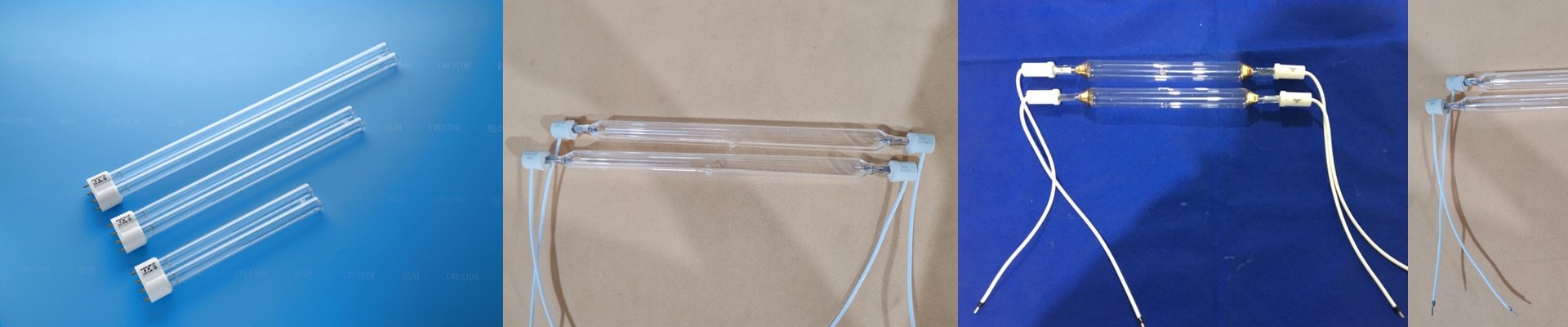
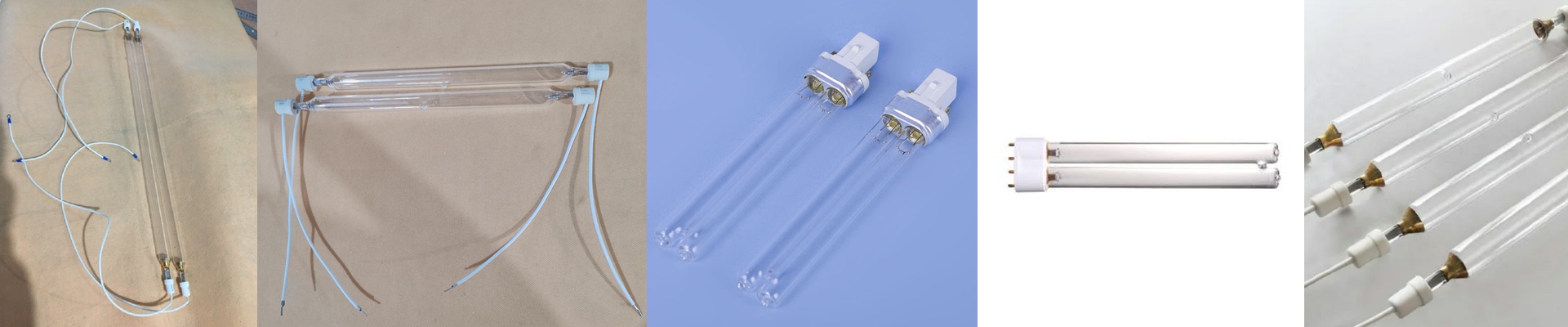
Here’s the thing about a mercury UV tube—it’s not just a bulb. It’s a controlled arc discharge, engineered to deliver the power density you need for fast curing on fabric and thin films. We set it up to run at high voltage, striking a stable arc across the electrodes. That’s how you get the shortwave and mediumwave output your photoinitiators are waiting for. And the length? It’s matched to common curing windows, so you can swap it into your existing fixture without reworking the reflector cavity. This is high-intensity by design. It pours out concentrated UV energy, which means the curing zone heats up fast. So plan your airflow and heat rejection up front. If the reflector and cooling are too small, you risk overheating the substrate—and cutting the lamp’s life short.
Materials That Matter
The envelope is made from high-purity quartz. Why? Because quartz handles the thermal shock of repeated start cycles and keeps its UV transmission without clouding up quickly. Inside, the mercury charge keeps the spectral output stable. The tungsten electrodes are built to take repeated arc strikes without giving up. And the R7s connector? Practical, industrial, and made for quick swaps. It handles high current, seats squarely, and locks in alignment. That matters because poor contact resistance leads to hot spots and early failure. With R7s, you wire it once, and the lamp seats the same way every time.
Textile Printing, Done Right
On the shop floor, this tube is built for the reality of small-batch printing. It cures UV inks on cotton blends, polyester, and coated substrates without soaking the fabric with heat. The payoff is real: faster line speeds, fewer smears, and less downtime waiting for the curing zone to settle. We designed it to be a straightforward replacement. Match the voltage, spec it to your fixture, and run. Just keep one thing in mind: the lamp runs hot. Your machine needs to pull heat away from the curing window and protect sensitive parts. When the cooling is right, you get long service life and cure performance you can count on, day after day.