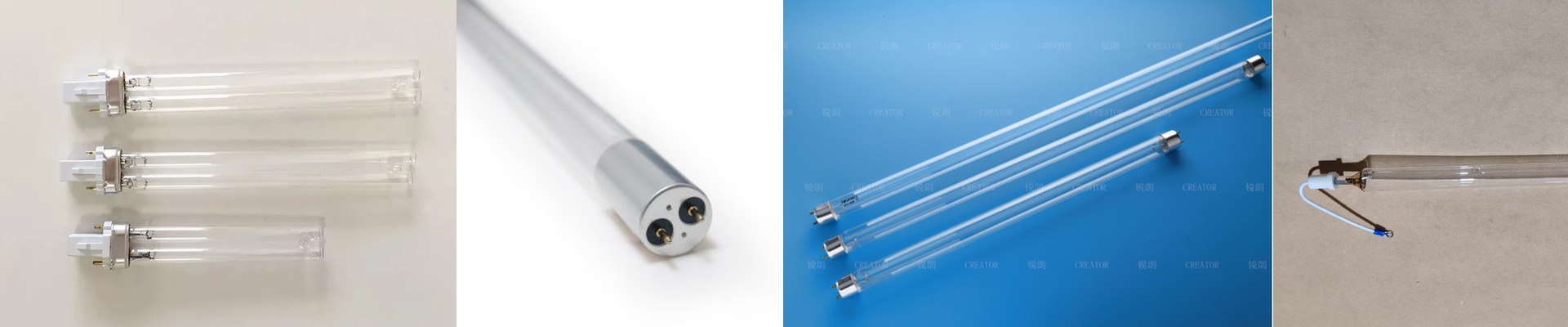

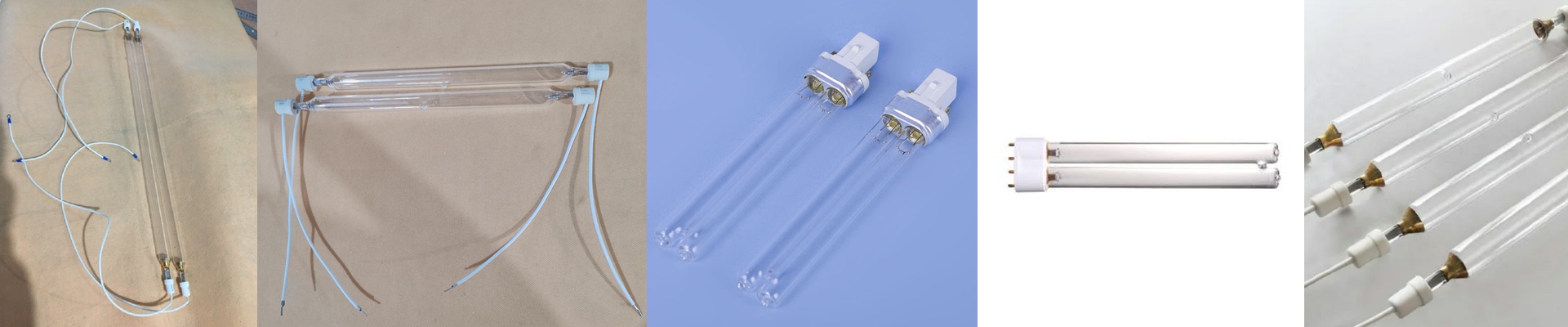
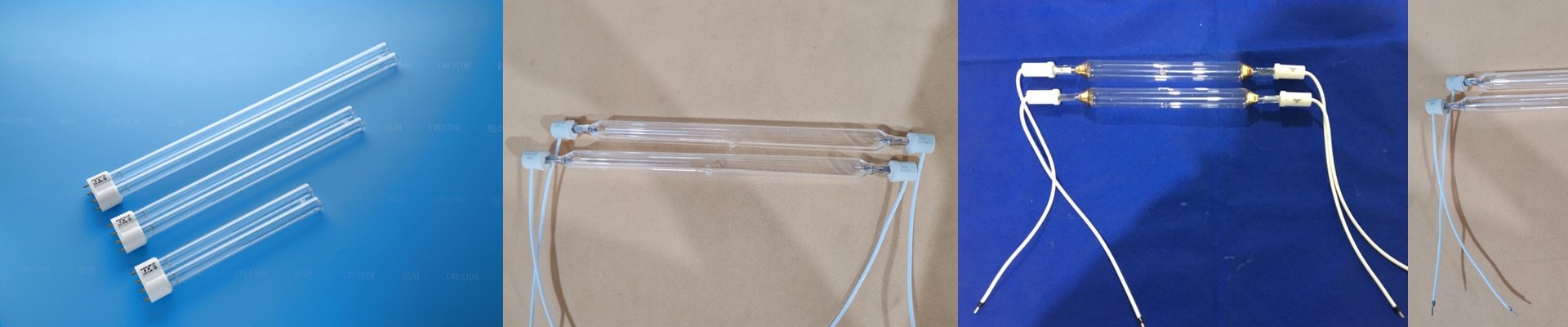
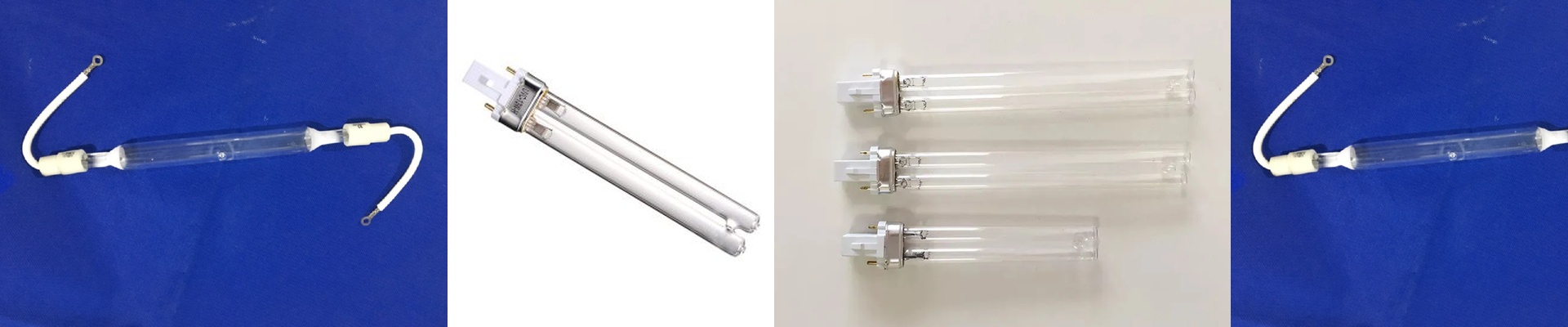
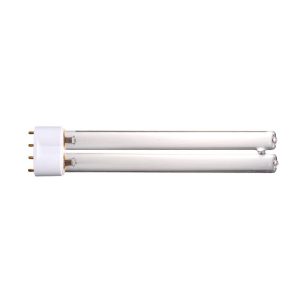
On the press, a lamp that won’t strike right away stops the line cold. Worse, though, is the one that starts but can’t hold its output—ink stays tacky, and the reject pile grows by the hour. With instant-start UV curing lamps, you can do a quick visual pass: watch the arc’s color temperature to get a read on the internal gas fill and overall lamp health before it turns into a production headache. What actually matters under the hood Instant-start mercury vapor lamps strike without preheating, so they need stable arc chemistry and a steady spectral output across the UVA band. The 365nm line drives most of the cross-linking for offset, flexo, and screen inks, and spectral purity keeps photoinitiators behaving predictably. We hold tight tolerances on peak irradiance, output stability, and minimal spectral drift, because those numbers are what give you repeatable cure depth and adhesion. A stable, repeatable color temperature tells you the fill gas and electrode design are working together to keep mercury vapor pressure and arc geometry consistent over time. Why this fits the press room, not the lab On high-speed work, instant start means no idle warm-up, no waiting for lamps to settle, and fewer false starts. Output stays steady through long runs, so you get consistent surface cure and better through-cure without overexposing the substrate. That shows up as fewer web breaks, less dot gain drift, and lower energy per sheet. Match that to a reflector tuned for uniform line speed, and you get repeatable density across the full print width. A few shop-floor realities Instant-start ignition hammers the electrodes, so lamp life is shorter than with warm-start systems. Match lamp power to the reflector and power supply; if you overdrive a reflector rated for lower power, you shorten lamp life and accelerate output decay. Always verify the lamp’s spectral profile with a radiometer—confirm 365nm output and irradiance stability—and double-check the fixture’s electrical interface before you install.