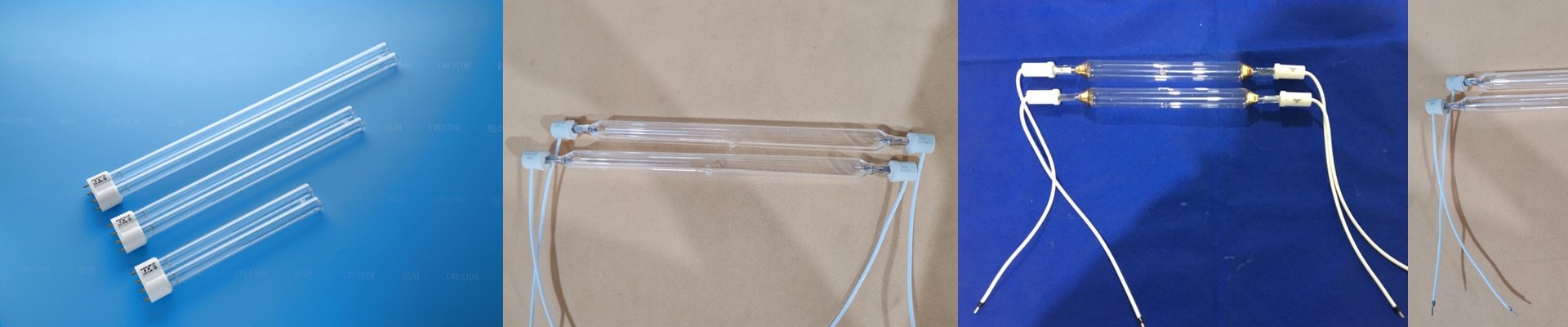
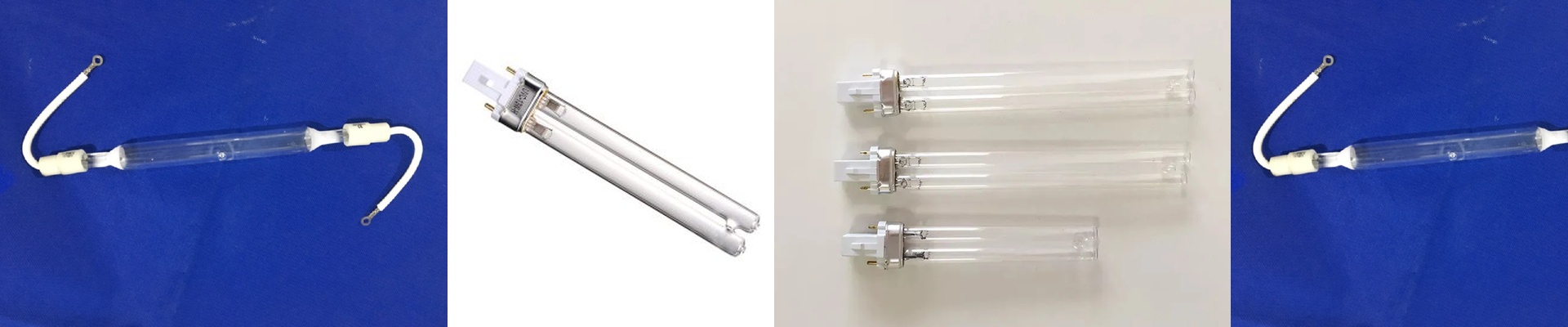
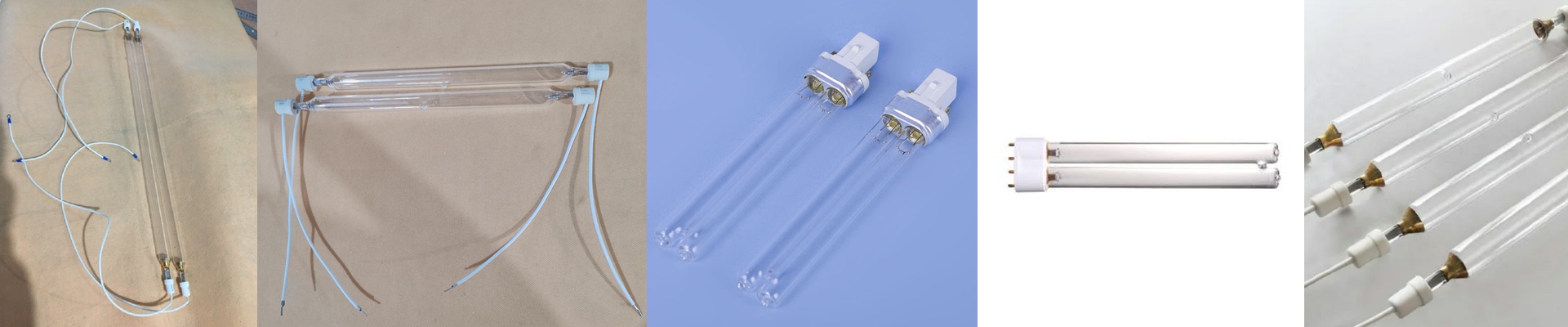
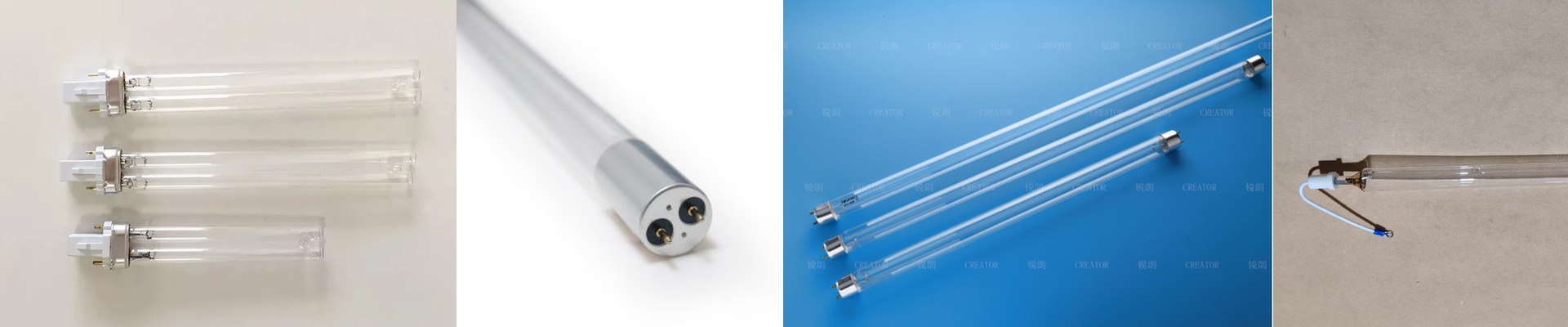

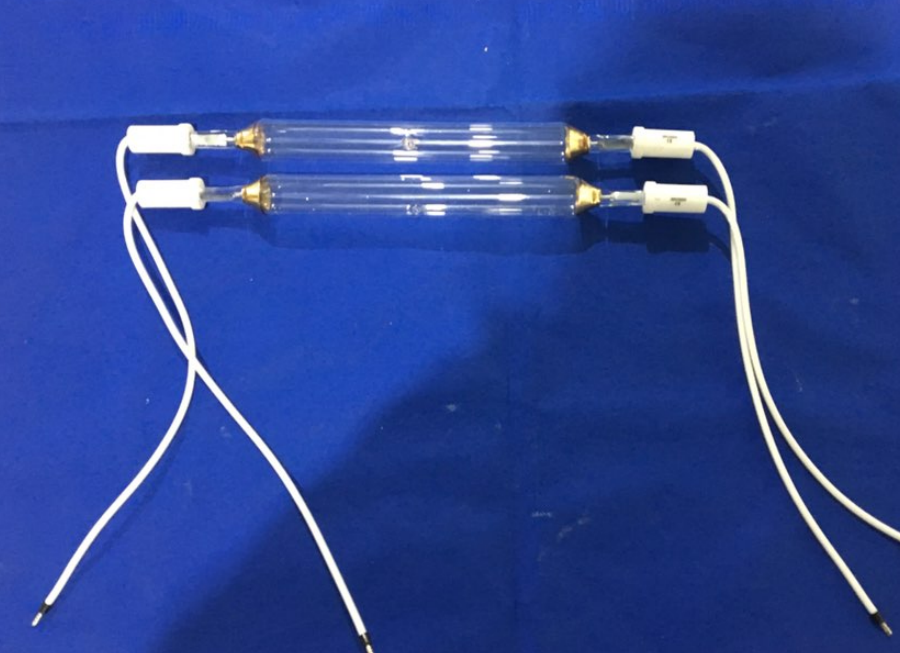
On a flexo label press, blurred edges and color bleed aren’t just cosmetic—they’re scrap. They happen when UV output gets unstable. Spectral drift and uneven irradiance leave the photoinitiators under-cured, especially on the trailing edge of the print. The fix is a UV lamp built around spectral consistency. What matters, technically We spec a high-pressure mercury vapor lamp with a defined spectral output centered at 365nm, plus a controlled 420nm band to drive deeper through-cure on pigmented inks. The 365nm line gives you high photon flux for surface cross-linking, while the 420nm band improves depth penetration without over-exposing thin substrates. Peak irradiance is held across the full arc length, and the reflector geometry—with dichroic coatings—keeps energy density uniform. The lamp runs ozone-free, and the output curve stays stable, dropping less than 5% over 5,000 hours. Here’s why this works in label flexo. You’re running high speeds, fine screens, and tight registration. Stable 365nm/420nm output means instant cross-linking at every dot, so dot gain and haloing don’t sneak in. You get consistent ink film cure from the first label to the last, even on heat-sensitive films, with no off-gassing and no substrate distortion. The payoff is fewer rejects, faster changeovers, and color that stays predictable shift after shift. A few things to keep straight. Match the lamp to your dryer’s reflector profile and shutter aperture—mismatched geometry will give you hot spots and uneven cure. Check that your ink’s photoinitiator absorption lines up at 365nm and 420nm. These lamps run at high power density, so airflow and cooling have to meet spec; otherwise you’ll shorten service life. And before you install, confirm electrical compatibility—voltage, connector type, and ignition method.