
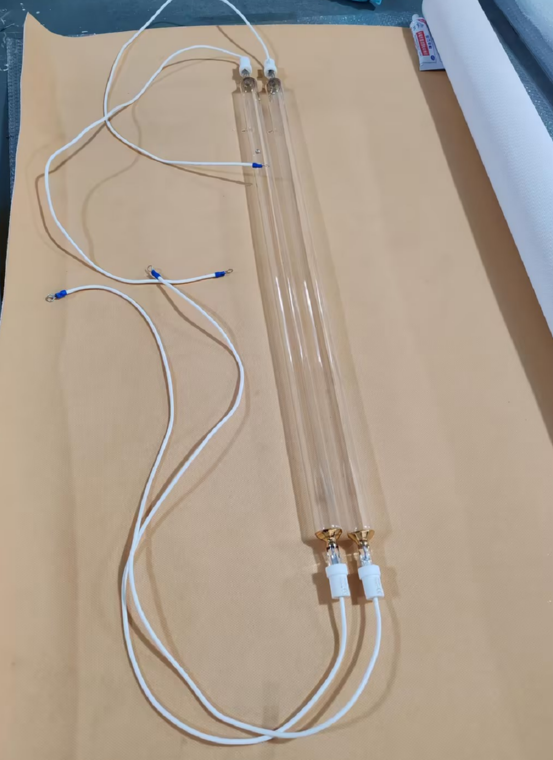
The Secret Sauce of Textile Finishing: High-Pressure Mercury UV Lamps
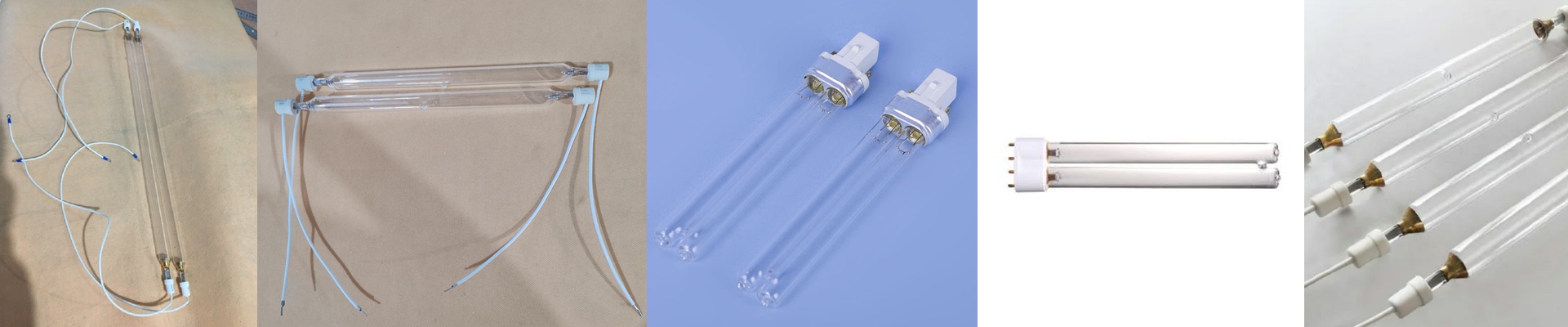
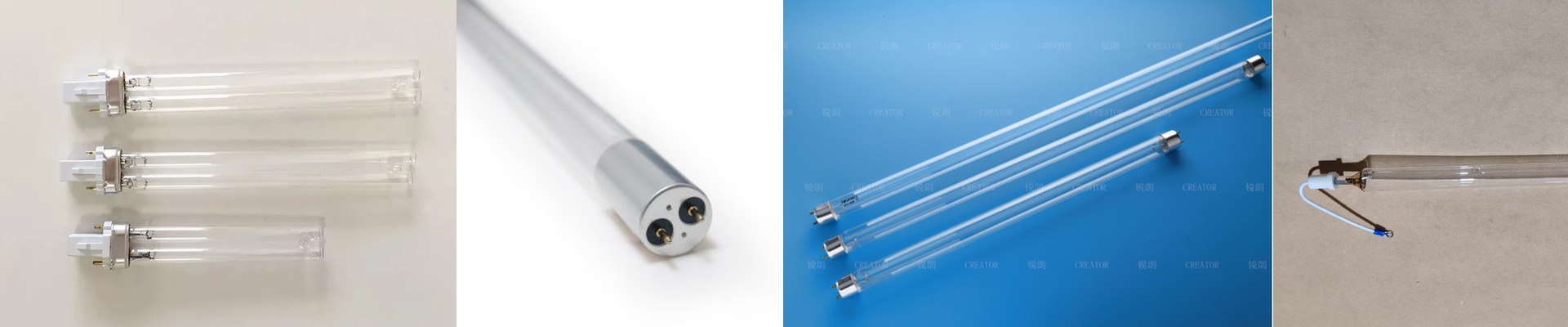
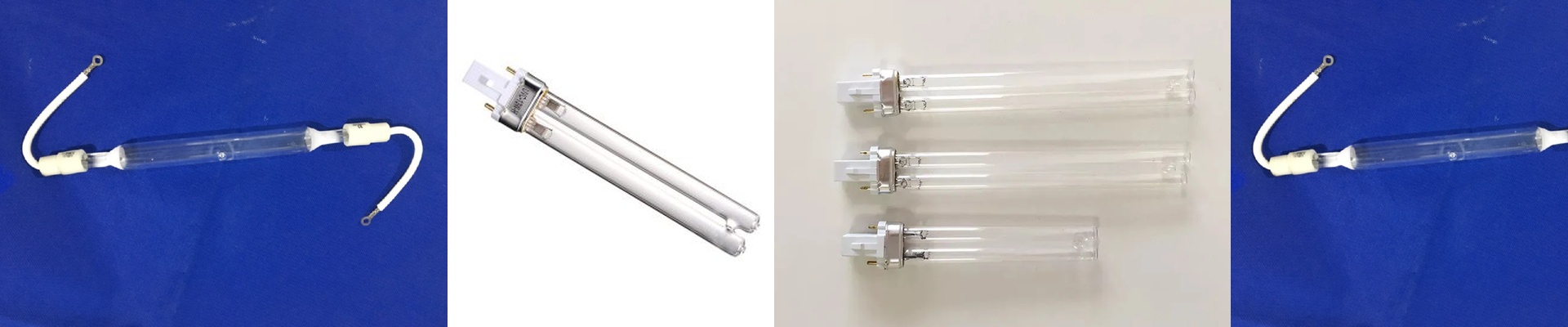
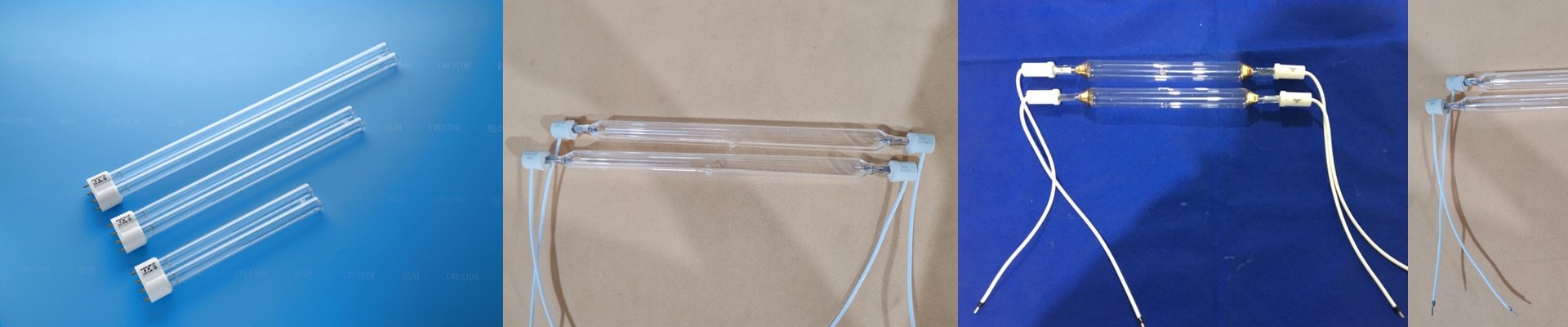
If you’ve ever wondered how a piece of fabric goes from a raw roll to a finished garment with a perfect, durable print, the answer is usually something you can’t even see. We use high-pressure mercury lamps to do the heavy lifting. Basically, they hit liquid resins with a burst of UV light, turning them into a solid, tough finish in a matter of seconds. It’s fast. Really fast. And that changes everything for your workflow. How they actually work Inside these lamps, an electric arc jumps through mercury vapor. This creates a broad blast of UV radiation—mostly UVC and UVB. Now, here is where it gets tricky. You need high irradiance levels. If you skimp on the wattage, you end up with “surface cure.” That’s a nightmare scenario where the top looks dry, but the underside is still tacky. The ink migrates, the quality tanks, and you’ve wasted a whole batch of fabric. The hardware side of things We make these tubes out of high-purity fused quartz. Why? Because it lets the most UV light through. But there’s a catch: these things gethot. Like, seriously hot. You can’t just plug them in and walk away. You need a solid cooling system—either forced air or water-cooled jackets. If you ignore the heat, the quartz will stress and crack. Or worse, the lamp “solarizes,” which is just a fancy way of saying the UV output drops off way before the lamp is actually supposed to die. Where this happens on the floor In a typical textile shop, these lamps usually handle three main jobs: First, there’sdigital printing, where UV inks on polyester or nylon need to set instantly. Then you havefunctional coatings, like when you’re adding water-repellent or flame-retardant chemicals. And of course, there’sscreen printing, which requires a quick dry for those thick, heavy pastes. The real art is in the setup. You have to nail the focal distance. If you put the lamp too close, you’ll scorch the fabric. Too far? The cure rate plummets. It’s all a balancing act between the intensity of the light and how fast your belt is moving. Get that right, and everything just clicks.