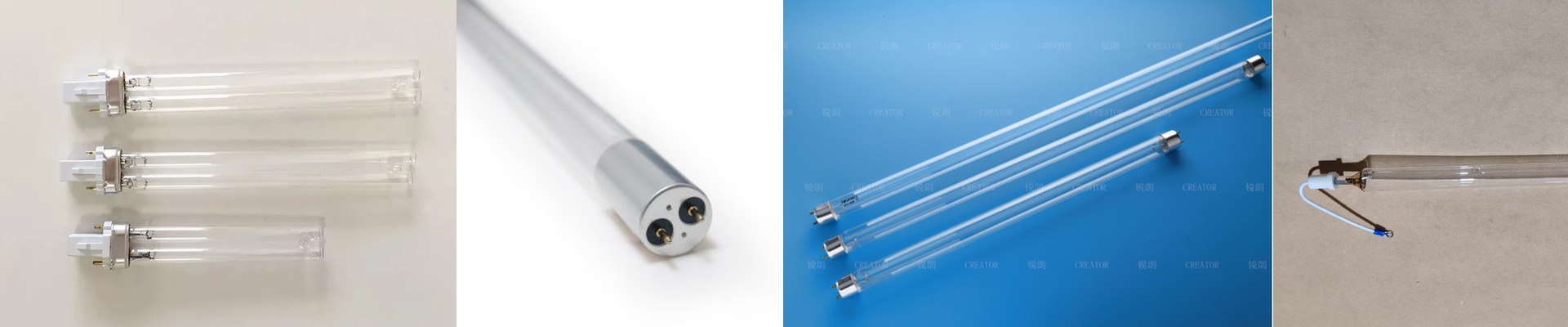
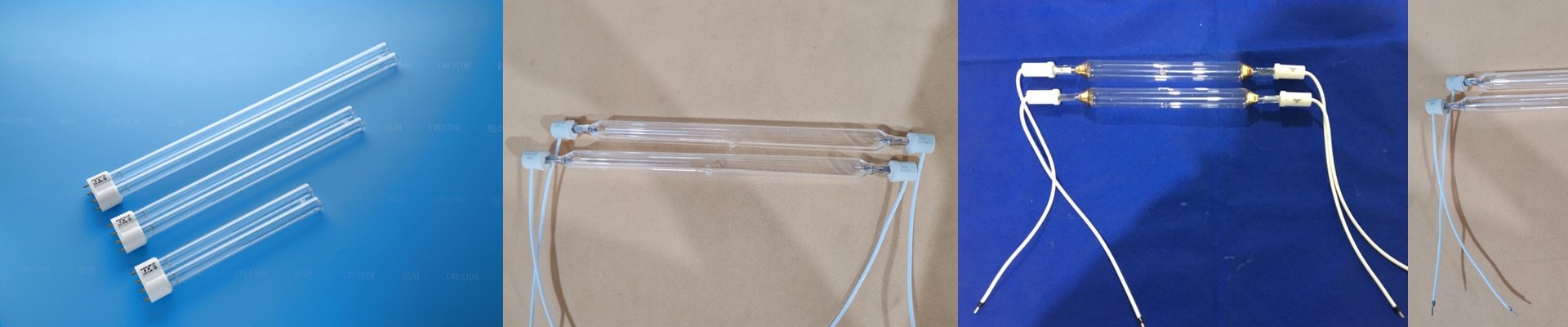
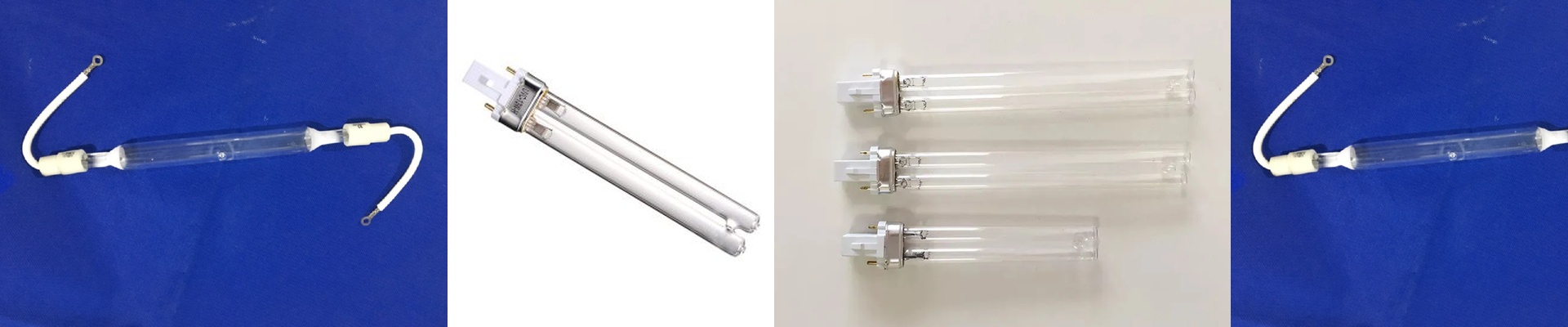
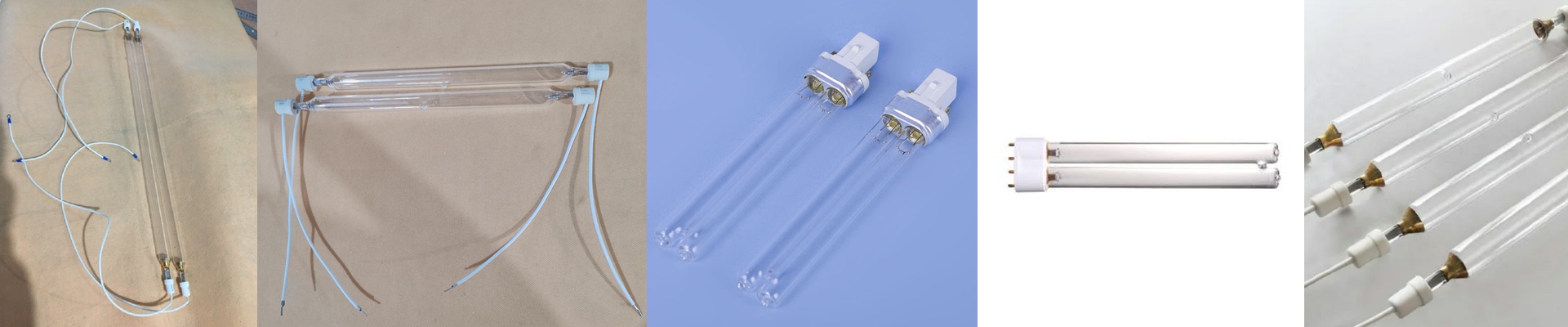

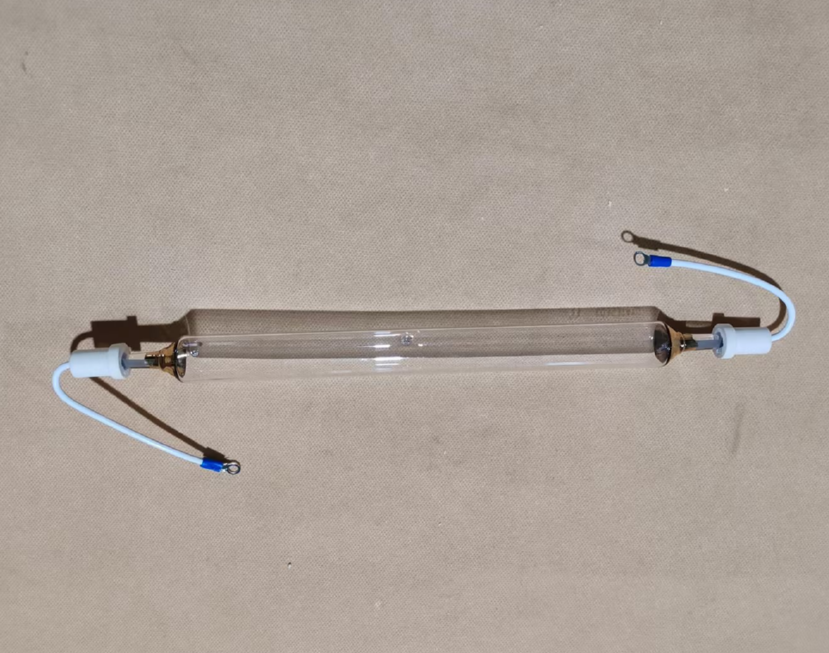
Out on the floor, the heat from a conventional UV lamp isn’t just uncomfortable—it’s a quality killer. PET warps, thin foils ripple, and you end up stacking rejects. We built this UV curing lamp for heat-sensitive work to take that failure mode off the table. It gives you the photon density needed for full cross-linking without dumping thermal load into the substrate.
What matters under the hood
We focus on the UVA band that ink photoinitiators actually respond to: 365nm for deep penetration, 385nm to balance surface-to-bulk cure, and 405nm for thin films. Output is measured in practical terms—peak irradiance above 1,200 mW/cm² and energy density that lands at 800–1,200 mJ/cm² at typical web speeds. The lamp body stays cool at the substrate interface, thanks to a dichroic-coated reflector and ozone-free high-pressure mercury vapor lamps that focus energy forward, not outward. Expect stable output over 3,000 hours, with less than 8% drop in irradiance when you stick to the maintenance spec.
Why this works in the pressroom
In UV offset, flexo, and screen, you need repeatable cure on PET, foam-backed vinyl, thin aluminum foil, and heat-sensitive laminates—without edge curl or ghosting. This unit keeps substrate temperature down while still hitting the cure window, so you can run thinner stock and faster cycles. The payoff: fewer jams, less scrap, and color that stays locked across the run. Energy draw drops compared with broad-spectrum systems, and lamp changes come less often because the spectral window stays consistent.
The things that bite you if you skip them
Match the spectral output to your ink chemistry. A mismatch is the most common reason you’ll see under-cure even when the power looks high. Double-check reflector alignment and lamp position—irradiance drops off fast with distance. Expect a higher initial cost than standard lamps, and before you retrofit your curing station, verify mounting dimensions and the power/connector specs.