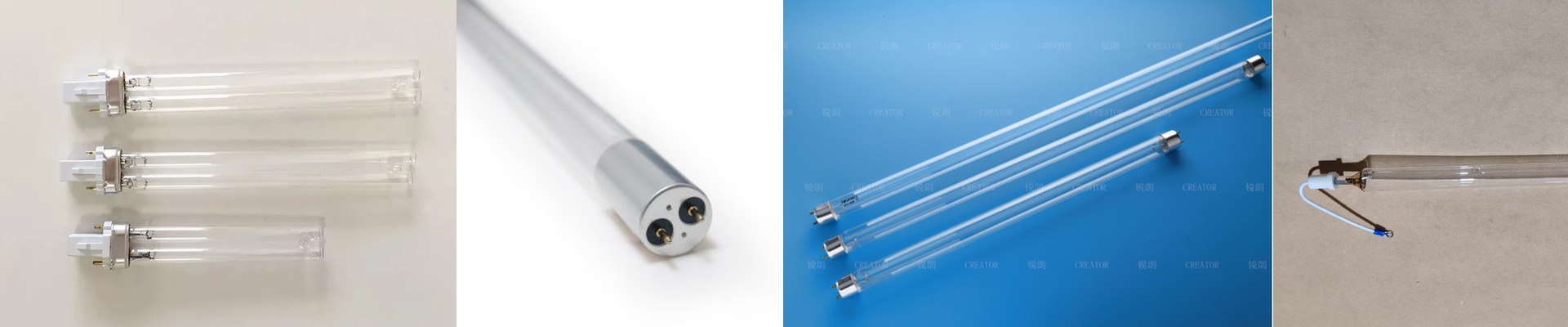
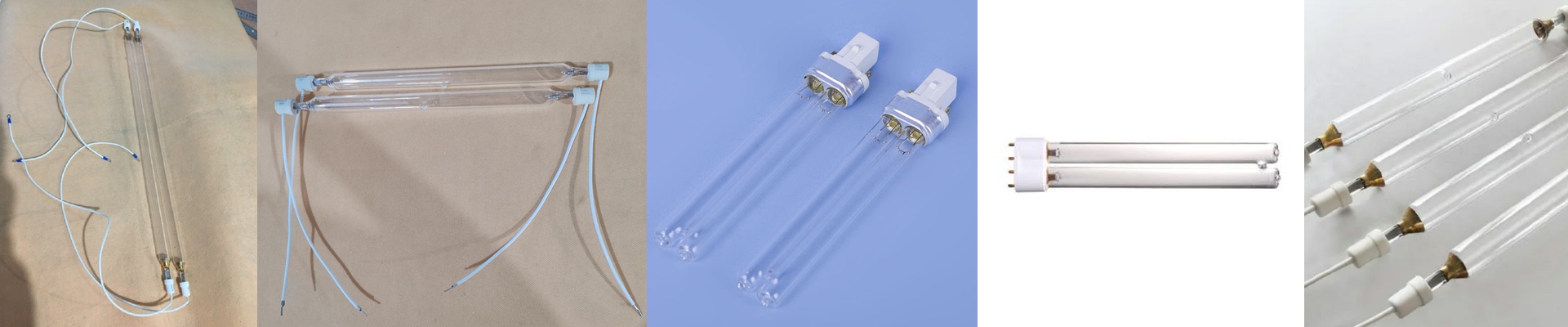
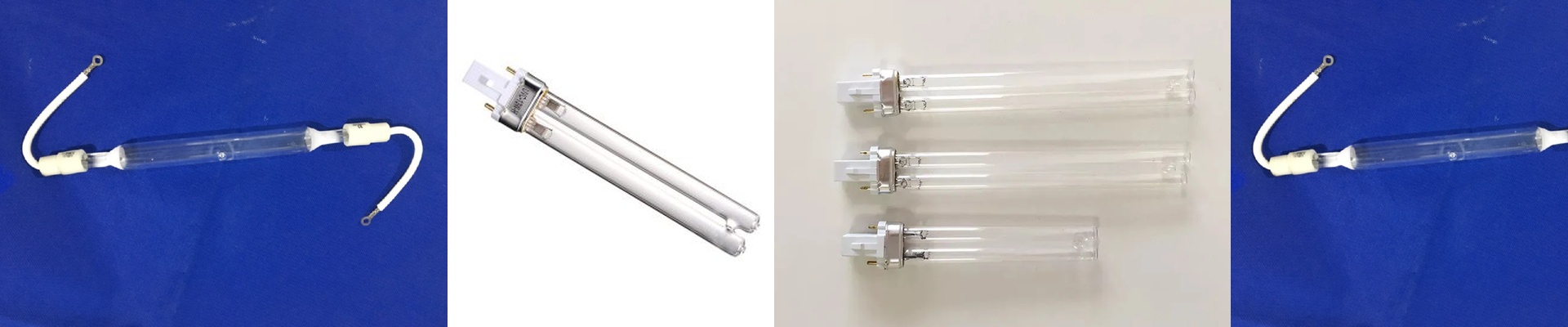
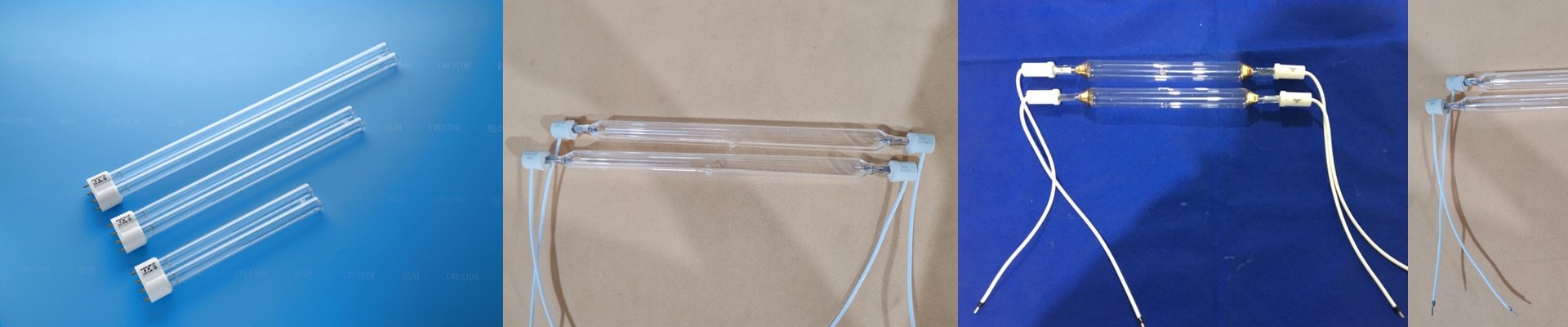

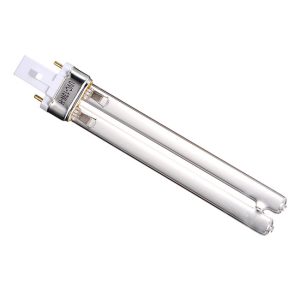
On a high-speed web press, 200 m/min isn’t a goal—it’s the starting line. If your UV system can’t hold steady output while the substrate is flying by, you’re going to see wet-on-wet trapping, adhesion problems, and scrap piling up fast. We built our UV gallium lamp for screen printing around one hard requirement: consistent curing at production speed. What actually matters under the hood We shape the gallium-doped mercury vapor spectrum to stack the energy at 365 nm, right where most screen-printing photoinitiators do their best work. Peak irradiance stays even across the arc length because the reflector uses a dichroic coating matched to the lamp’s spectral output—putting usable UV on the substrate instead of dumping it as heat. And when we talk output stability, we measure it the way you run: lamp life is specified with a low decay rate so intensity doesn’t drift as the hours pile up. Why this holds up at 200 m/min At that speed, dwell time under the lamp is short, so curing comes down to delivered energy density, not just raw wattage. The gallium spectrum gives repeatable cross-linking across the sheet, so you get consistent surface cure and adhesion on coated and uncoated stocks. That means longer runs without trimming speed, and fewer lamp swaps—fewer stops, fewer restarts, and fewer process transients that throw you off. A few shop-floor realities You still have to match lamp output to your stencil thickness and ink opacity. And you’re always limited by the optical path: reflector geometry, lamp-to-substrate distance, and cooling. Install it at the correct focal distance and keep airflow where it needs to be so the quartz envelope stays in temperature; otherwise the spectral output shifts and stability goes sideways. Specify lamp length and end-fit to your curing module so intensity stays uniform across the full print width.