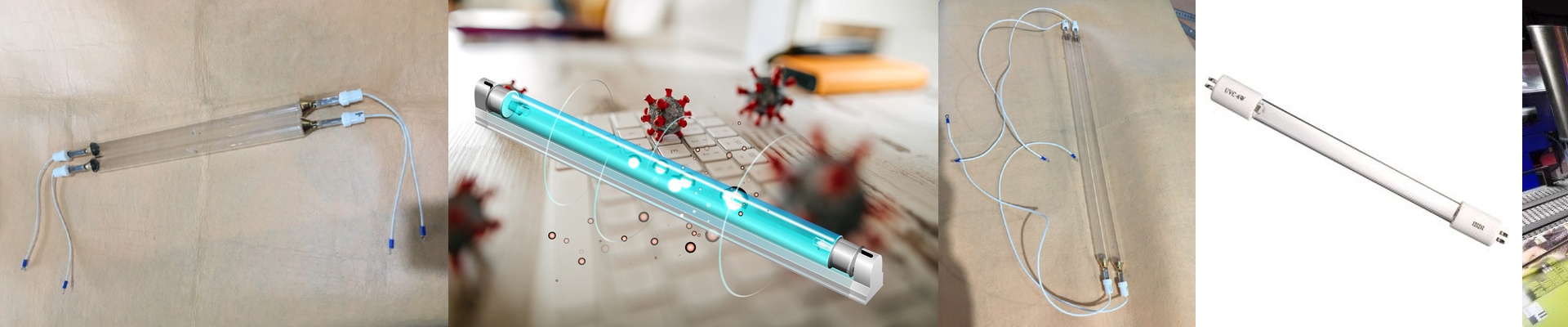
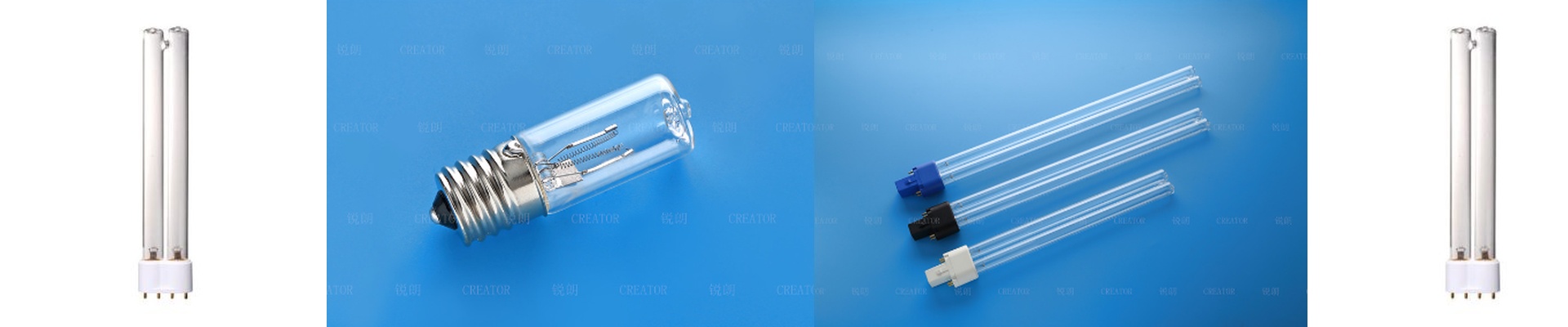
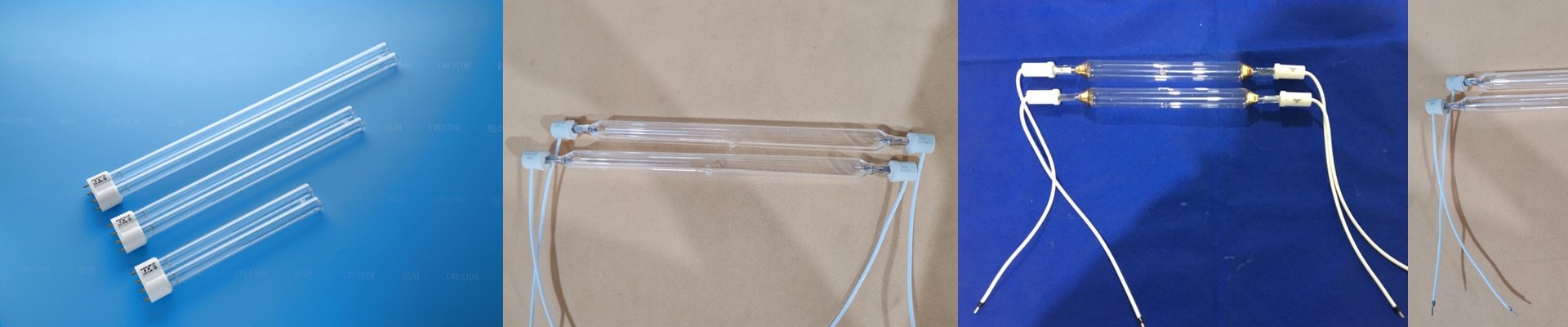
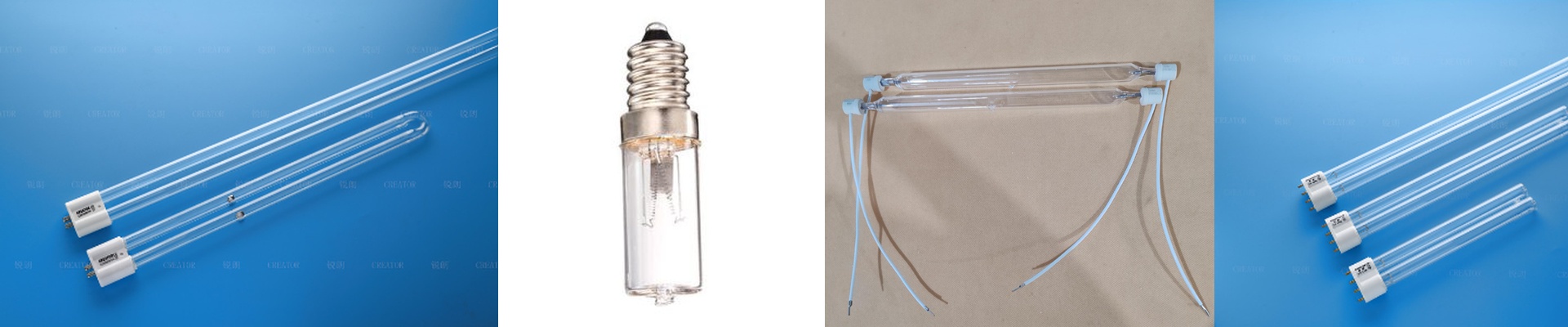
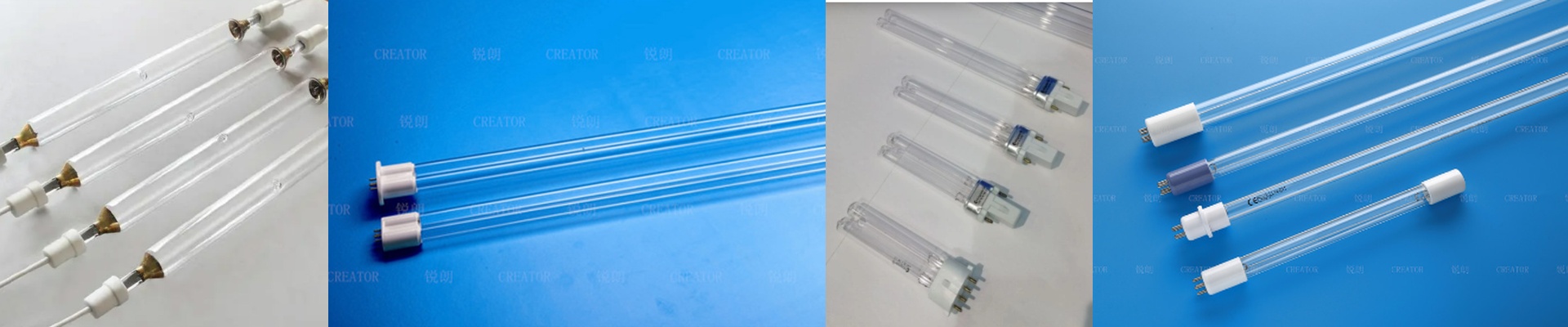
How We Actually Build High-Output UV Lamps That Last
For 15 years, we played the middleman. We did the white-labeling thing, selling other people’s gear. But eventually, we got tired of the markups and the lack of control. We wanted to build lamps that hit the same power and lifespan as the big international brands, but without the “big brand” price tag. So, we started making our own. The secret is in the glass. If you want to kill microbes, you need a very specific wavelength—253.7nm. Most people don’t realize that cheap glass actually blocks those rays. It’s like trying to tan through a brick wall. That’s why we use high-purity synthetic quartz. We also spend a lot of time obsessing over mercury vapor pressure and electrode coatings. Why? Because nobody wants a lamp that flickers or loses its punch in the first 500 hours. It just needs to work. Dealing with the heat High-wattage bulbs get hot. Really hot. When that quartz tube expands and contracts unevenly, the seal pops and the lamp dies. It’s frustrating and expensive. To stop that, we use a specific electrode alloy that doesn’t “sputter.” If you’ve ever seen a UV lamp get cloudy or dark inside, that’s why. Once it clouds over, your sterilization rate tanks. We keep the fill gas pure so the tube stays clear, meaning you aren’t swapping out bulbs every few months. Consistency is everything When you’re buying a thousand lamps for a massive HVAC system or a water plant, you can’t have “close enough.” If a few lamps in the batch are 5% weaker than the others, you get cold spots. Some areas get sterilized, and some don’t. That’s a huge risk. We test every single batch for spectral consistency so you know exactly what you’re getting. One quick tip: if you push these lamps to their max wattage, they’re going to throw off a lot of heat. Make sure your ballasts and cooling fans can handle it. If you skimp on the cooling, you’re just killing your lamp’s lifespan. We give you the raw specs upfront so you can wire it up right the first time and forget about it.