
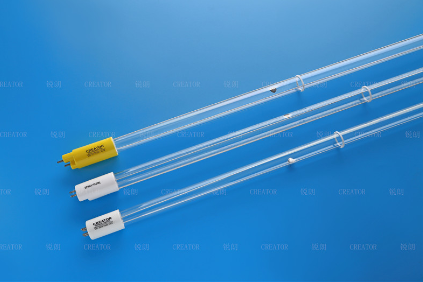
Stop Guessing When Your UV Bulbs Actually Die
If you’ve ever bought germicidal UV bulbs in bulk, you know the drill. You look at the glass quality, check the UVC output, and hope for the best. But the way we handle this is changing. We’re moving away from “dumb” bulbs and toward systems that actually tell us how they’re doing. I’m not talking about some flashy corporate dashboard. I’m talking about knowing exactly how much power a lamp is drawing and how much its light has faded across thousands of units, right now. The problem with “just looking” at a bulb Here is the thing: UV bulbs are tricky. A lamp can look perfectly bright to your eyes, but its ability to actually kill germs might have plummeted weeks ago. It’s still “on,” but it’s not working. That’s why we started putting current sensors and voltage tracking right into the ballast. Instead of relying on a timer—which is basically just an educated guess—the system watches the power profile. When the draw shifts, you get a ping. You replace the bulb because it’s actually worn out, not because a calendar told you to. The trade-off Now, this isn’t a “plug and play” situation with a basic socket. To get this data, you need a bit more gear. We use IoT controllers that send metrics via Modbus or MQTT, which means your wiring has to be a bit smarter. Yes, the hardware costs a bit more upfront. But think about the alternative: sending a technician to manually inspect hundreds of lamps in a massive facility. That’s a waste of everyone’s time. What this actually does for your day-to-day For the people managing the budget, this is a win for the long haul. You stop throwing away bulbs that still had 20% of their life left. More importantly, you stop worrying that a dead bulb is letting contamination slip through because nobody noticed it flickered out. We’ve made these systems work as drop-in replacements for most existing UV arrays. As long as your facility can handle the data, your maintenance team just gets a clean list of exactly which bulbs to swap. No hunting, no guessing, and way less downtime.