
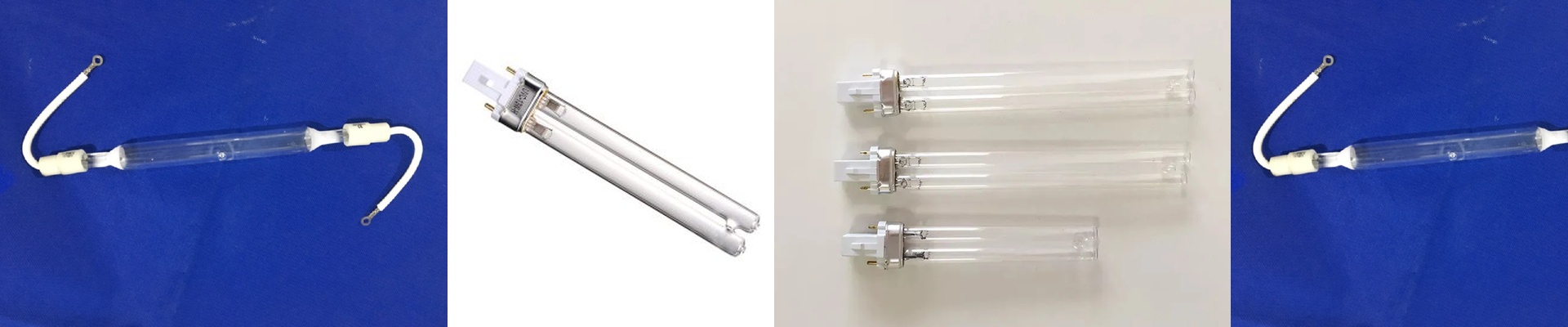
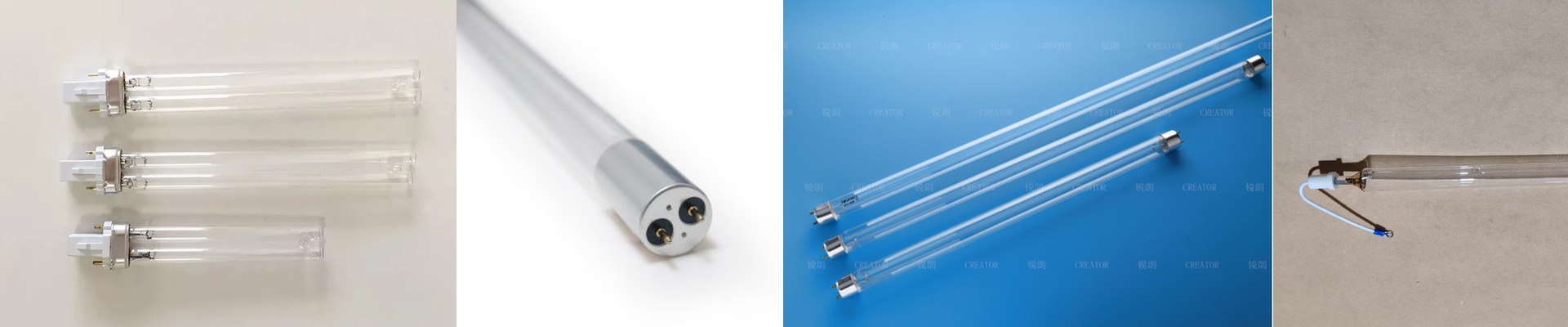
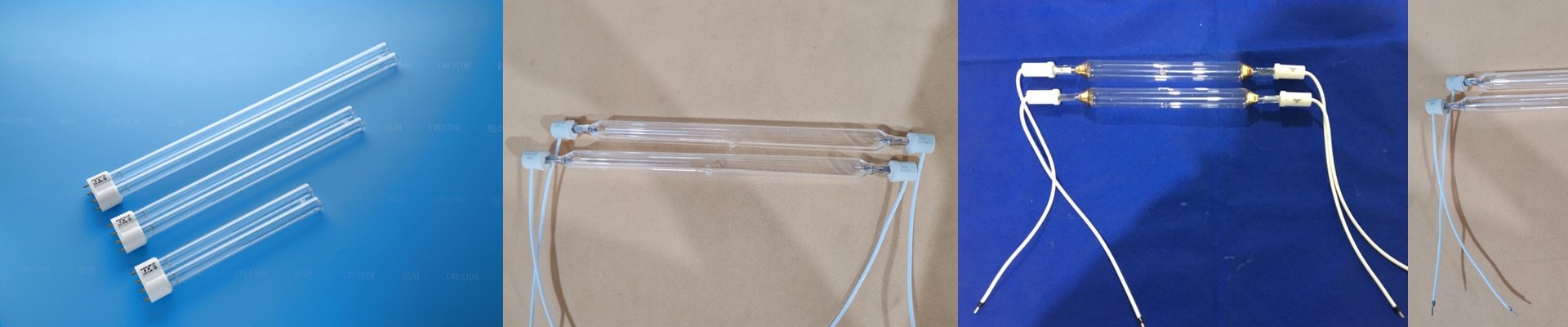
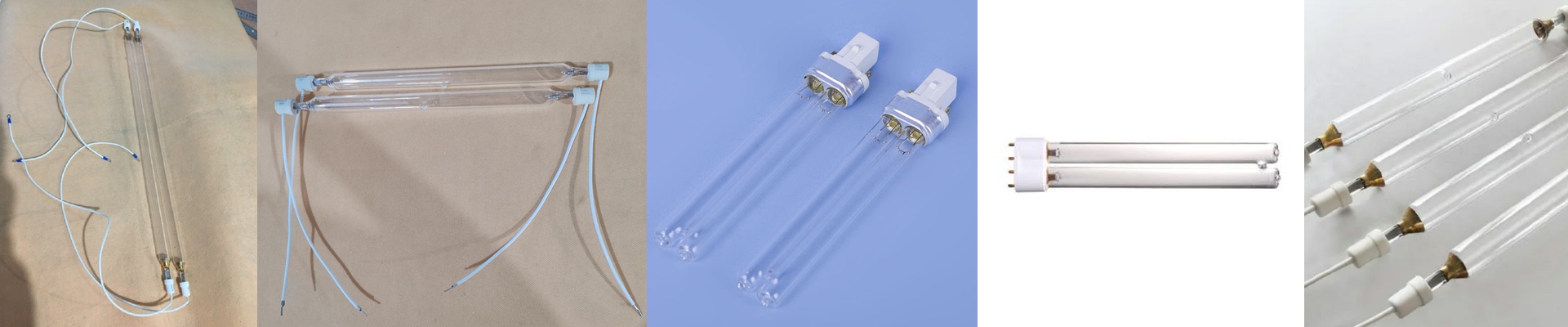
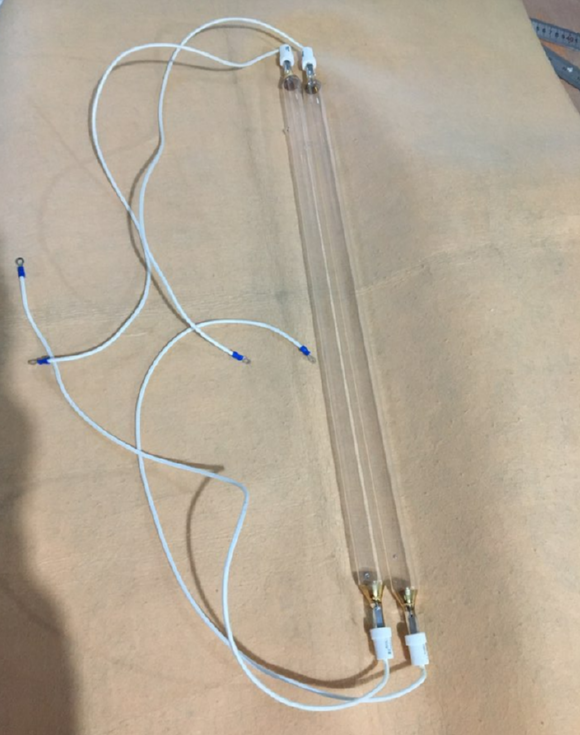
On the press, complex substrates—curved, stepped, irregular—break standard UV curing fast. Conventional lamps throw energy that can’t reach into shadowed areas, and the photoinitiators simply don’t get the photon flux they need. The result is incomplete cross-linking, residual tack, and scrap. We built our UV germicidal and curing bulbs to fix that head-on: shape the energy distribution so every surface gets the dose required for full polymerization. What matters technically These bulbs deliver engineered spectral output, tightly centered on the photoinitiator absorption bands used in offset, flexo, and screen inks. Peak irradiance is matched to the required curing window, so energy density stays consistent across the substrate path. Reflector geometry and dichroic coatings sharpen the beam profile, cutting stray light and concentrating usable output where the part geometry demands it. The lamps run ozone-free, and arc stability keeps output from sagging over the life cycle, so you set curing thresholds once and the process repeats. Why it works on irregular parts For irregular parts, the reflector array is tuned to follow the contour, flattening the energy map so shadowed edges get the same photon flux as exposed peaks. No more dead zones, no under-cured ink in recessed features. The payoff is straightforward: fewer rejects, stable throughput, and less solvent carryover because cross-linking completes within the designed dwell. Energy use drops, too, because the system targets the spectral band the ink actually needs, not a broad, wasteful spread. Here are the things you need to keep straight Matching lamp output to your ink’s photoinitiator window is non-negotiable. If the spectral distribution is wrong, you’ll try to compensate by slowing the line or cranking power—and still chase proper cure. Lamp life is finite. As electrodes age, output declines, so schedule radiometer checks and keep spares on hand. Installation has to be precise: focal distance and alignment matter. If reflectors are mis-seated or standoff is off, you’ll lose the energy uniformity you’re after. Confirm your cure window with a spectral radiometer, and set your process around the minimum energy density the ink requires.