
Keeping Your Printed Textiles Clean with UV-C
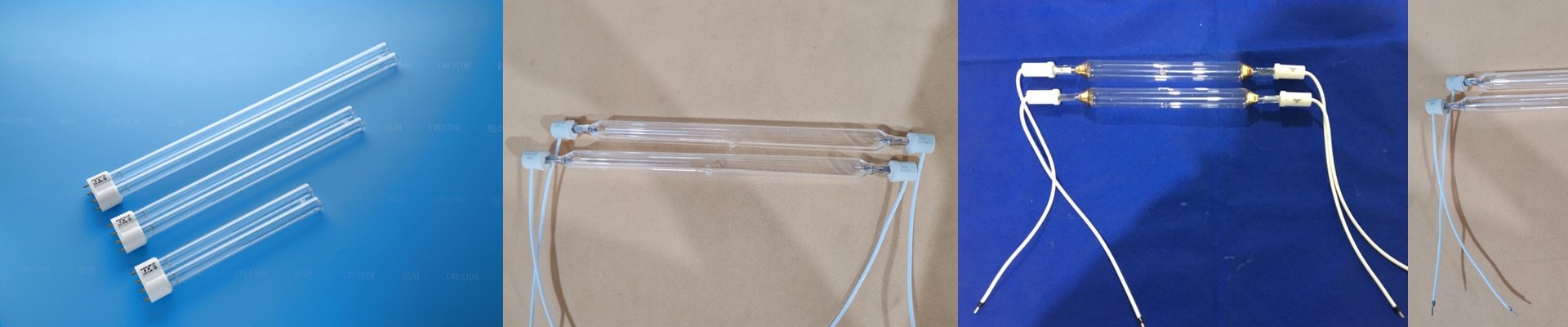
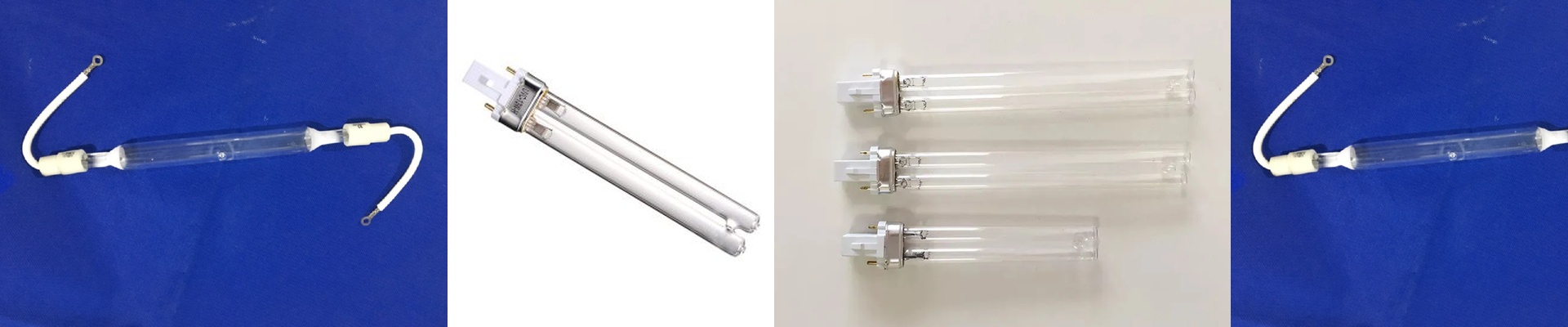
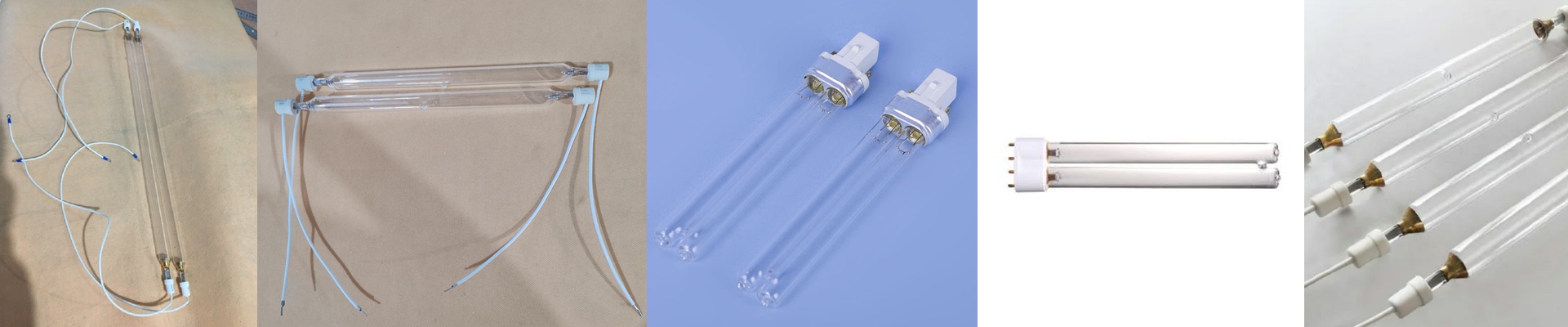
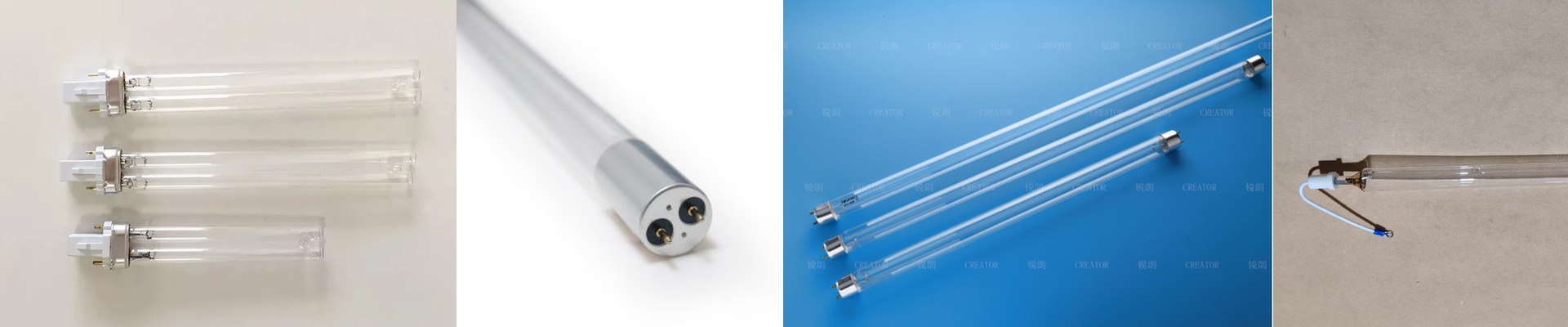
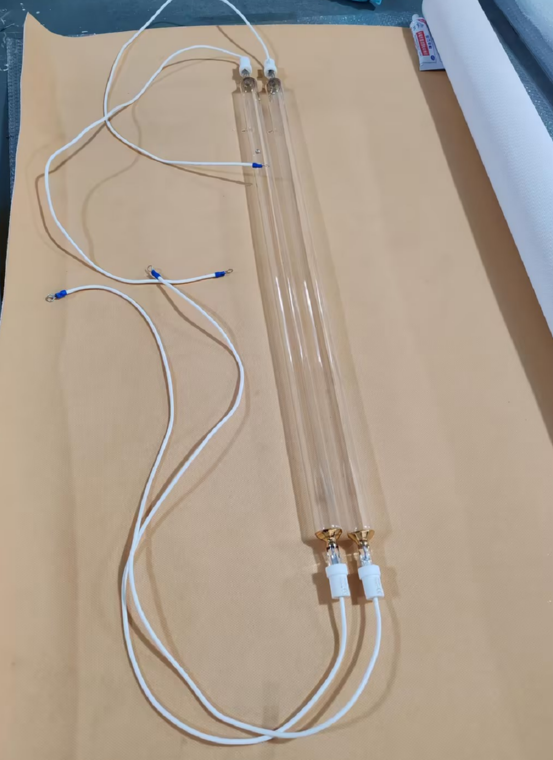
Most people think UV-C bulbs are just for cleaning the air, but in the world of high-end textile printing, they’re a lifesaver. We use them to kill off the tiny microbes that love to mess with ink adhesion or, worse, eat away at the fabric itself. If you’re looking at buying these in bulk, you’re probably planning to build them right into your production line. Here is the real deal on how to make them work. The Science (Simplified) These bulbs hit a sweet spot at 253.7 nm. That specific wavelength basically breaks the DNA of germs. The best part? You get a clean fabric without splashing liquid chemicals everywhere. No bleeding ink, no warped weaves—just clean material. We use high-purity quartz glass for the tubes because regular glass would just soak up all that energy before it ever hit your fabric. Speed, Heat, and the Trade-off This is where it gets tricky. You have to balance how much power you’re using against how fast your conveyor belt is moving. Want to speed up the line? You’ll need higher wattage bulbs to keep the “hit” strong enough. But there’s a catch. These things get hot. Really hot. If your cooling fans aren’t up to the task, the lamps will overheat and your UV output will tank. Keep an eye on the temperature around the ballast. It’s a simple check, but it stops your bulbs from burning out way too early. Keeping Things Running We designed these to be “drop-in” replacements, so you aren’t wasting time on complicated installs. But here’s the thing: you can’t tell when a UV-C bulb is dying just by looking at it. The light is invisible. You won’t see it dimming, but after about 8,000 hours, you’ve usually lost 10-20% of your power. **Don’t guess.**Either track your hours on a calendar or grab a UV radiometer to check the actual strength. One last tip: wire them to a dedicated ballast. It protects the filaments from those annoying voltage spikes that can snap them in a heartbeat.