
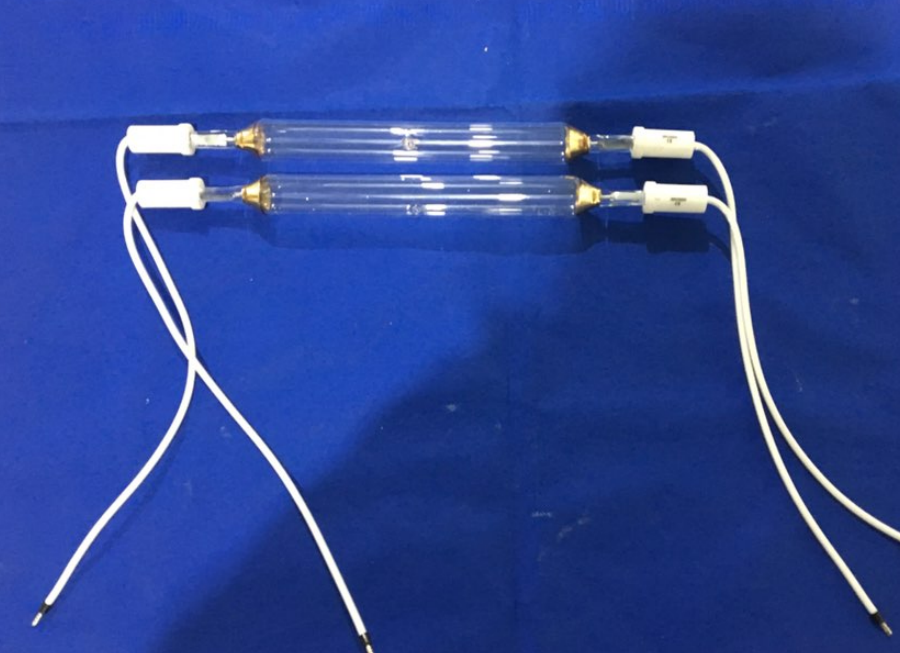
Let’s Talk UV Lamp Safety
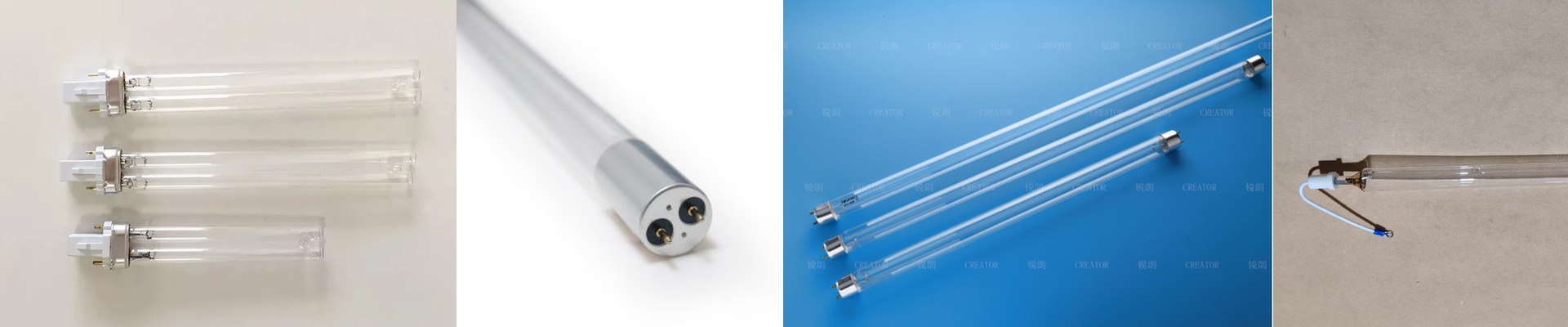
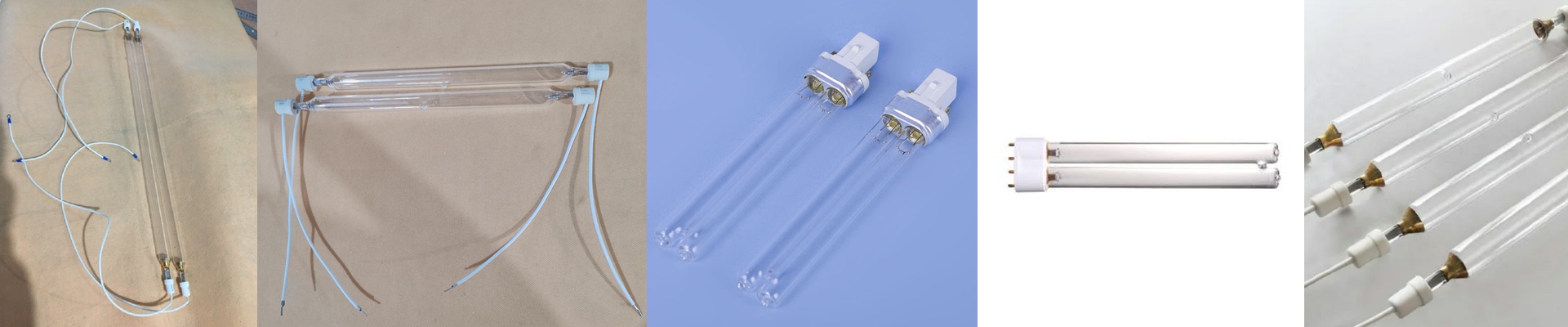
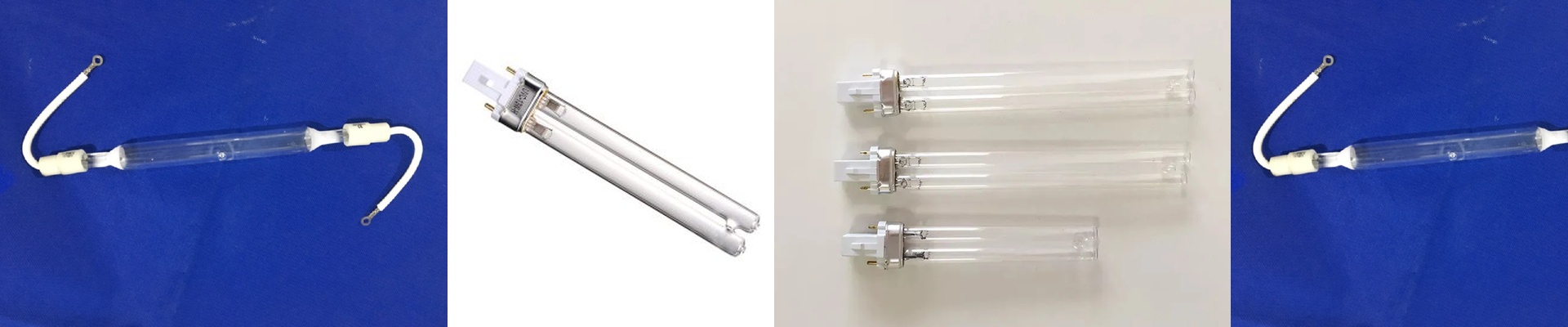
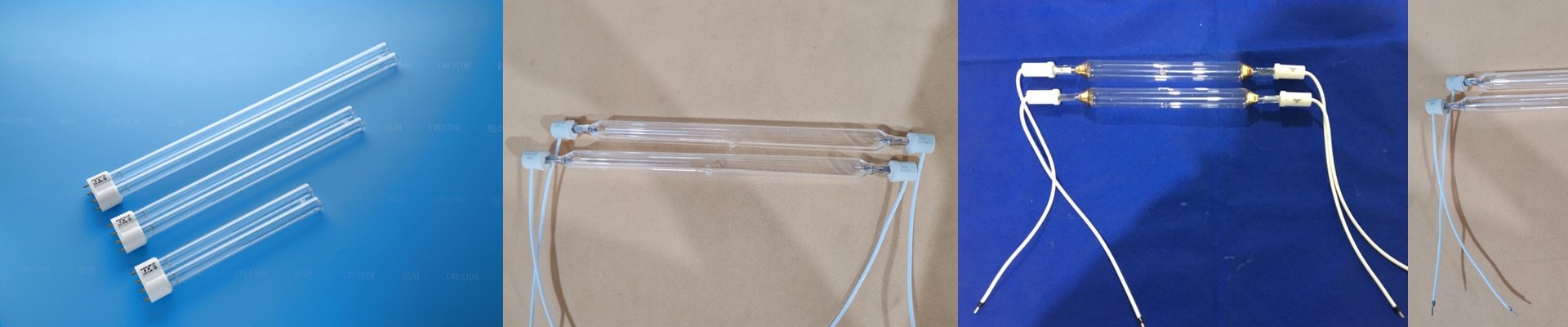
If you’re running a small or medium printing shop, you know that UV lamps are a lifesaver for curing inks and keeping surfaces sterile. But here’s the thing: these lamps work by blasting short-wave radiation (specifically around 253.7 nm), and that stuff doesn’t play around. When we build our custom systems, we’re always chasing that sweet spot—giving you plenty of power to get the job done without putting your team at risk.
Keep the Light Where it Belongs
UVC radiation is nasty. It can burn your skin and wreck your corneas before you even realize what’s happening. The scariest part?**You can’t see it.**You won’t see a flash or a glow to warn you that you’re in danger. That’s why we tuck our lamps into opaque, enclosed housings. If your specific setup needs an open frame, please, do yourself a favor and install UV-filtering polycarbonate shields. They block everything below 380 nm. And for the love of your eyes, use interlock switches on every single access panel. The power should kill instantly the second a door swings open. No exceptions.
Heat is the Enemy
High-output lamps get hot. Really hot. If your airflow gets blocked, that quartz envelope is going to stress out and burn out way faster than it should. You’ve got to pick your exhaust fans based on the total wattage of your array to keep things cool. We use reinforced electrodes to help the hardware survive those constant heat cycles. But remember, bad ventilation doesn’t just kill your equipment—it actually messes with how your ink cures. If the air is stagnant, your quality drops.
The Trade-offs
It’s tempting to just crank up the wattage to speed up your curing time. But there’s a catch: more power means more ozone. Ozone is a lung irritant, and if you’re working in a tight shop, you can’t run high-wattage lines without a dedicated extraction system. It’s just not safe. We’re all about making high-quality, custom lamps affordable for the little guys. We want every shop to have the best gear. But that means you have to be the one looking out for your shop-floor wiring and ventilation. One last tip:Don’t mess with the ballast settingsto force more power into a tube. You’ll kill the lamp’s lifespan and you might even trigger an electrical arc. It’s just not worth the risk.