
Getting UV Curing Right for Textile Printing
We build modular UV curing systems because, let’s be honest, curing ink on fabric is tricky. You aren’t just shining a light on some cloth; you’re trying to lock pigments deep into the fibers without accidentally scorching the material. It’s a delicate balance.
Why we go modular
Here’s the thing about modular arrays: they let you scale. If you’ve got a wide conveyor, you can just keep adding lamps in a series. This kills those annoying “dead zones” where the ink stays tacky and ruins the batch. And if you speed up your press? Just swap in higher-wattage modules. It ensures the ink is bone-dry and fully set before it even touches the take-up reel. Simple.
Dealing with the heat
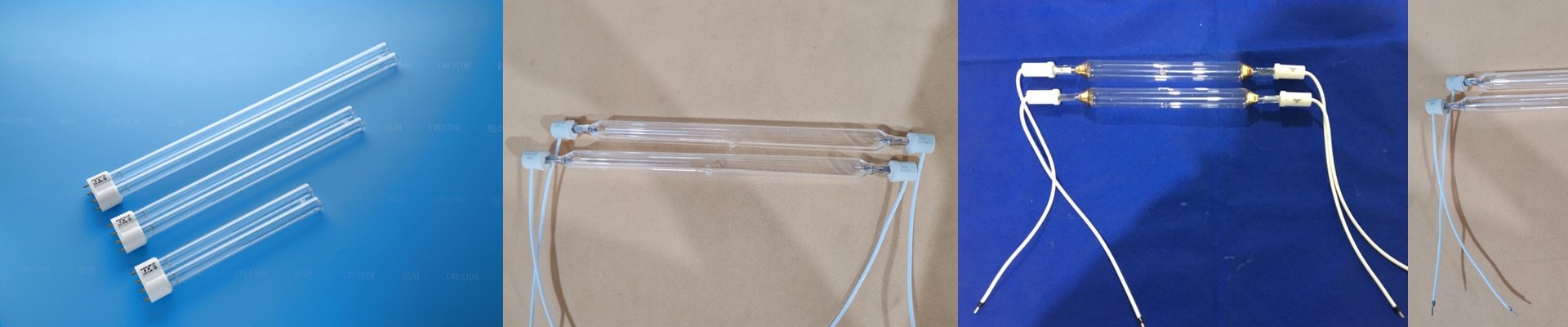
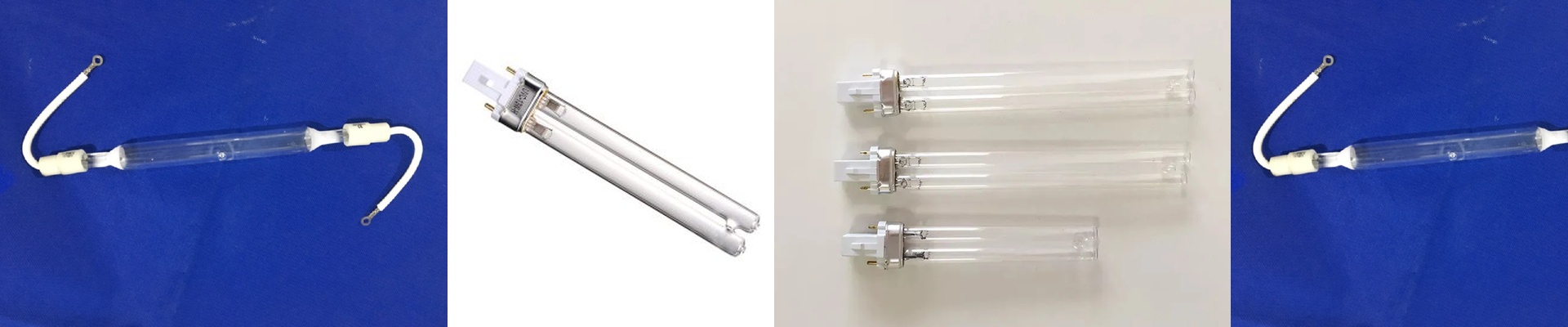
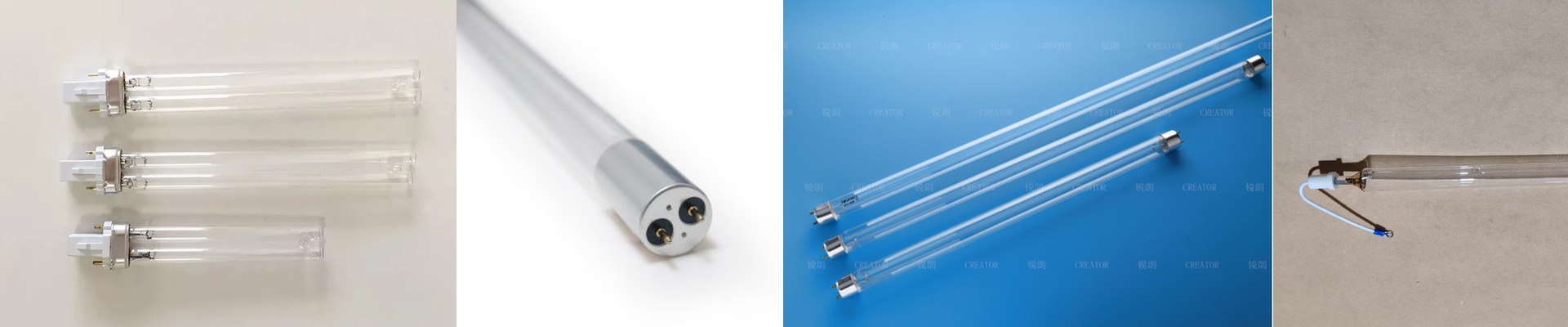
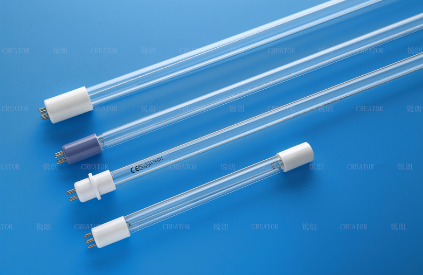
UV lamps get hot. Really hot. To handle that, we use quartz glass envelopes. They let the UV light through but keep the internal arc temperature where it belongs. We also wrap everything in reflective aluminum housings. This pushes the photons down onto the fabric and keeps the heat from warping your substrate or turning your white shirts yellow. But a word of warning: keep an eye on your cooling. A high-density array puts a massive strain on your exhaust fans. If your airflow is weak, your lamps will burn out faster and your curing chamber might actually warp. Not a fun day at the office.
No-headache maintenance
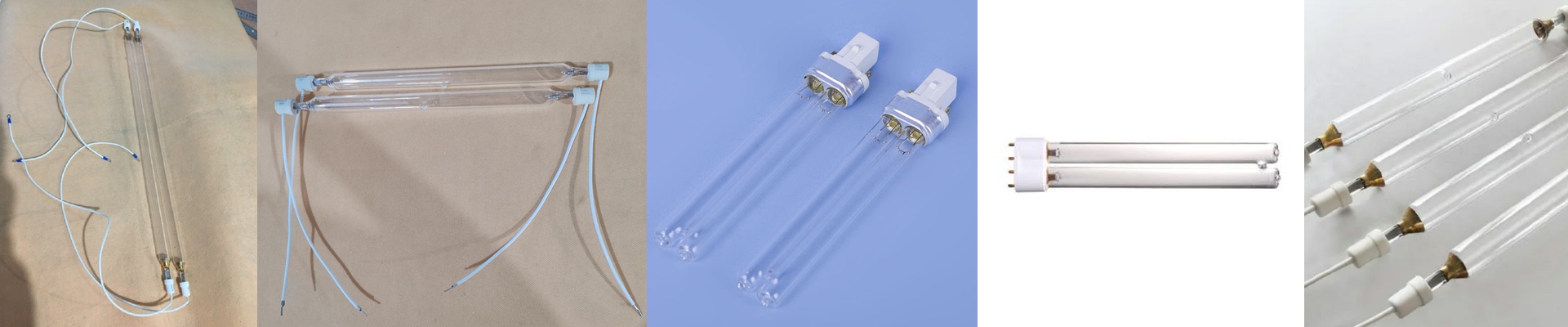
We hate downtime as much as you do. That’s why we use standardized connectors. If a tube burns out, your floor techs can just pull it and drop in a new one. No rewiring the whole rack, no calling in a specialist. Just swap and go. Under the hood, it’s all about a quick photochemical reaction. The UV light hits the photoinitiators in the ink and turns liquid monomers into a solid polymer chain in a split second. If your lamp intensity dips, you get “under-cure.” That’s when the ink starts migrating or—even worse—washes right out of the garment. And nobody wants a customer complaining that their shirt faded after one wash.