
Getting the Light Right: The Truth About UV Curing
We don’t just slap together lamps. We obsess over photons. See, most off-the-shelf UV lamps are messy. They leak energy into parts of the spectrum you don’t even need. That’s just wasted power, and worse, it’s a great way to accidentally overheat your parts. We fix that by being picky—really picky—about the quartz grade and the gas fill. We aim for a tight, narrow peak so you get exactly what you need and nothing you don’t.
Balancing Power and Penetration
Here’s the thing: curing a thin film is one thing, but a thick layer of resin is a different beast. You need the light to actually reach the bottom of the coating without scorching the top. To make that happen, we tweak the arc geometry and the power density. It’s a balancing act. If you’re running a fast conveyor, you’ll probably want a high-wattage setup to keep your throughput up. But there’s a catch. When you cram that much power into a small space, things get hot. Fast. If your exhaust system can’t pull that heat away, your quartz envelope is going to degrade way sooner than it should.
The Nitty-Gritty: Materials and Testing
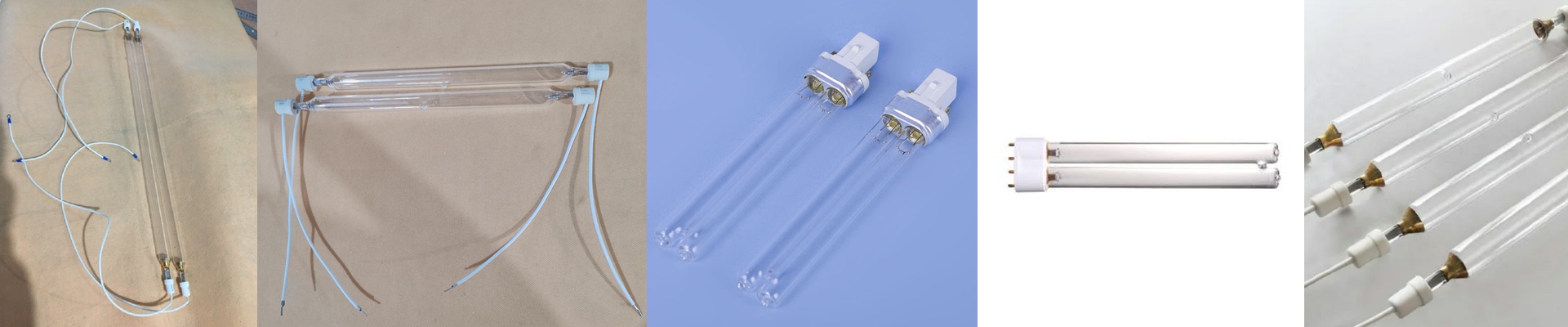
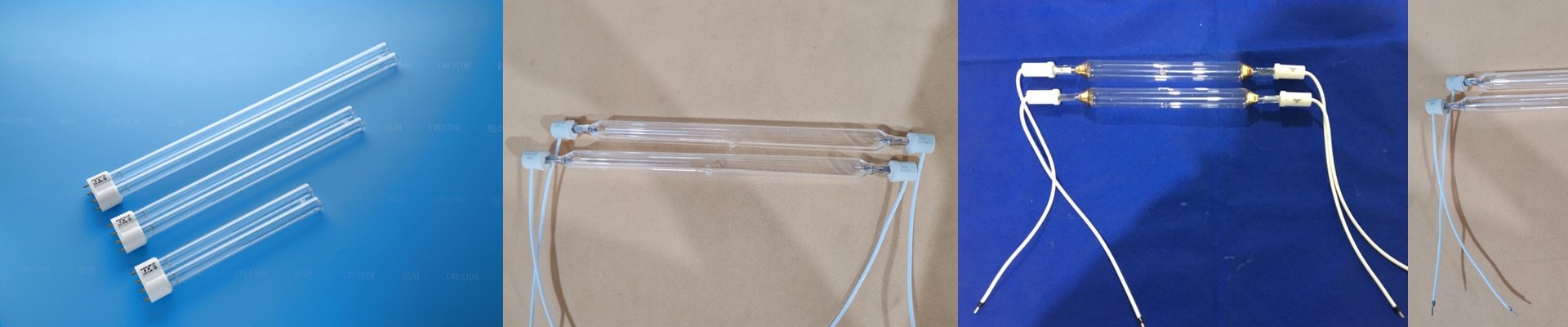
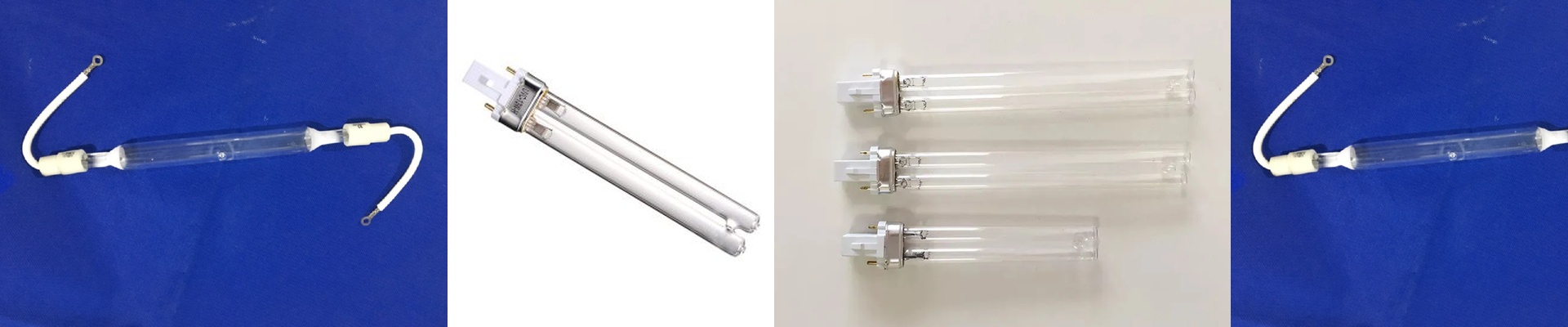
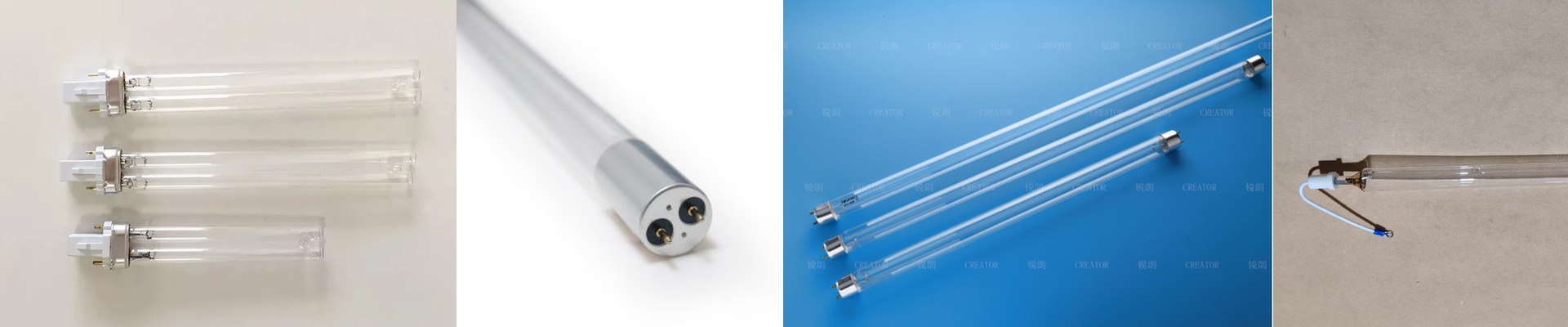
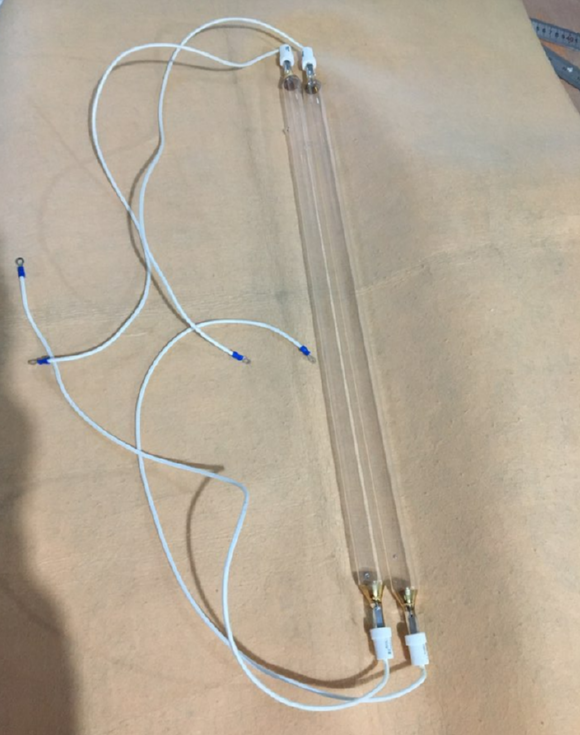
We use high-purity fused silica. Why? Because standard glass is basically a wall to UVC and UVB rays—it blocks them completely. We don’t just trust the supplier, either. Every batch goes through a spectrophotometer in our lab. We check the spectral purity to make sure the output lines up perfectly with your photoinitiator’s absorption peak. If it doesn’t match, it doesn’t ship. And we’ve had enough of generic connectors. They’re a liability. We use industrial-grade terminals that won’t arc or melt when the current gets heavy. It means your lamp stays seated and doesn’t burn out at the contact point, even if you’re running 24/7.
Built for the Actual Shop Floor
Nobody wants to rewire their entire cabinet just to swap out a lamp. That’s a nightmare. So, we build everything to your exact dimensions and voltage. Because we narrow the spectral output right at the source, you don’t need those heavy, clunky filters. More photons actually hit your part. Your cure times drop. Your energy bill goes down. It just works.