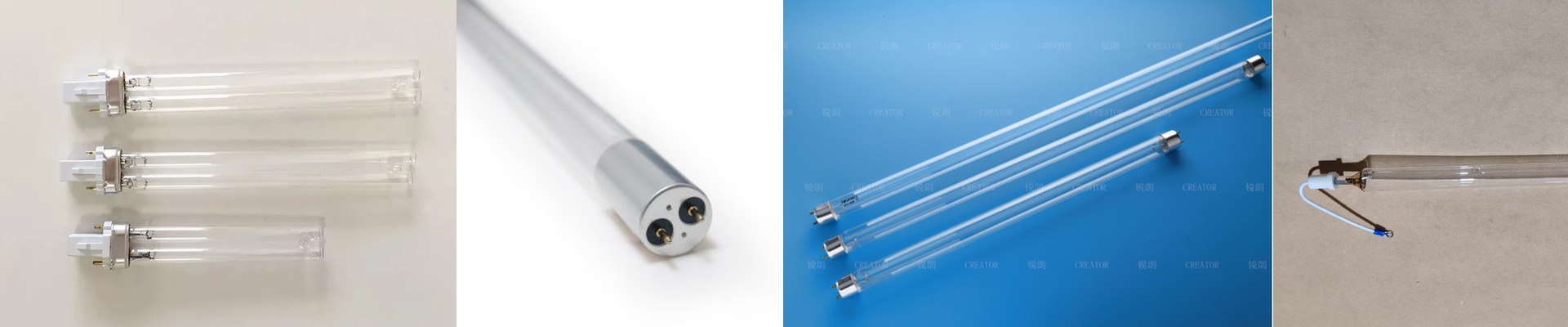
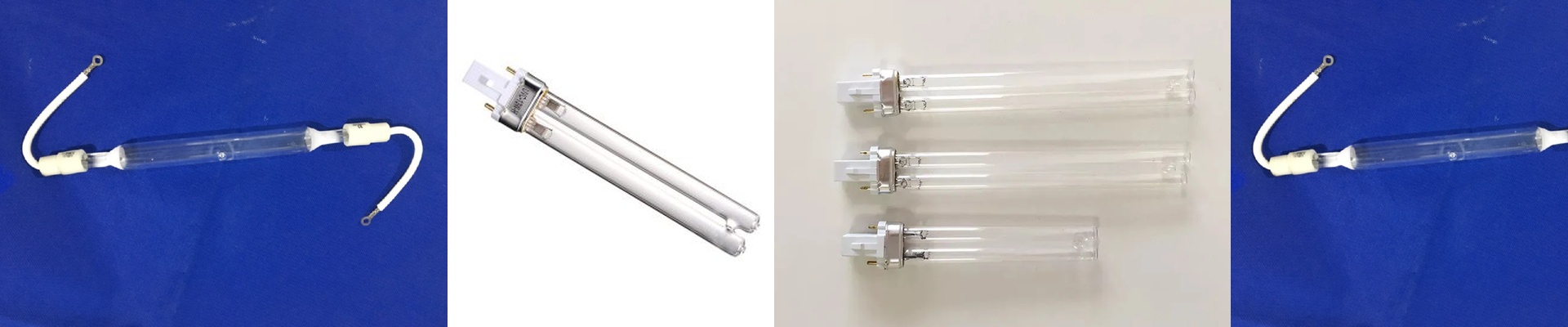

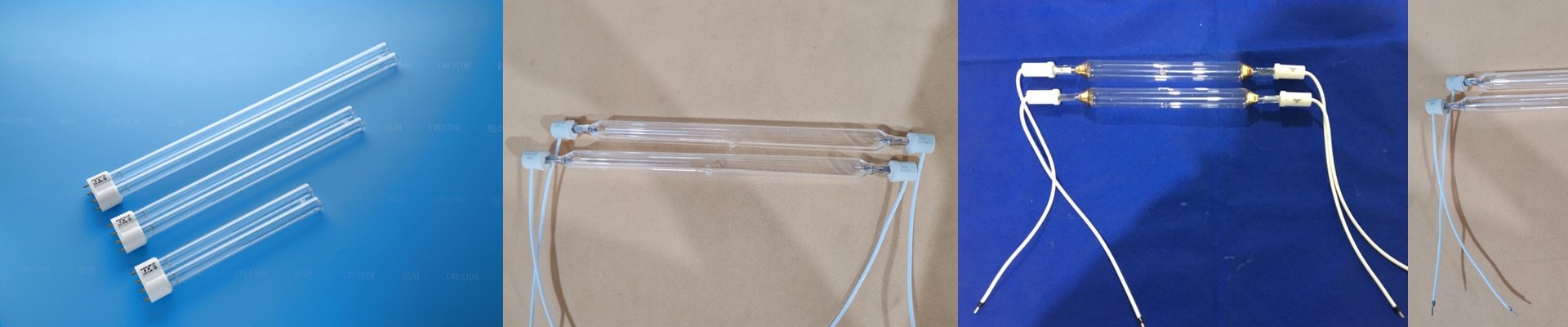
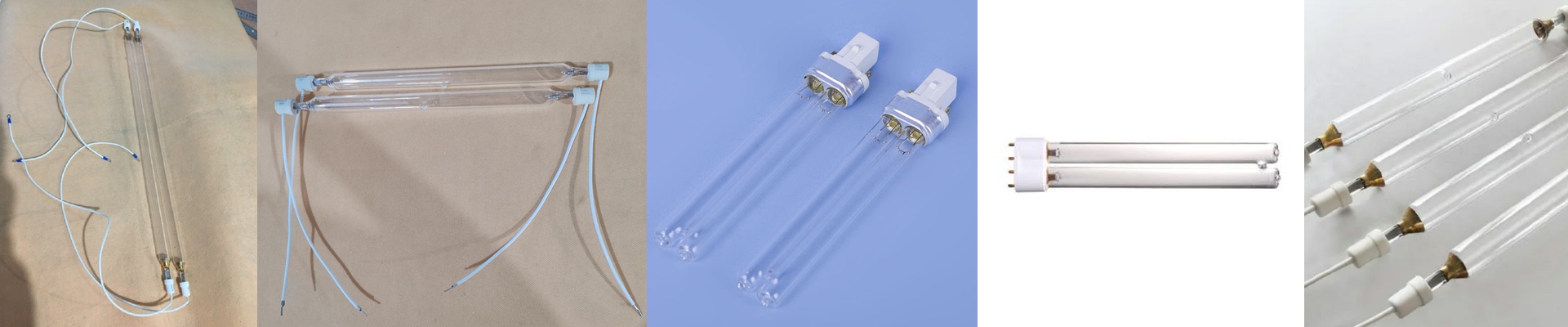
Stop Guessing When Your UV Lamps Are Going to Die
For a long time, industrial UV curing has been a “set it and forget it” kind of deal. You turn the lamp on, hope for the best, and pray you don’t wake up to a mountain of scrapped parts because a bulb gave out overnight. It’s a stressful way to run a floor. That’s why we’re moving toward treating the lamp as a data point. By putting remote energy monitoring right into the assembly, we can finally stop the guessing game.
How it actually works
Most UV lamps just pull a steady stream of power. But here’s the problem: the power draw might stay the same while the actual light output drops. That’s when your cure fails. We’ve started embedding power sensors and IoT gateways directly into the housing. Now, instead of wondering, you can just glance at a dashboard and see the actual wattage and spectral decay. You’ll see the intensity dipping**before**the line stops. It’s not even about saving electricity. It’s about knowing exactly when that tube is about to hit its limit.
The tricky part (The Hardware)
It sounds simple, but UV lamps get hot. Like, really hot. If you just slap some electronics next to the quartz envelope, they’ll fry in minutes. We had to use isolated sensor modules and shielded cabling to keep everything cool and—more importantly—to stop the high-voltage ballasts from messing with the signal. One heads-up, though: your network has to be up to the task. If your plant has dead zones or flaky Wi-Fi, a “smart” lamp is just a regular lamp with expensive parts inside.
Making the line smarter
The real magic happens when you hook these lamps into your PLC. Imagine this: the energy monitor picks up a 10% dip in UV intensity. Instead of the parts coming out tacky, the system just automatically slows down the conveyor. The parts get the dose they need, and the line keeps moving. No sudden downtime. No panic. You stop changing bulbs because the calendar says it’s Tuesday, and you start changing them because the data tells you it’s time. It just makes sense.