
Stop Fighting Your UV Curing Setup
Most industrial UV curing systems are a pain because they’re rigid. You get a fixed-length array, and if your project changes, you’re stuck. We decided to do things differently. We build modular UV curing systems that actually bend to your needs. Whether you’re switching print head widths or cranking up the conveyor speed, you just scale the curing zone to match. It’s that simple.
Getting the Cure Right
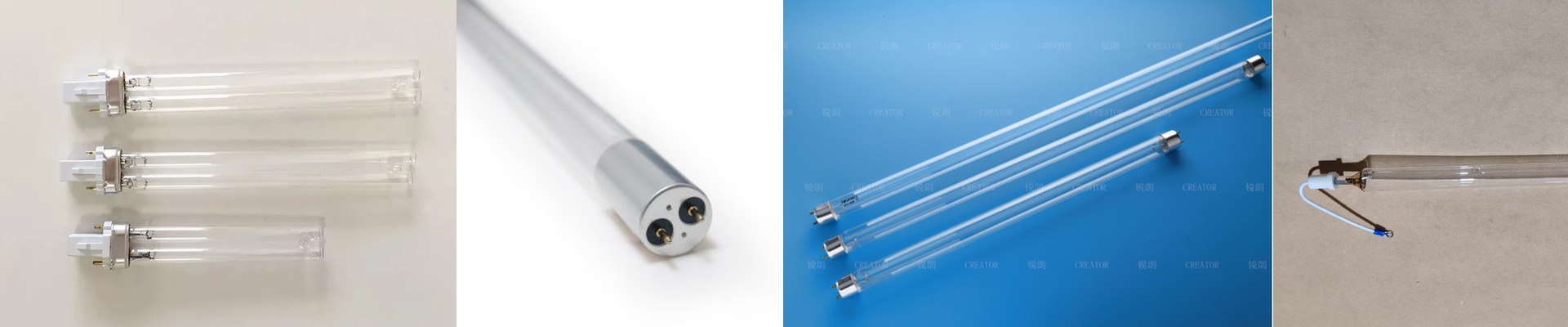
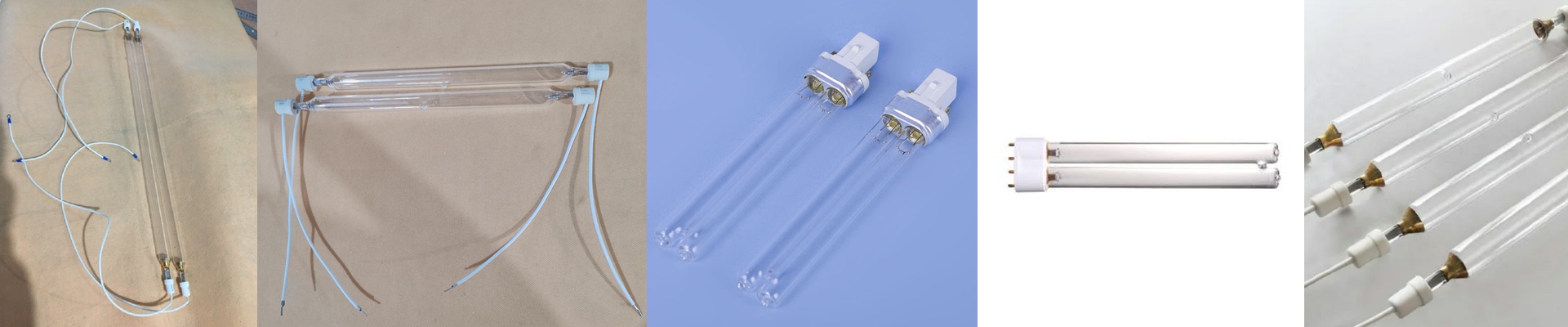
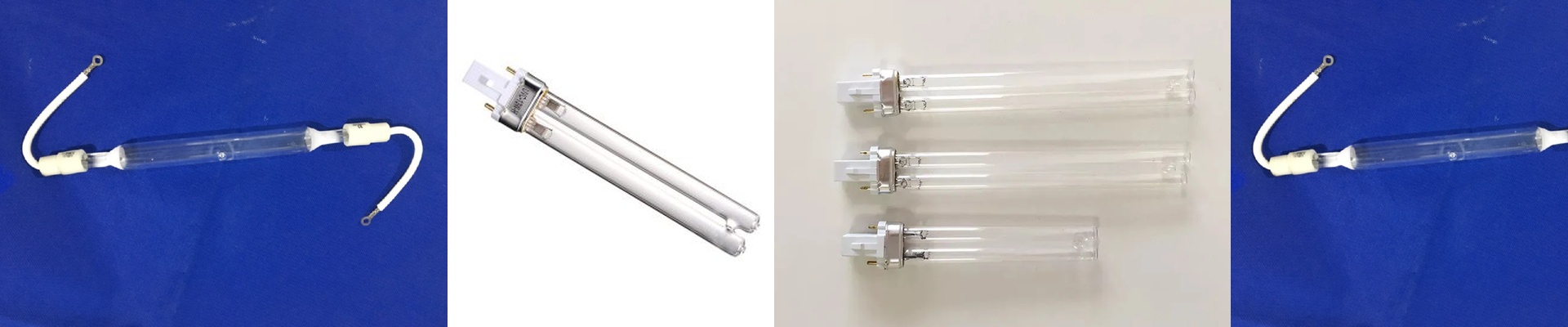
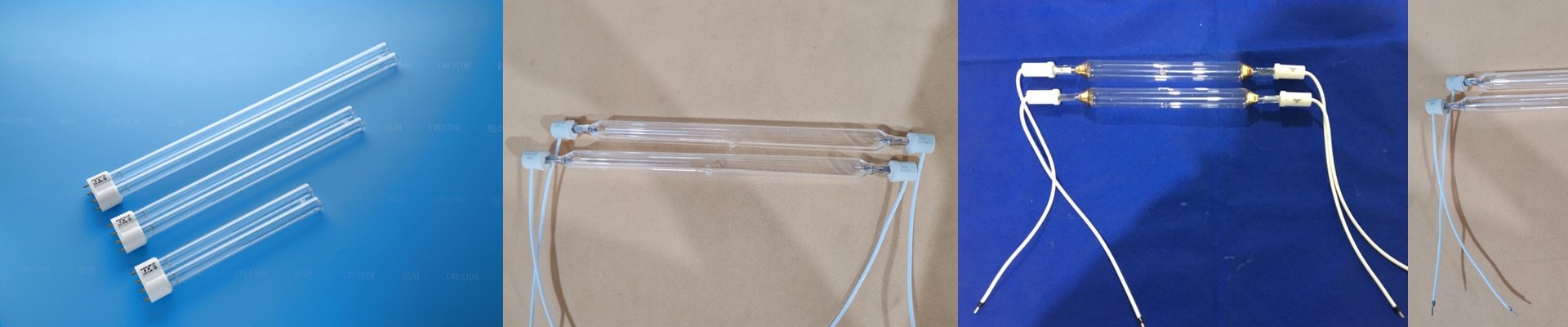
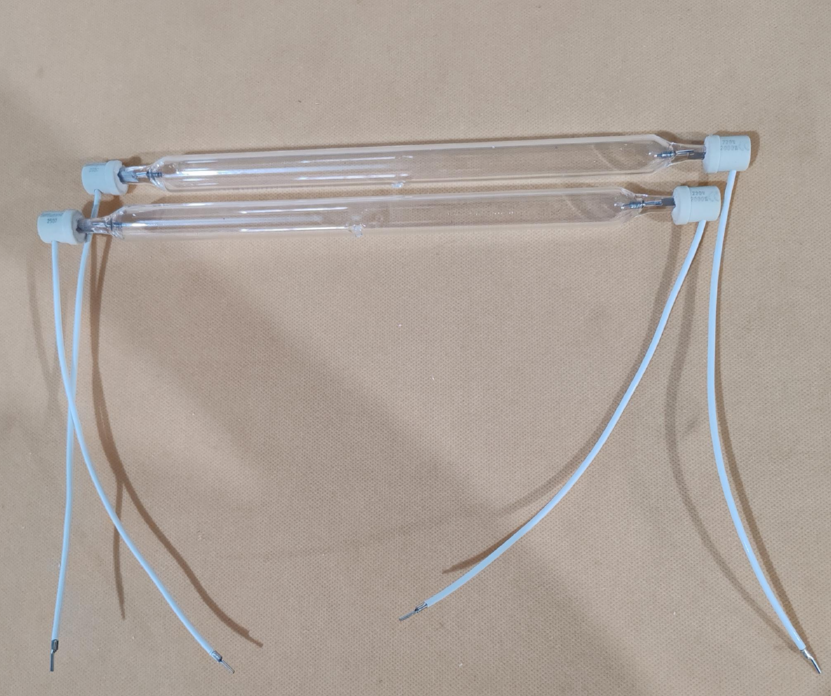
The real magic here is in the modules. You can swap lamp segments in and out without having to tear down the whole housing. Here’s how it works: we use high-intensity emitters that hit the photoinitiators in your textile inks exactly where they need it. If you decide to speed up your production line, you don’t have to pray the ink dries. You just add more modules. More modules mean more power (irradiance) hitting the fabric, ensuring every single inch is fully cured, no matter how fast it’s moving.
Dealing with the Heat
Let’s be honest: these lamps get hot. Really hot. To keep your fabrics from scorching or shrinking, we use quartz glass envelopes to keep the arc contained and a reflective aluminum housing. This pushes all that UV energy straight down onto the fabric and keeps it away from everything else. But there’s a catch. You have to keep an eye on your cooling. High-wattage modules dump a massive amount of heat into the machine frame. If your exhaust fans can’t keep up, the lamp temperature spikes. When that happens, the emission spectrum shifts, and suddenly your ink isn’t curing properly.Don’t skimp on the fans.
Setup and the “Uh-Oh” Moments
We designed these to be drop-in replacements. No headaches. If a tube burns out, your maintenance team can swap it in a few minutes. There’s no need to spend the afternoon rewiring the main power distribution, which means your downtime stays almost non-existent. We also added reinforced sockets. Why? Because high-speed production creates vibrations, and the last thing you want is a lamp shaking loose in the middle of a big run. Just make sure your power supply matches the number of modules you’ve plugged in, and you’re good to go.