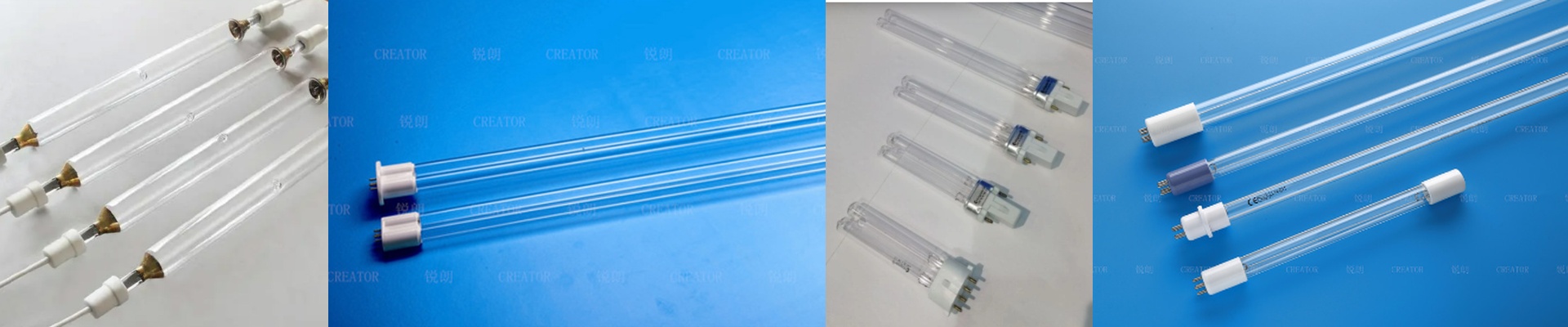
Let’s Talk About Gallium Iodide Lamps
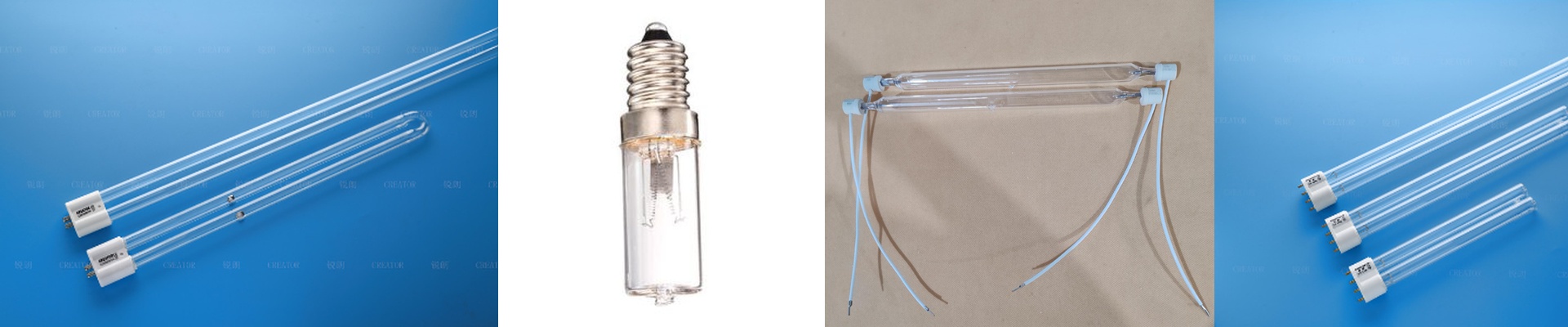
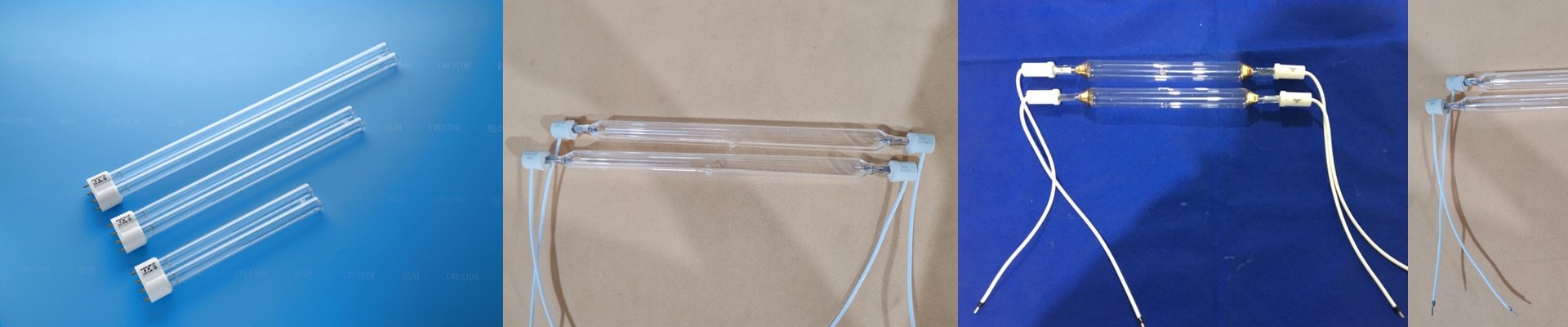
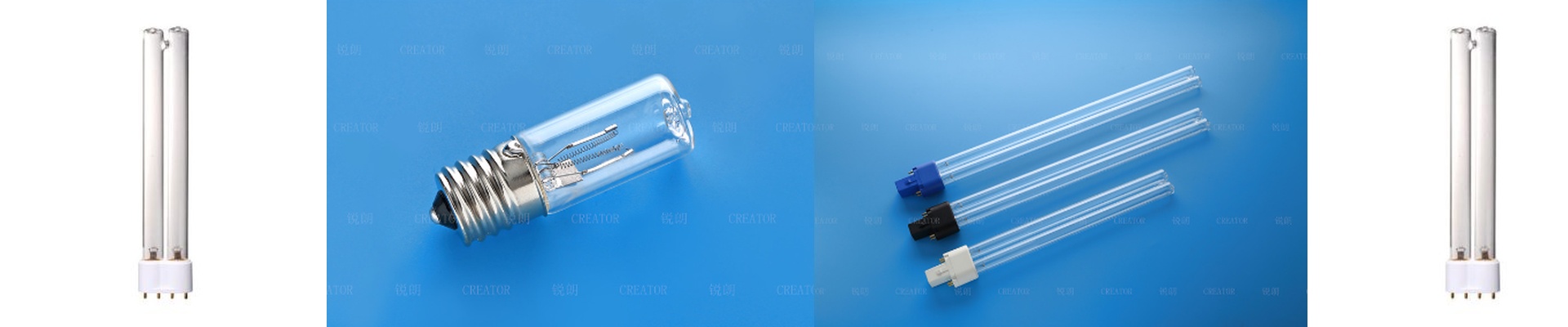
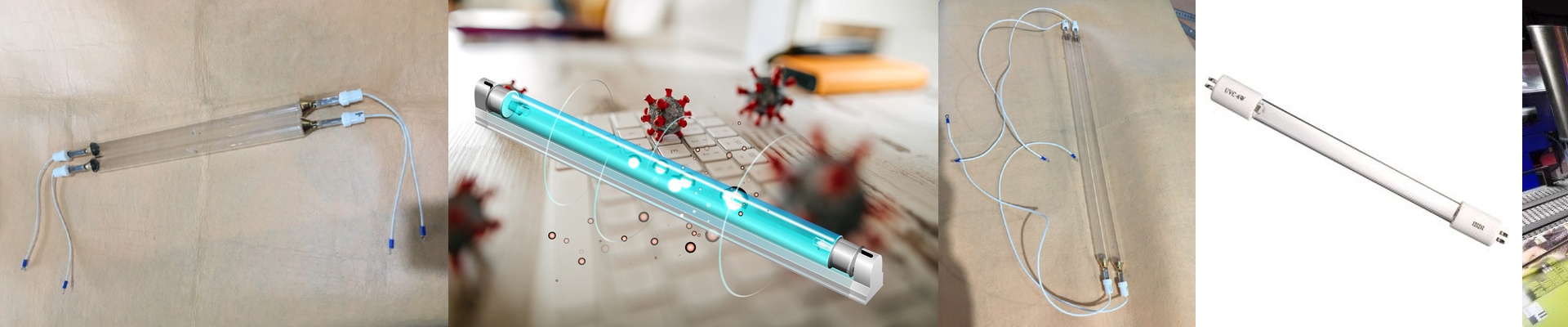
Look, these aren’t your typical heat lamps. We don’t make them for general use. We build GaI lamps for those annoying gaps in the spectrum where your standard tungsten or halogen bulbs just give up. The real magic happens at those specific peaks—usually around 415-430nm and 500-510nm. If you’re working with photo-initiating resins or picky chemical catalysts, you know the deal. They only wake up when they hit those exact photons. Anything else is just wasted energy.
The Trade-offs (And How to Handle Them)
Getting those peaks right is a bit of a balancing act. We have to be obsessive about the fill pressure and the purity of the quartz. We use high-grade fused quartz because, frankly, there’s no point in creating UV-blue light if the bulb itself is just going to soak it all up. One heads-up:these things run hot. To keep the light stable and the spectrum pure, the temperature has to stay in a very tight window. If your cooling system starts to lag, the spectrum will drift. Then, your reaction rates tank, and you’re left wondering why the chemistry isn’t working. Just make sure your housing is sturdy enough to take the heat without warping.
Getting Them Into Your Lab
We’ve made these easy to swap into your existing research spectrometers or industrial curing lines. Most of our units use standard industrial bases, so you won’t be fighting with the wiring. Now, here is the tricky part: degradation. Gallium compounds are volatile. We’ve done our best to stabilize the internal chemistry to stop the active material from burning out too quickly, but it’s still a consumable. You’ll see the intensity dip over time. It’s predictable, but it happens. My advice for the engineers?Plan for the end. Don’t build your power budget around that initial, blinding peak. Calculate it based on the output the lamp will have near the end of its life. We’ll give you the exact spectral distribution curves so you can tune your optics perfectly and stop wasting power on wavelengths you aren’t even using.