
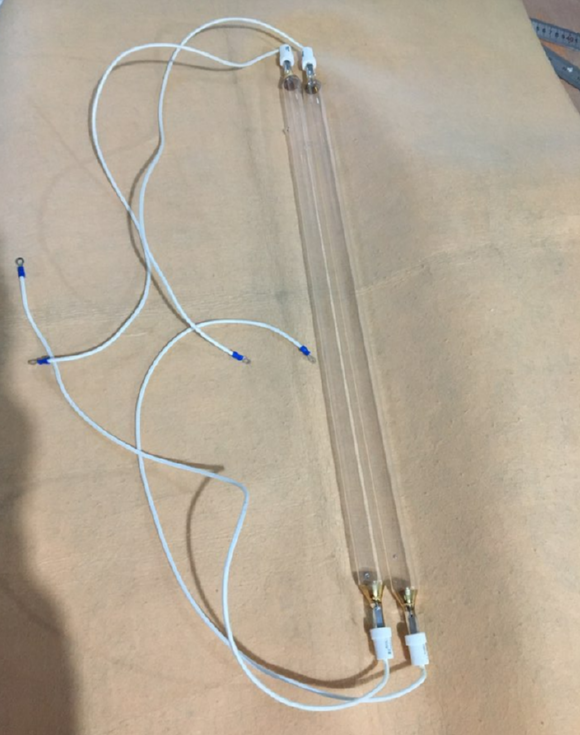
Why Patented Gallium Iodide Lamps Actually Matter for Your Bottom Line
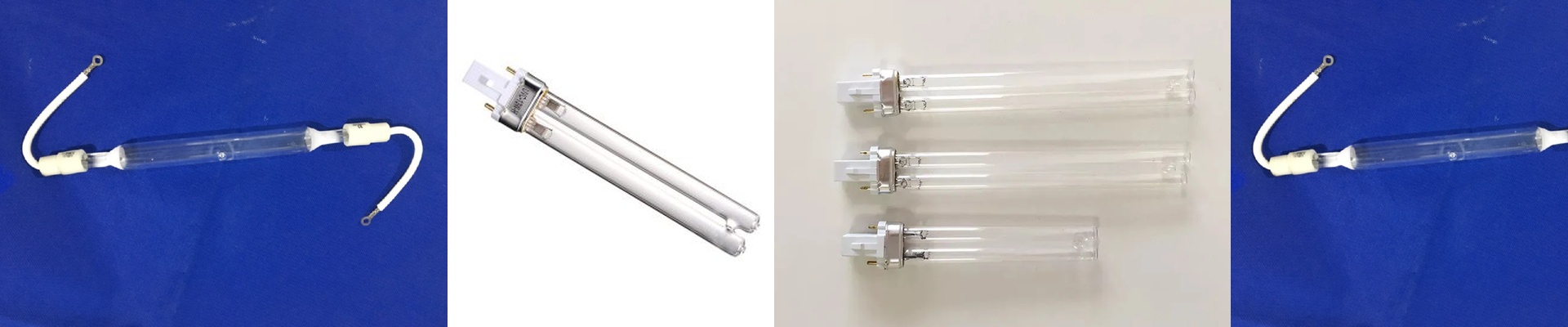
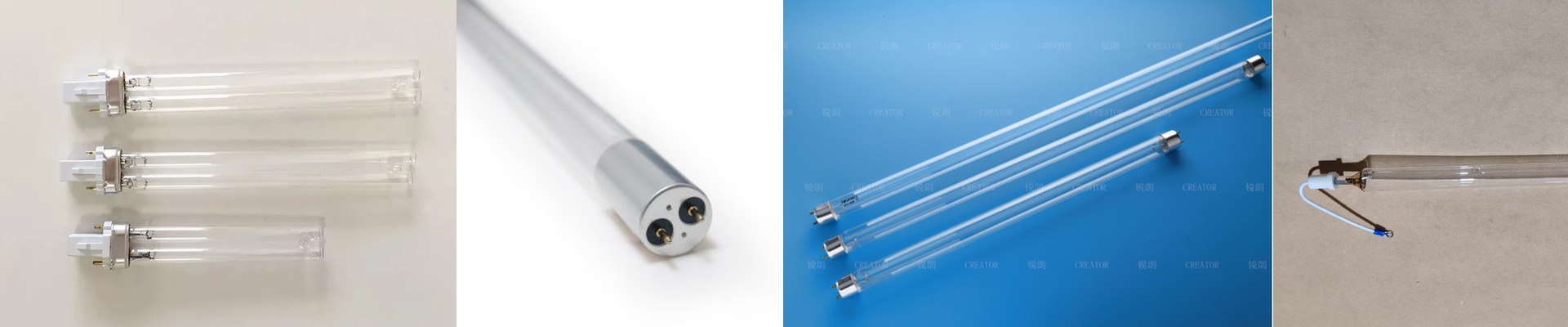
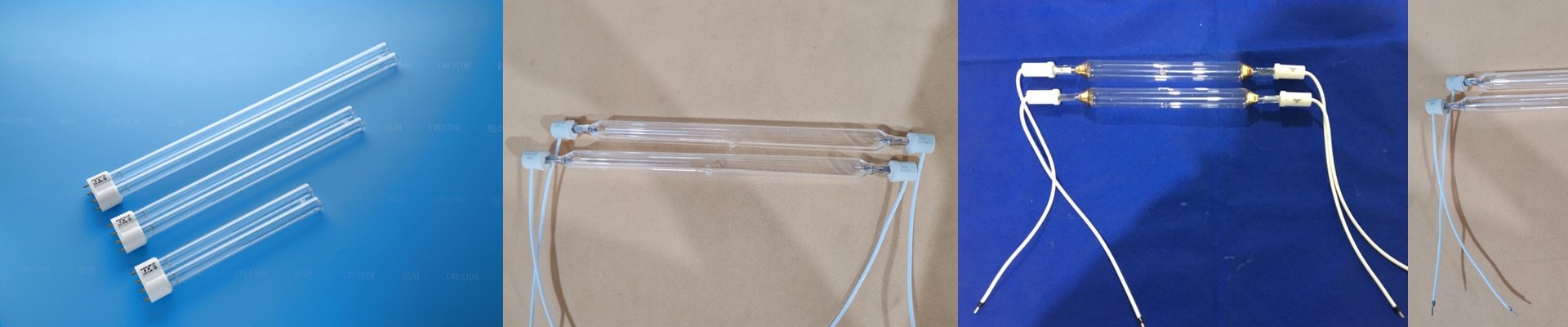
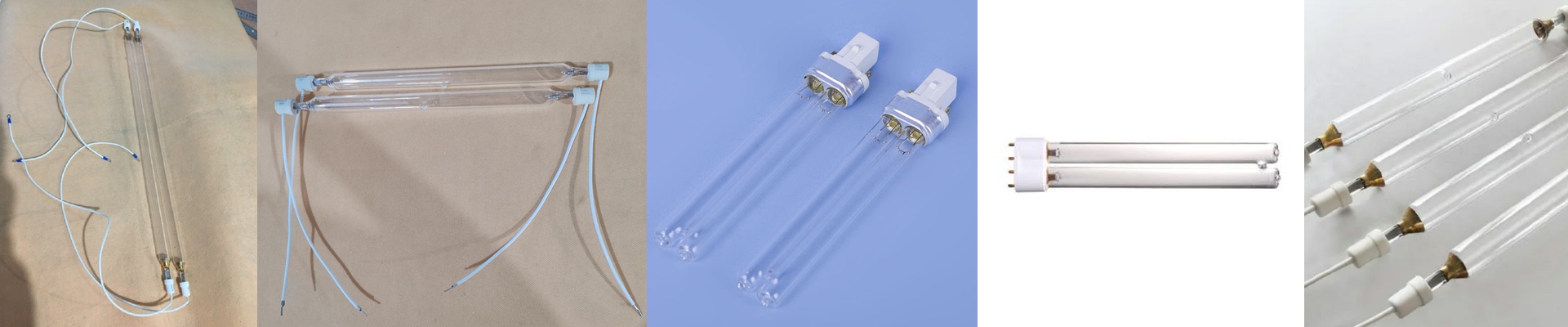
When you order Gallium Iodide (GaI) lamps from a factory in China, it’s easy to think you’re just buying a quartz tube filled with gas. But you aren’t. You’re buying a very specific kind of light. These lamps are precision tools. Whether you’re doing deep-UV curing or photolithography, that spectral output has to be spot on. Here is the scary part: if your supplier doesn’t actually own the patents for the gas mix or the electrode shape, you’re playing a dangerous game. You could end up with IP disputes or, even worse, your shipment getting seized at customs. Not exactly the kind of surprise you want on a Tuesday morning. The science bit (kept simple) Controlling those emission peaks is a balancing act. We tweak the ratio of Gallium to Iodine and mess with the internal pressure of the arc to get it right. If the filling process is off by even a tiny bit, the wavelength shifts. In a semiconductor fab or a medical sterilization line, that tiny shift can trash an entire production batch. It’s a nightmare. That’s why we patented our filling method. It keeps the light stable for thousands of hours so you don’t have to worry about it. Stop gambling with “generic” lamps Generic lamps are tempting. They look the same on the outside. But the internal chemistry is usually a mess. They tend to burn out way faster than the spec sheet promises. Because we hold the patent, we control the tolerances. You get a lamp that just works. You can drop it in and get back to work without having to spend hours recalibrating your entire UV system. Crossing borders without the headache Trade laws for UV-C components are getting a lot stricter. It’s a hassle. But when your supplier has their own independent patents, the product is cleared for export. It’s verified. You don’t have to stress about legal blocks at the border because the paperwork is clean. One quick tip though: high-output GaI lamps gethot. Really hot. If you crank up the wattage to speed up your cure times, make sure your cooling jackets can actually handle that heat. If the tube overheats, the quartz will crack. It doesn’t matter whose patent is on the box—physics always wins.