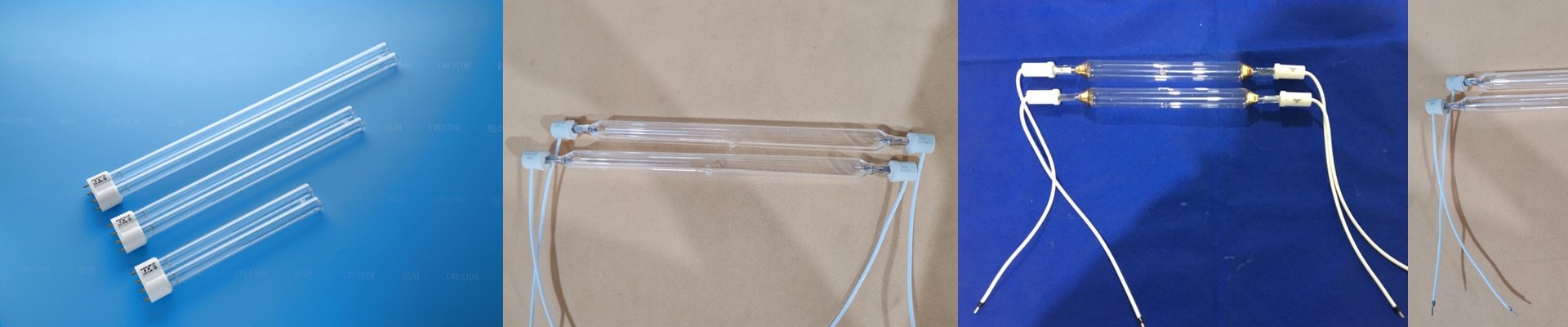
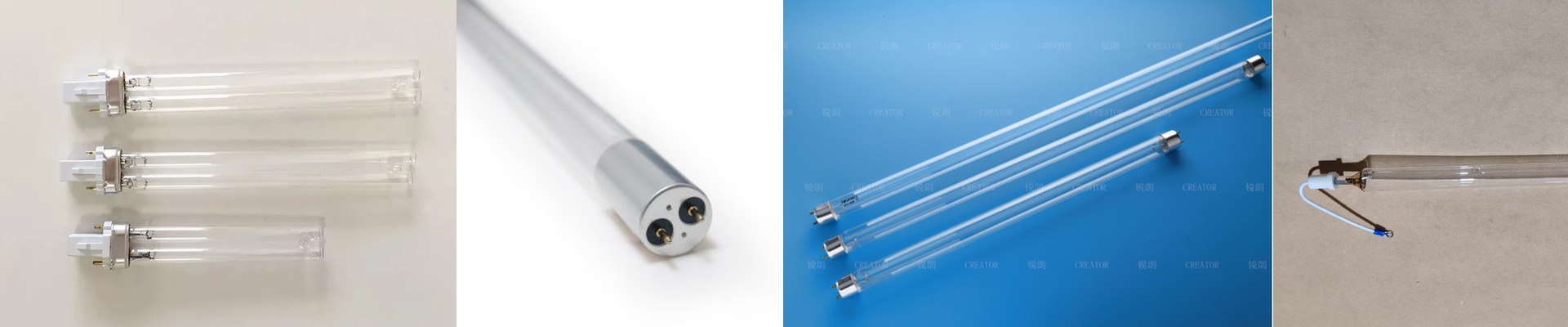
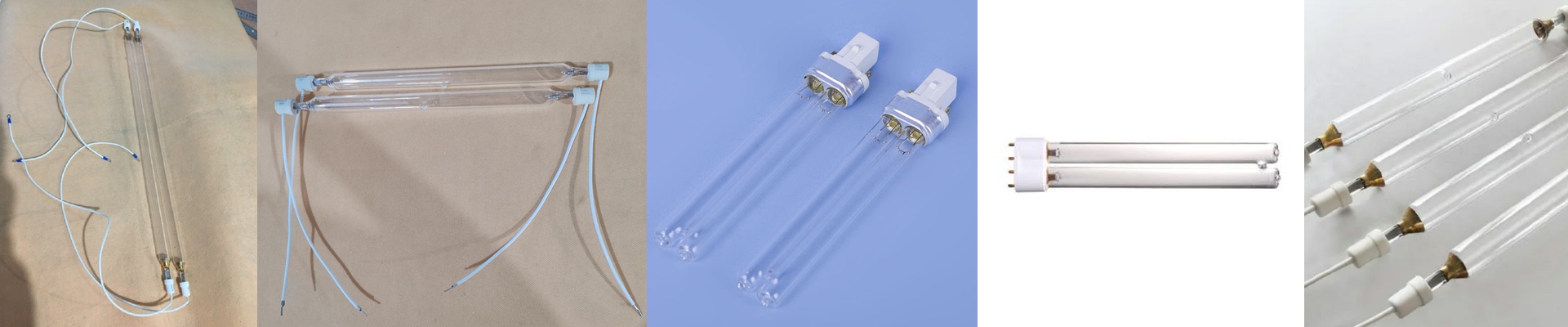

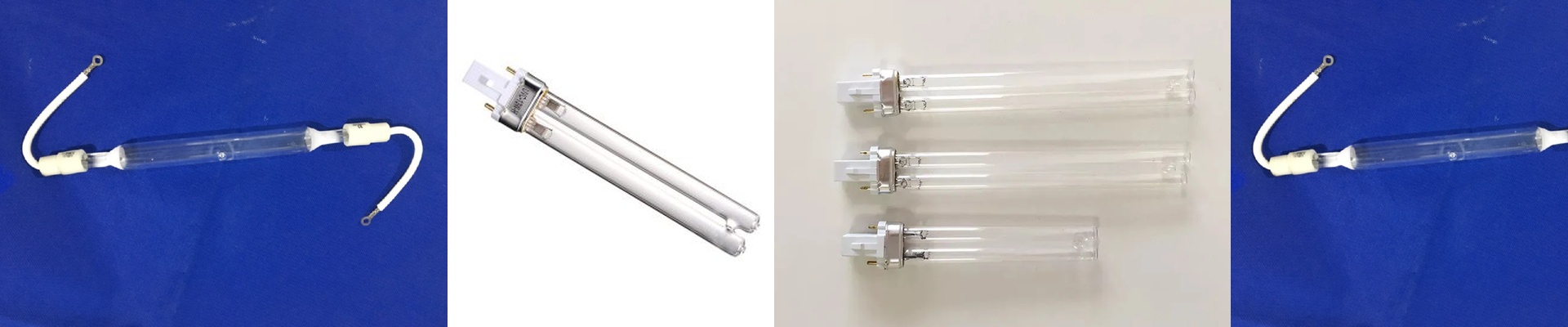
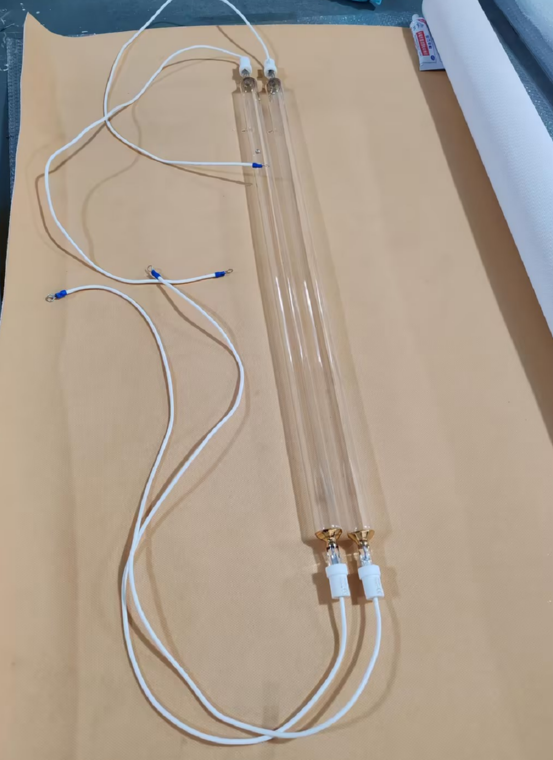
On the press floor, nothing eats margin faster than downtime and a cure that drifts. When a gallium iodide lamp gets old, its spectral output shifts and peak irradiance falls off. Suddenly you’re slowing the line just to chase ink cure on substrates that should be running at speed. We built a direct replacement that cuts the risk without rewiring the system or losing control of the spectrum. What matters under the hood Gallium iodide lamps earn their keep with strong 365nm and 385nm output, matched to photoinitiator absorption in offset, flexo, and screen inks. Our replacement keeps that spectral profile clean: stable emission peak, tight bandpass, and a reflector that holds uniform irradiance across the substrate. We match the original arc length and lamp diameter, so you keep the same focal distance, the same hot-spot geometry, and the same energy density at the curing window. Output is measured in mJ/cm² and peak irradiance (W/cm²)—not buzzwords. The lamp runs ozone-free, with a dichroic coating that cuts IR heating and protects heat-sensitive materials. Why this plays in contract manufacturing This business runs on uptime and repeatable quality. With these lamps, cure energy stays consistent shift after shift, so dot gain, adhesion, and surface cure stay in spec without throttling the line. Power draw is matched to the original ballast, so you don’t have to re-qualify electrical budgets, yet lamp life is extended thanks to a more stable arc and controlled electrode wear. Fewer lamp changes. Fewer rejects. Predictable maintenance windows. On global lines, that means steady throughput with operating cost you can plan around. The install details that make the difference Swapping the lamp is straightforward, but alignment is everything. Even a small shift in lamp position changes reflector focus and can drop peak irradiance at the substrate. Before you swap, verify arc length, end-of-life circuitry, and connector type. Check ballast and shutter compatibility, too—some systems need minor parameter tweaks to match the replacement’s warm-up and ignition profile. After installation, run a spectral radiometer scan to lock in a baseline and set your next inspection interval.