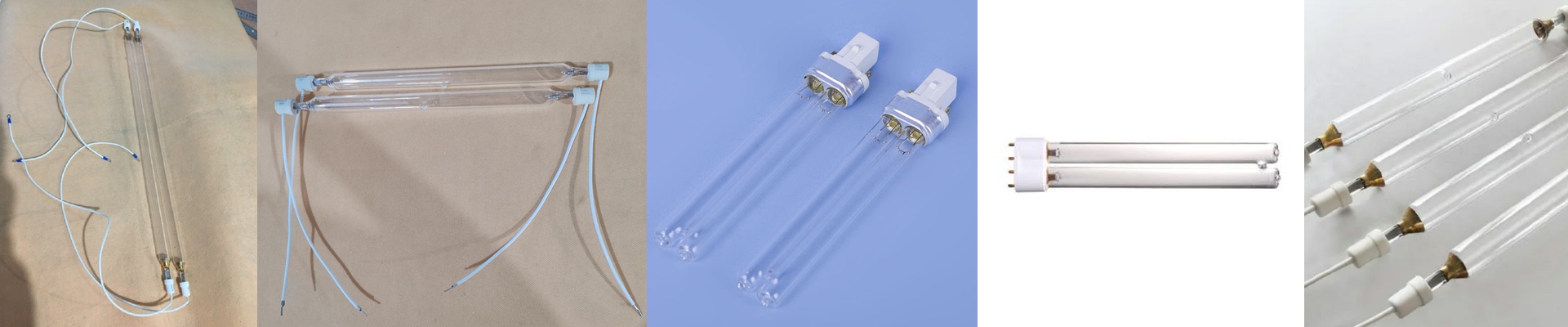
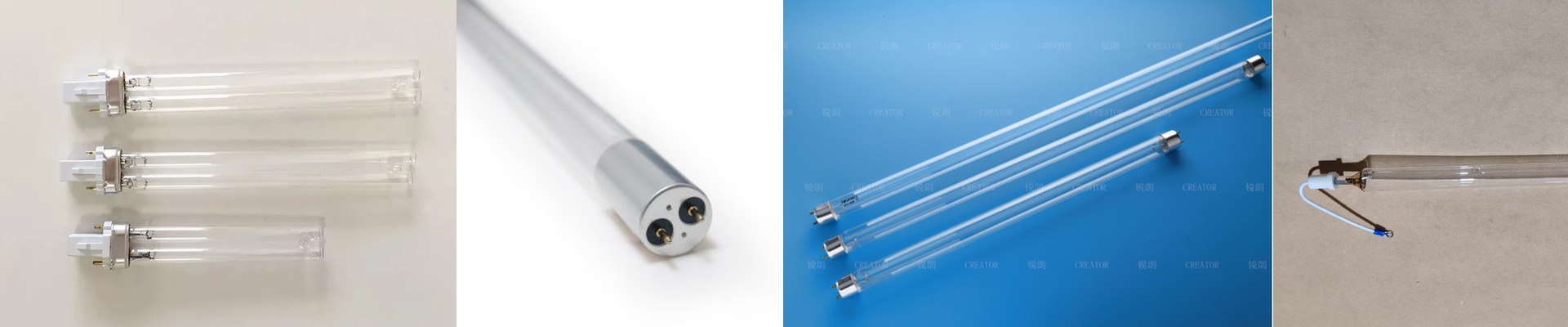
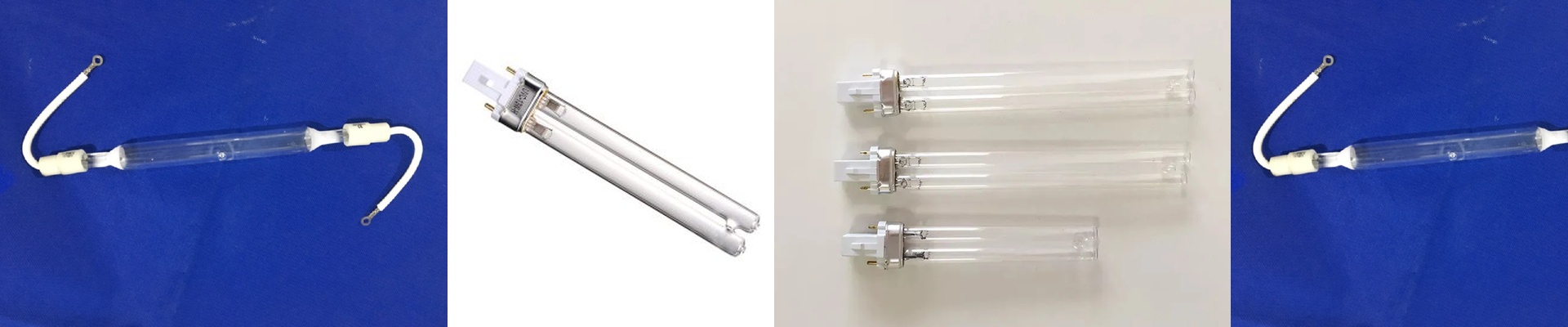

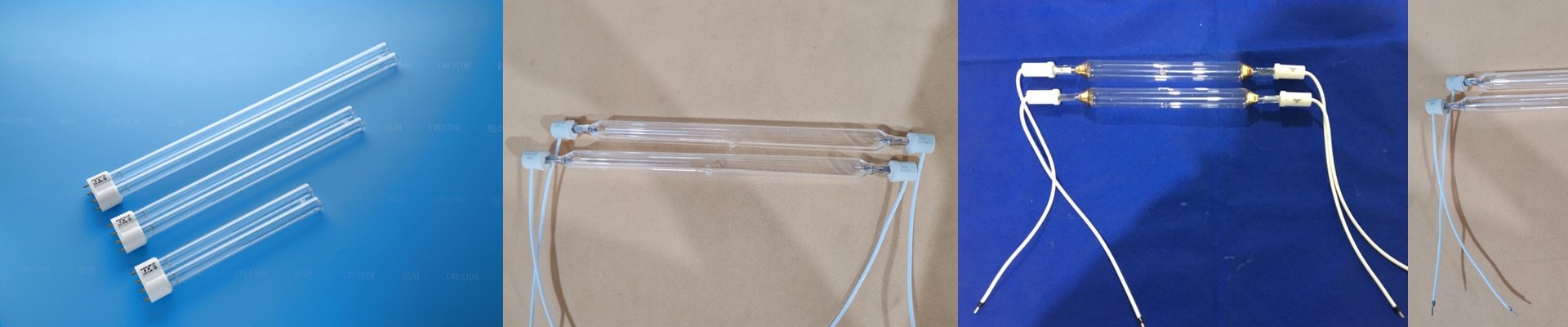
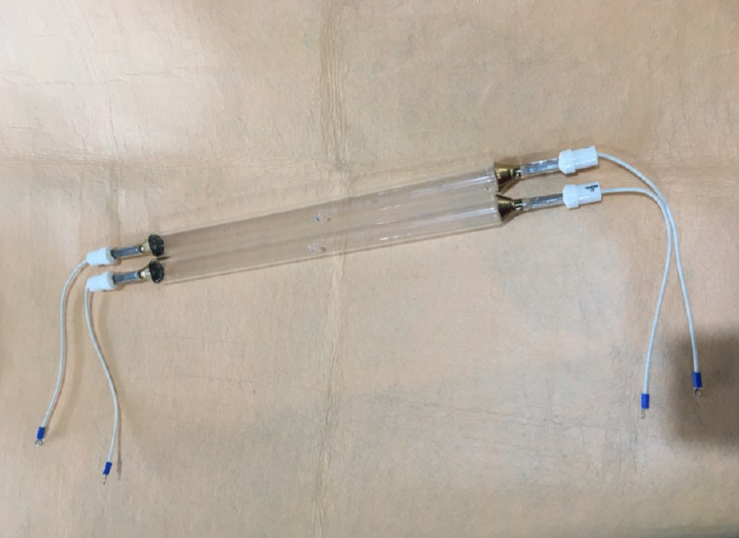
Better PCB Lithography Without the Toxic Mess
Let’s be honest: getting the UV wavelength just right during PCB fabrication is a headache. If you’re off by a bit, you risk ruining the substrate or messing up the photoresist cure. That’s why we started using Gallium Iodide (GaI). It lets us shift the light spectrum to exactly where it needs to be. No wasted energy, and more importantly, no more dealing with those nasty mercury-based fillers.
Why Gallium Iodide actually works
Most standard UV lamps are “leaky”—they bleed into spectrums you don’t even want. To make up for that, you end up running them hotter and longer just to get the job done. We do things differently. By putting Gallium Iodide into the arc, we create a very specific spectral line. It hits the exact peak absorption of the photoresist. The result?Everything cures faster. Plus, since the boards aren’t soaking in unnecessary heat, you don’t have to worry about the boards warping during exposure. It’s a much cleaner process.
Built to last (and not kill the planet)
I’m tired of “disposable” industrial parts. We didn’t want to build another short-cycle consumable that you just toss in the trash every few months. We switched to high-purity quartz envelopes and tweaked the electrode geometry. This stops the arc from basically eating the glass from the inside out. It keeps the lamps running longer. And since we ditched the toxic materials, you don’t have to jump through hoops with hazardous waste protocols every time a lamp burns out. It’s just easier.
Plugging them in
The good news is these are drop-in replacements. They work with most industrial exposure lines and wire right into your existing ballasts. But here is a heads-up:check your cooling fans. Because GaI concentrates so much energy into a tight band, the heat at the arc is intense. If your ventilation is weak, the electrodes will overheat and the lamp will die early. Don’t skip the airflow. We built these for stability. You get a consistent UV output that doesn’t drift for over 1,000 hours. That means you can stop obsessing over your exposure timers and actually get some boards moving.