
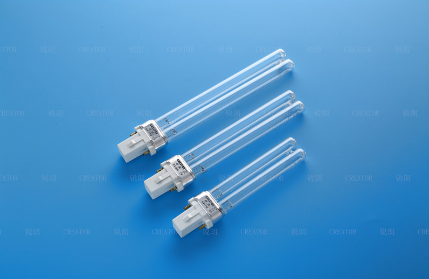
Why Your UV Lamps are Leaving Ink Wet (and How We Fixed It)
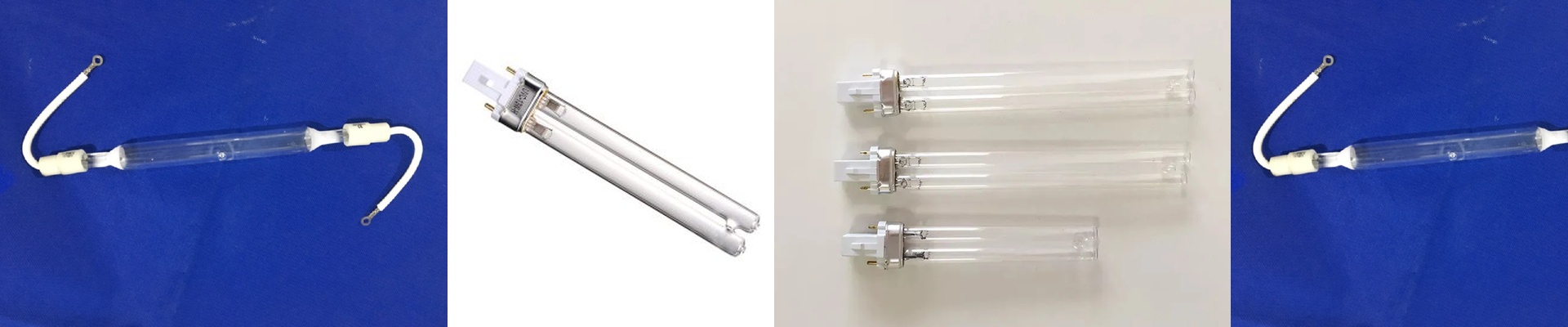
We spent a long time visiting printing plants—about 3,000 of them, to be exact. We wanted to see where things actually go wrong on the floor. The biggest headache we kept seeing? “Through-cure” issues. It’s frustrating. You touch the sheet, the surface feels dry, but the ink underneath is still a gooey mess. Standard mercury lamps just can’t punch through thick ink or heavy pigments. They hit the surface and stop. That’s why we stopped playing it safe and moved to Gallium Iodide (GaI) technology.
The secret is in the wavelength
Here is the thing: physics matters. Most UV lamps peak at 254nm or 365nm. That’s fine for thin layers, but not for the heavy-duty stuff. GaI lamps are different. They push more energy into the 300nm to 450nm range. Think of it as a deeper reach. Instead of just skimming the top, the light actually sinks into the ink film. You get a solid cure from top to bottom. We built these specifically for the kind of intensity you need when running offset or flexographic presses at full tilt.
Dealing with the heat
Now, there’s a catch. More power means more heat. If you run a GaI lamp at full wattage, it puts out a lot of infrared radiation. If your cooling isn’t up to the task, you’re going to warp your substrates or even burn the ink right off the page. Not a great look. To handle this, we spent a lot of time tweaking the lamp housings. We obsessed over the air-gap tolerances to make sure the heat escapes while the UV stays intense. One more tip: get a stabilized power supply. Voltage spikes are killers—they eat through the electrodes and burn out your lamps way too soon.
Getting it onto your floor
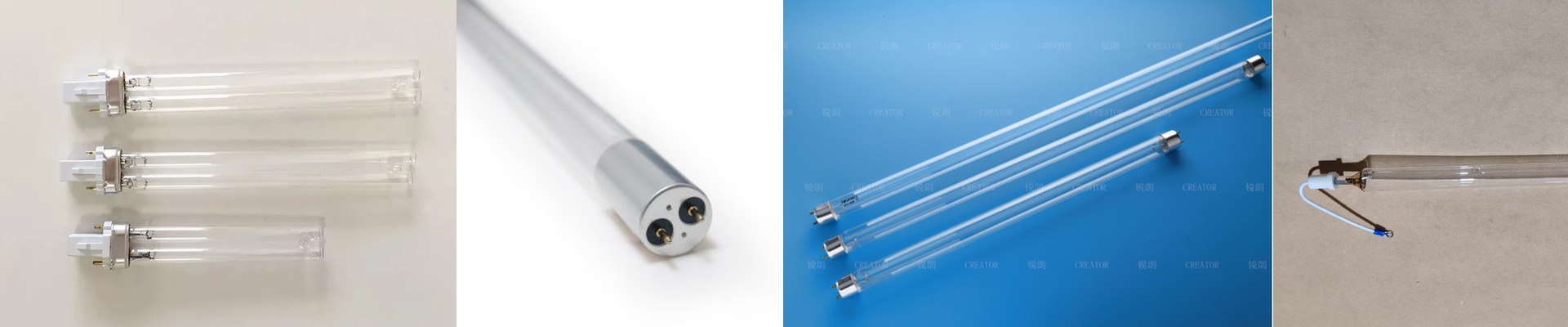
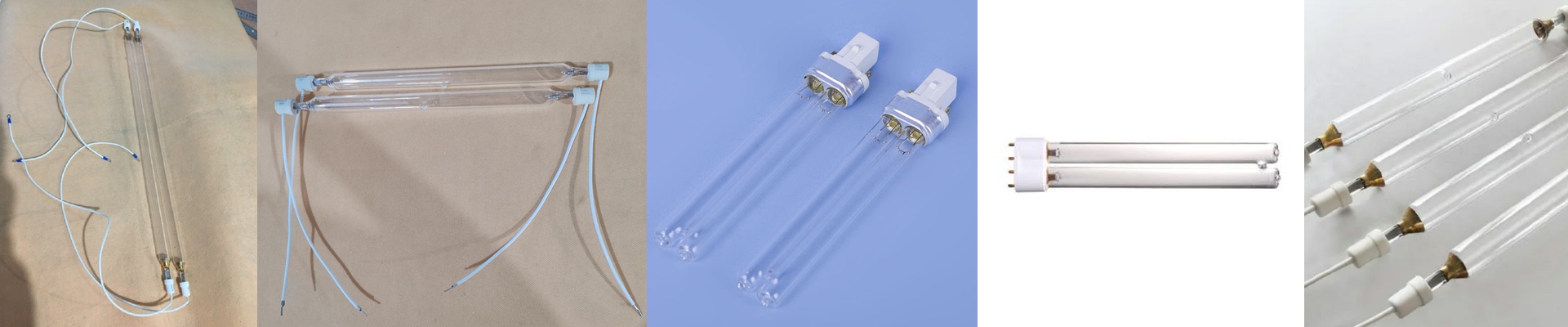
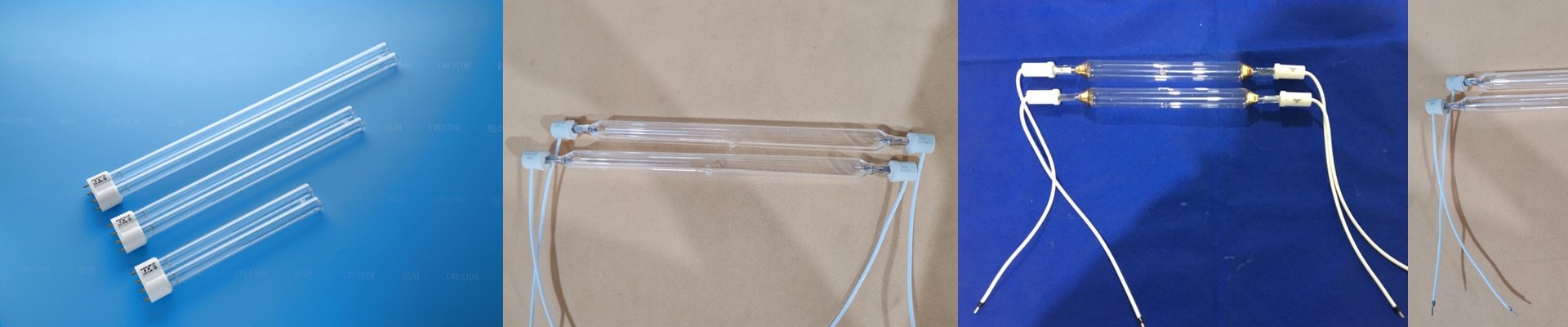
We know you don’t have time to rip out your entire conveyor line. Nobody does. So, we made these “drop-in” compatible. They fit the footprints you already have. We also used reinforced quartz glass because printing shops are shaky, loud places, and the last thing you need is a lamp shattering from vibration. If you’re running 24/7, just keep an eye on the gallium salt. It wears down over time. Once the output dips below a certain point, swap it out. It’s a lot cheaper to replace a lamp than it is to throw away a thousand uncured sheets.