
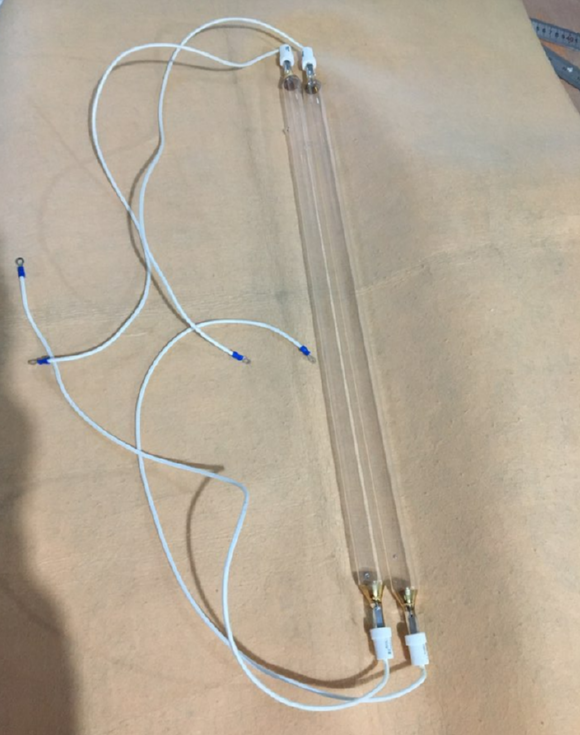
Getting the Spectral Energy Just Right in Gallium Iodide Lamps
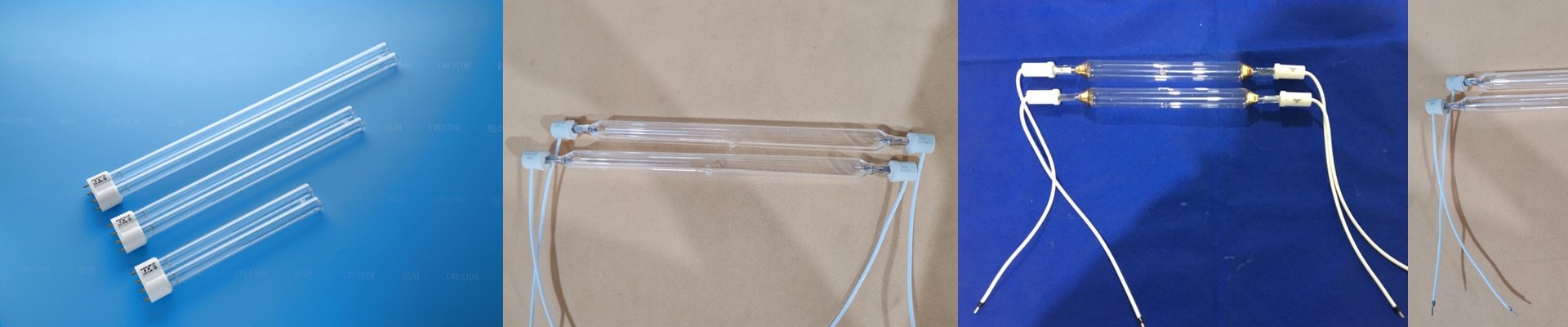
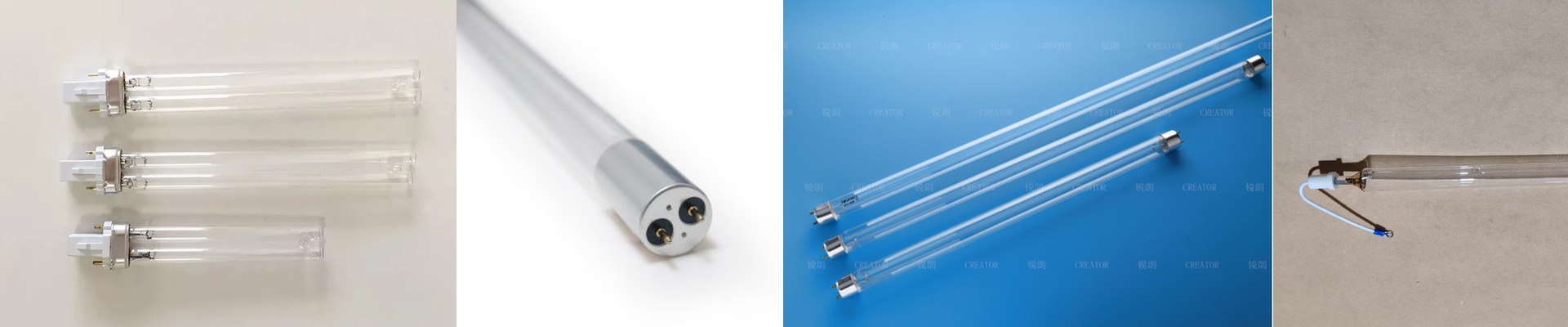
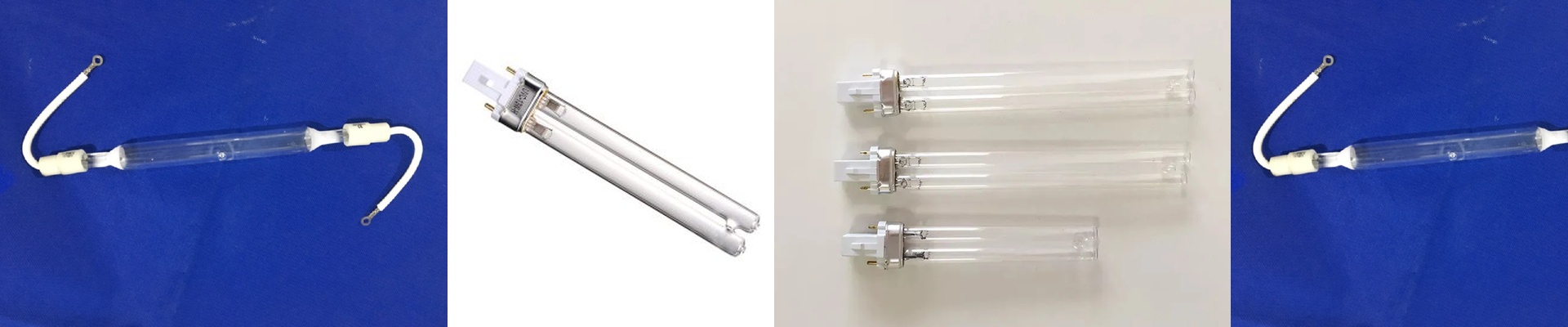
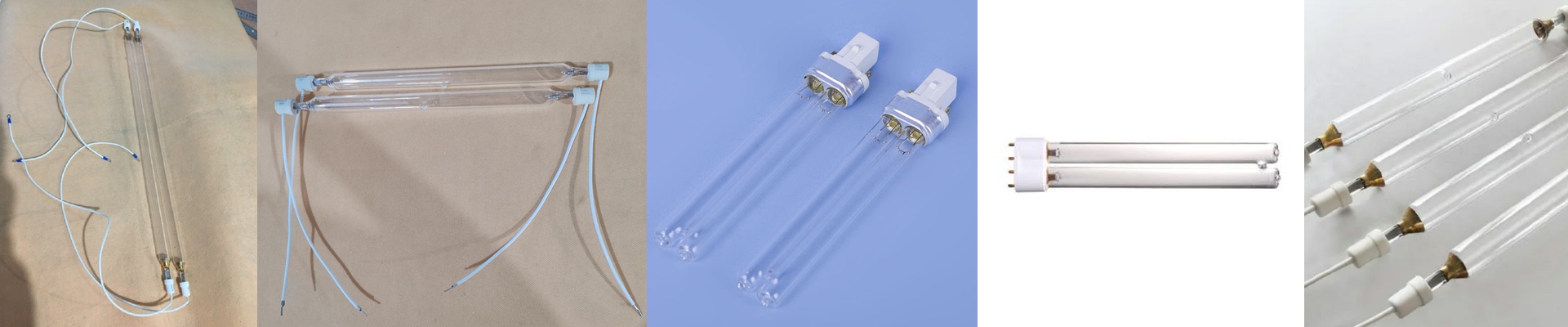
If you’ve worked with UV output, you know the struggle. Most lamps throw a wide net of light, but sometimes you need a laser-focus. That’s where Gallium Iodide (GaI) lamps come in. We’ve been obsessing over spectral energy concentration lately. Specifically, we’re pushing for a 0.5% tolerance. Why? Because in this world, “close enough” is a disaster. A tiny drift in wavelength can ruin a whole batch of curing or make a sensor’s calibration completely useless. The trick to hitting that 0.5% mark It all comes down to the gas fill and how stable the arc stays. Think of it like this: if the pressure inside the tube jumps around, the peak shifts. To stop that, we use a precision filling process. We make sure the gallium iodide vapor is perfectly consistent from one end of the tube to the other. No “hot spots.” No wasted energy scattering into side-bands. Just a clean, sharp hit on the target wavelength. The battle with heat and glass You can’t just use any old glass for this. We use high-purity synthetic quartz. Standard quartz is too “greedy”—it absorbs too much of the shortwave UV, which kills your output and makes the glass overheat. But here’s the catch. Running these lamps at high intensity creates a massive amount of heat. It’s intense. You can’t just plug these into any random fixture and hope for the best. You need a cooling system that can actually handle the load. If you don’t, the quartz will solarize, and your lamp life will tank. Why this actually matters for your work We build these for the engineers who are tired of fighting with inconsistent light. Whether you’re doing photolithography or a tricky chemical cure, a narrow spectral peak means you aren’t wasting energy heating up your substrate. You’re giving the photo-initiator exactly what it needs to trigger—nothing more, nothing less. If your power supply is stable, these just slide right into your existing setup. It’s a simpler, cleaner way to get the job done.