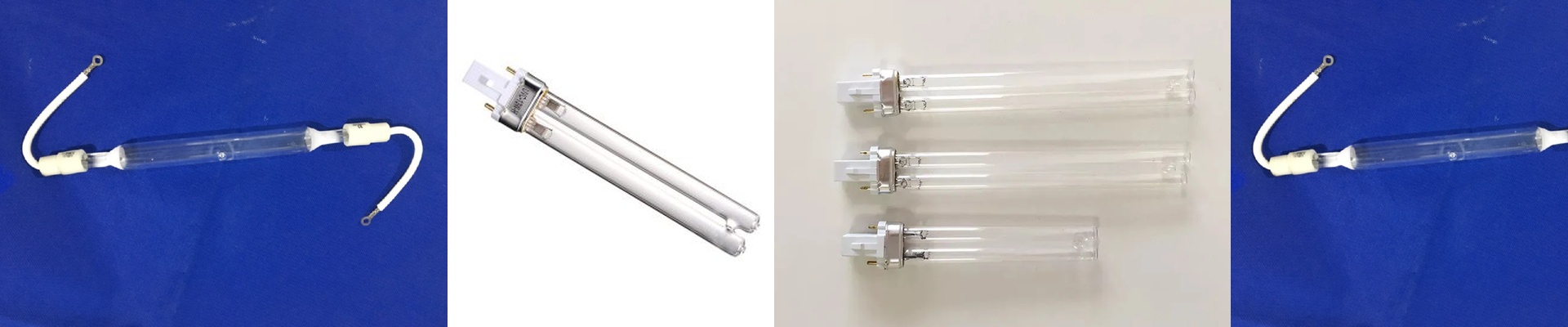
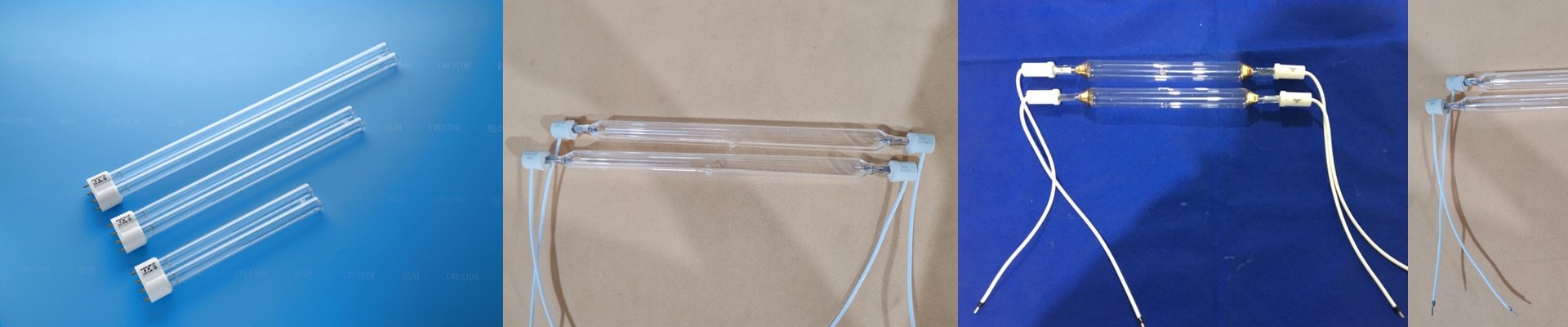
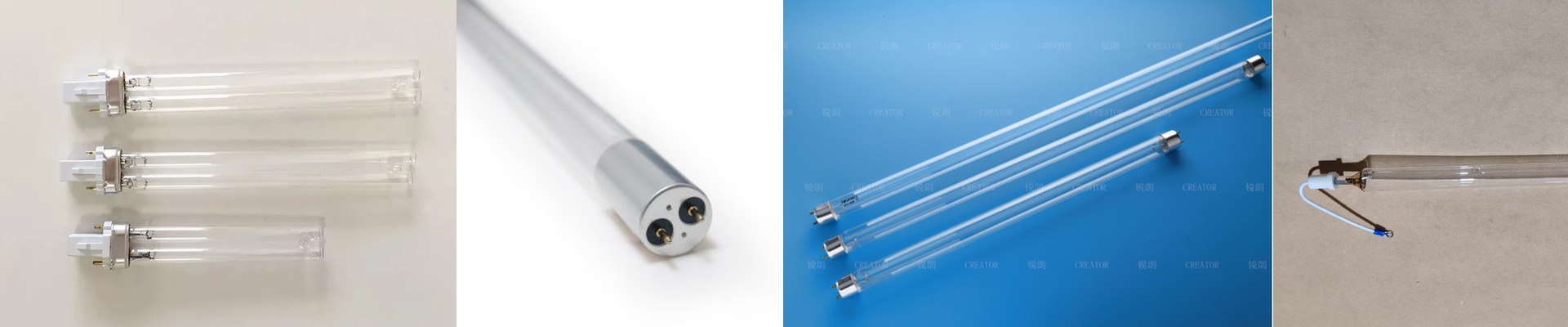
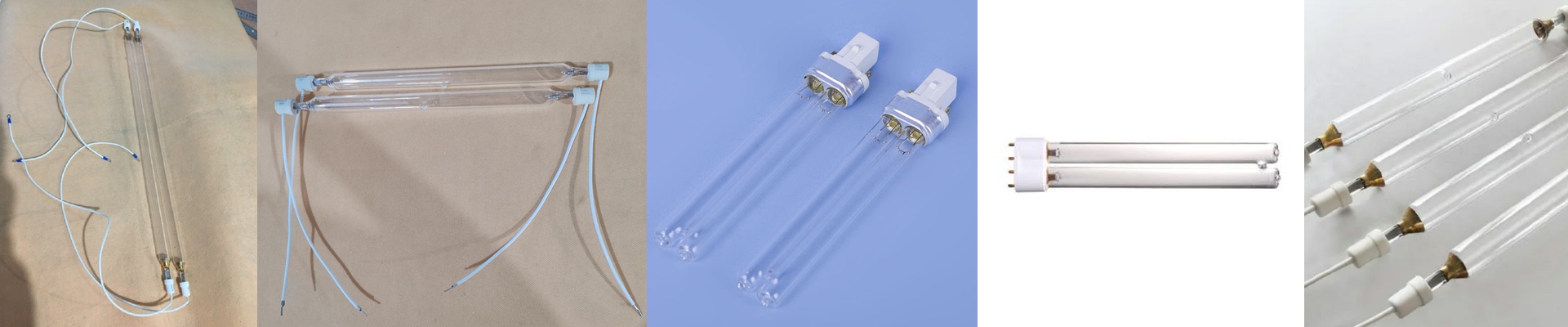

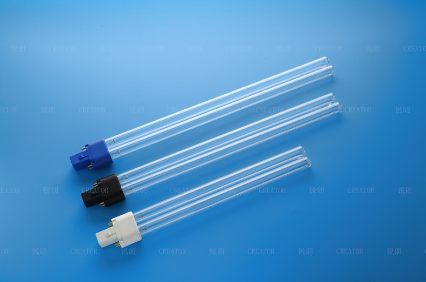
Let’s Talk About Our Standard Mercury UV Bulbs
We make these bulbs for one reason: to get your industrial printing and coating lines moving. They take electrical energy and turn it into short-wave UV radiation, which is basically the “magic” that makes UV inks harden instantly.
Getting the Power Right
Here is the thing about mercury bulbs—they’re picky. They need a specific voltage and wattage to keep that arc stable. We use high-purity mercury vapor so you get a consistent peak right around 254nm. Why does that matter? Because that specific wavelength is what actually digs deep into the ink. If you try to run these at a lower wattage than what we recommend, you’re going to run into trouble. You’ll get “under-curing.” That’s when the surface feels dry to the touch, but the base is still tacky. Not a great look.
Heat and Glass
The bulb is wrapped in high-transmittance quartz. We use it because it can handle the heat without cracking and lets the UV rays fly through without getting blocked. But let’s be real: these things gethot. Like, really hot. You’ve got to make sure your cooling fans or water-jackets are actually doing their job. If the quartz envelope overheats, the bulb will burn out way too fast, or worse, the glass could warp. Keep it cool, and it’ll last.
Plugging In and Keeping it Clean
We designed these to be simple drop-in replacements. No one wants to spend an hour fighting with a socket, so we kept the end-cap dimensions precise. They just fit. One pro tip: keep a strict cleaning schedule for your quartz sleeve. If dust or ink splatters get on the glass, they create hotspots. Those hotspots are bulb-killers. A quick wipe-down saves you from a premature failure. And before you flip the switch on a new bulb, double-check your ballast settings. If the voltage from the ballast doesn’t match the bulb’s rating, it either won’t ignite at all or you’ll kill the lamp life in record time.