Why Your UV Lamps Keep Failing (and How to Actually Fix It)
I’ve spent time in about 3,000 different printing plants. If there’s one thing I’ve learned, it’s that there is a massive gap between what looks good in a lab and what actually survives on a loud, messy production floor. Most of the time, when a lamp fails, people blame the bulb. But here’s the thing: it’s usually not the bulb’s fault. It’s a mismatch. The light coming out of the lamp just isn’t talking to the chemicals in the ink.
The Secret Sauce: Gallium Iodide
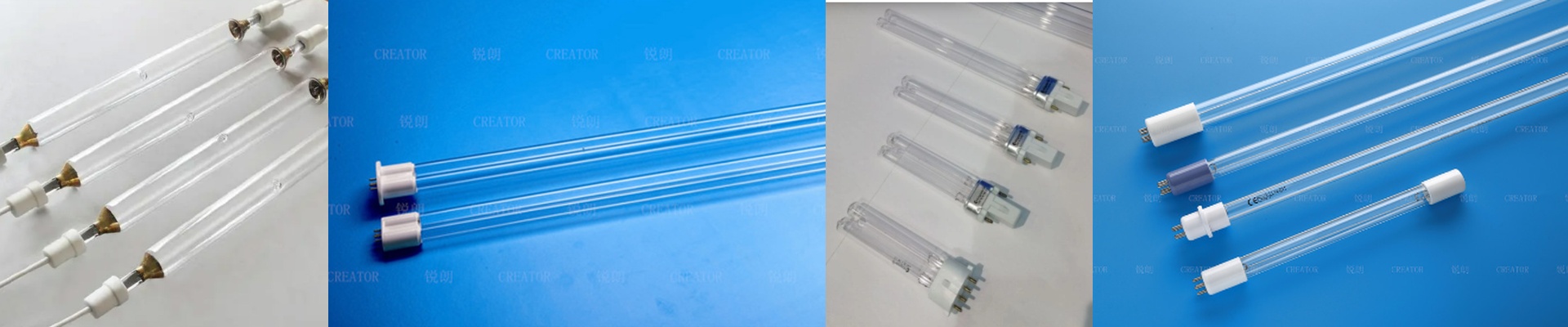
We use gallium iodide (GaI) to shift the light spectrum. Standard mercury lamps are fine for the surface, but they hit a wall when the ink gets thick. They just can’t get deep enough. GaI lamps change that. They push the output into that 300nm to 400nm sweet spot, which lets the UV light punch straight through the pigment. It cures the ink from the bottom up. No more “skinning,” where the top looks dry but the bottom is wet, leading to that frustrating peeling you see later on.
No “One Size Fits All”
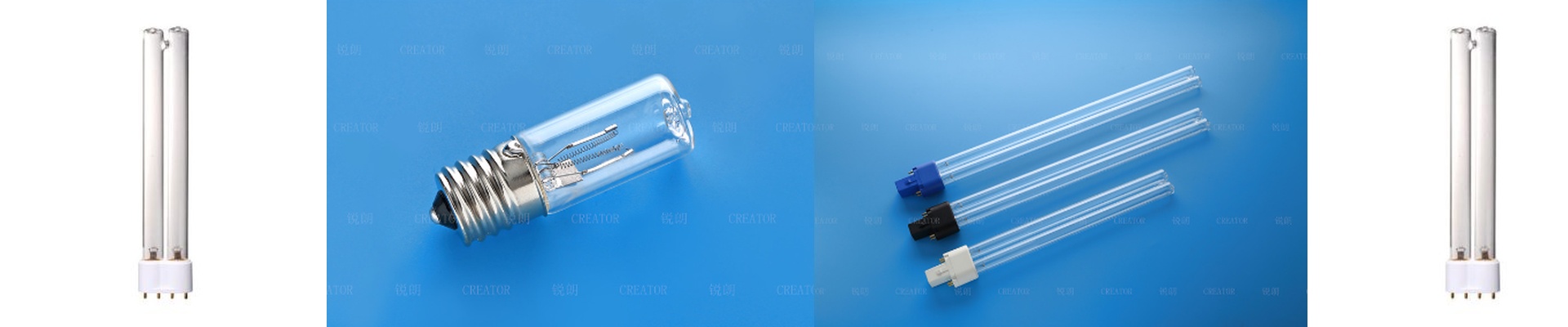
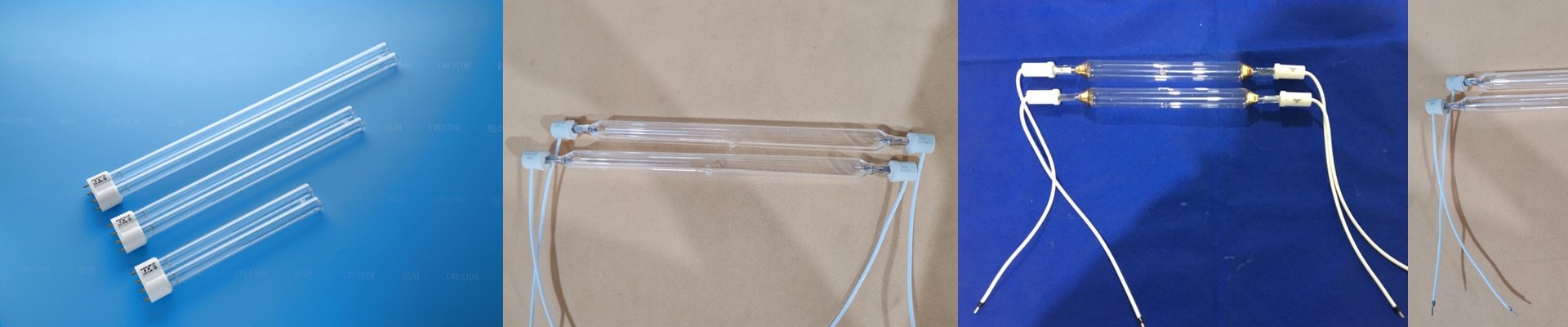
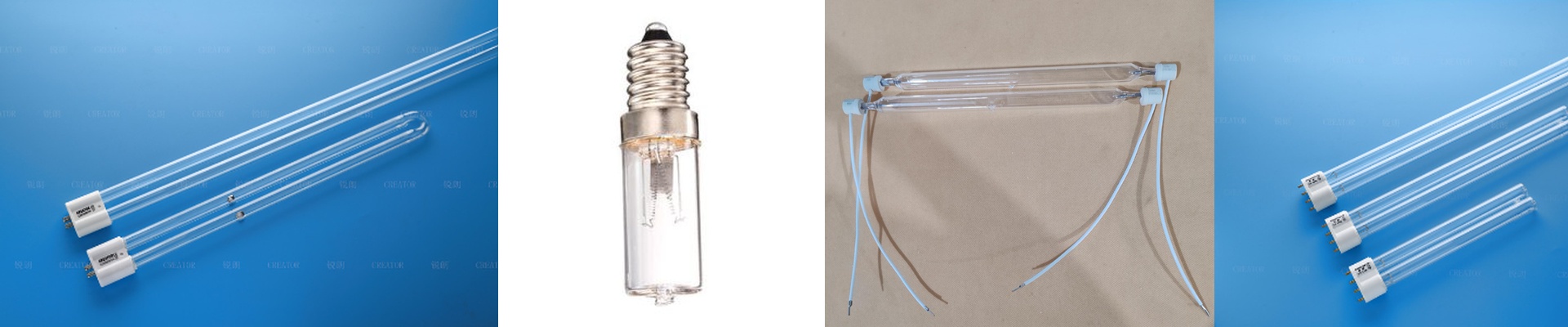
We don’t do generic tubes. That’s a recipe for disaster. Instead, we look at your line speed and pick the wattage and length to match. But there’s a catch. If you go with a shorter, high-wattage lamp, you’re creating a concentrated heat zone. It’s fast. Really fast. But if your cooling fans aren’t up to the task, that heat can warp thin PET substrates. It’s a trade-off you have to manage. To keep things from burning out, we use heavy-wall quartz glass. It stops the gallium from reacting with the tube wall when things get hot. We also made sure our connectors are drop-in replacements for most industrial reflectors. Because when a bulb goes, the last thing you want is to spend an hour figuring out how to plug in the new one.
Getting it Right on the Floor
Wiring these is where a lot of people trip up. Gallium lamps are picky. If your voltage jumps around, the light spectrum shifts, and suddenly your ink isn’t setting. I always suggest using dedicated stabilizers to keep that arc steady. And one last tip: check your reflector alignment. I’ve seen cases where a tiny 2mm offset dropped the UV intensity by 15%. It’s a small tweak that makes a huge difference in how your finished product looks.