
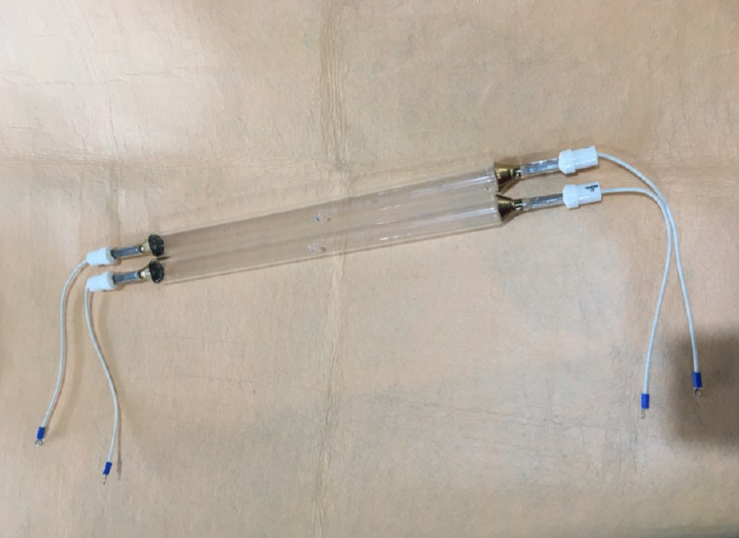
Getting the Most Out of Your Mercury UV Bulbs
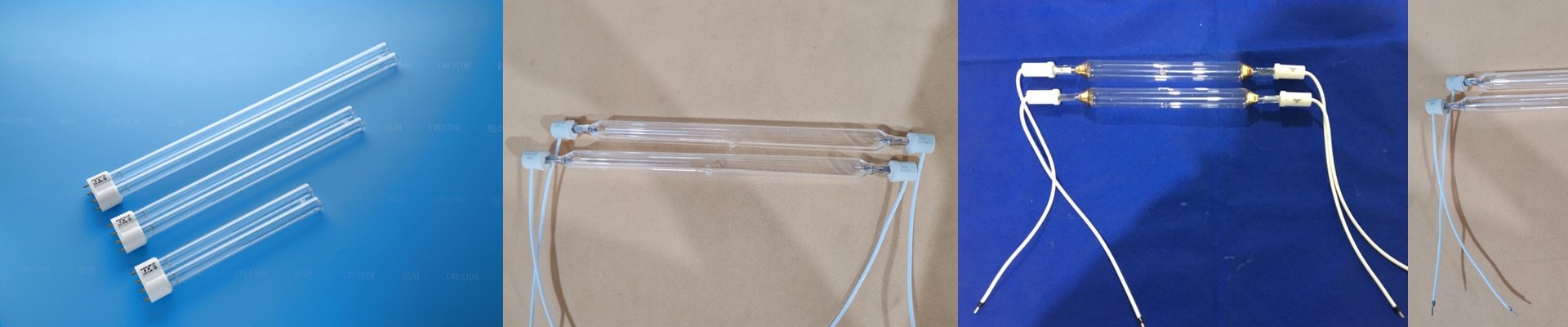
Most standard UV bulbs are a bit messy. They bleed energy all over the place. But if you’re doing specialized curing or sterilization, you can’t have that. You need a laser-focused hit on the UVC or UVB bands. That’s where we come in. We get that tight focus by playing with the mercury vapor pressure and using a very specific, high-purity quartz.
The Heat Struggle
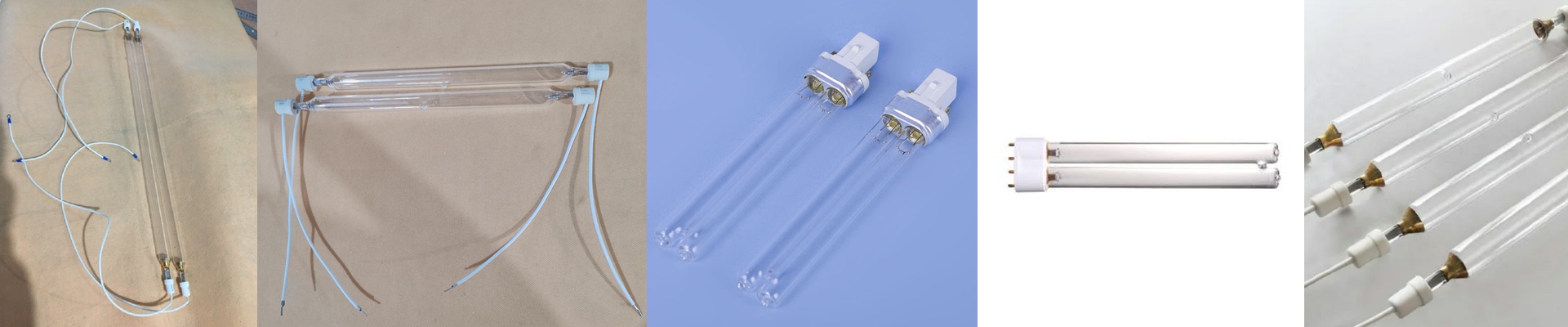
Inside the lamp, you’ve got a high-pressure mercury arc. To nail the exact wavelength you’re looking for, we tweak the gas mix and the diameter of the tube. Here’s the thing: a thinner tube bumps up the pressure, which shifts those emission peaks. It’s a delicate balance. And it gets tricky when you want more power. If you crank up the wattage to get more UV intensity, the tube is going to gethot. Like, really hot. You’ve got to make sure your cooling jackets or fans are actually doing their job. If that heat stays trapped, the quartz stresses out and your bulb burns out way sooner than it should.
Why the Materials Matter
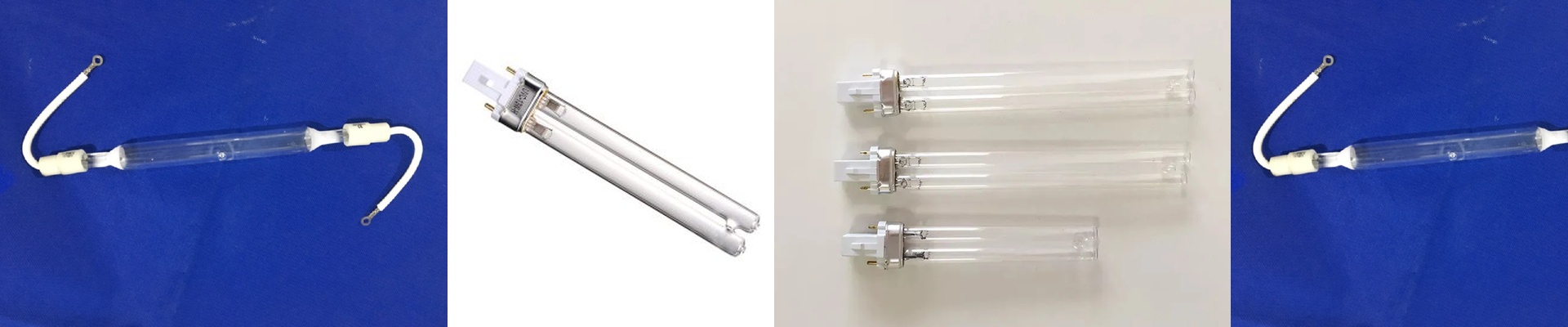
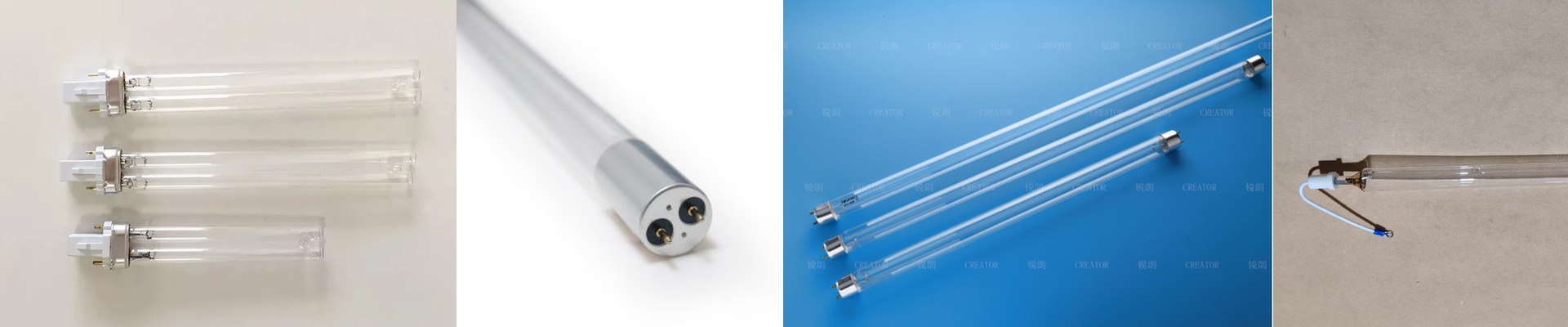
We don’t use regular glass. Glass blocks UV. Instead, we use synthetic quartz that lets those shortwave rays fly right through instead of soaking them up as heat. Then there are the electrodes. We use tungsten because it can handle the massive voltage spike needed to get the mercury ionizing. We build these for the real world—industrial cycles where the power clicks on and off constantly. They can take a beating without the arc starting to wander.
The Real-World Trade-off
We designed these to be drop-in replacements. You won’t have to rip out your racks or re-tool your entire line just to get them working. They just fit. But I’ll be honest with you: there’s always a trade-off. If you push for maximum UV output, you’re going to shave some time off the bulb’s life. You’re basically trading longevity for raw power. We’ll give you the data sheets, and you can decide if you’d rather speed up your line or spend less time swapping out bulbs.