
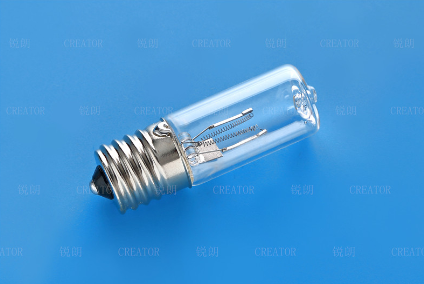
Stop Thinking About “Bulbs”
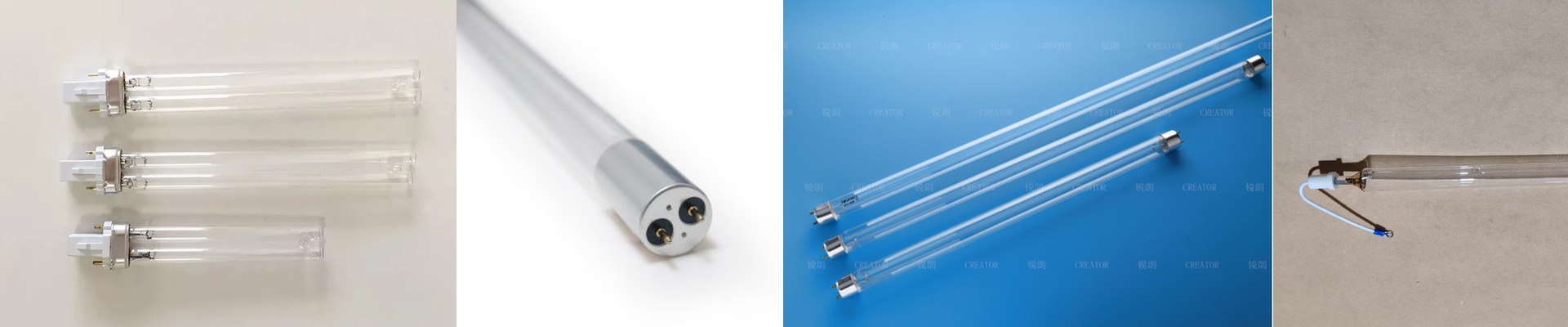
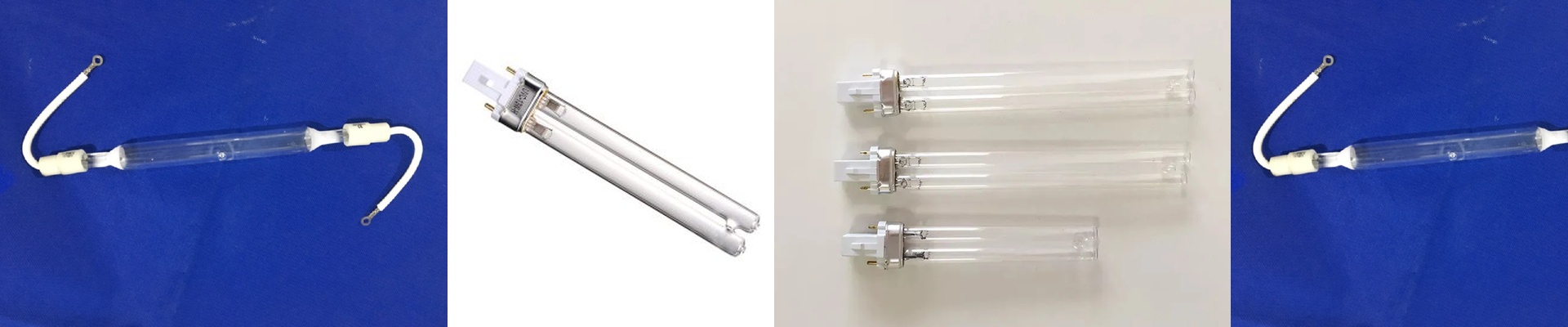
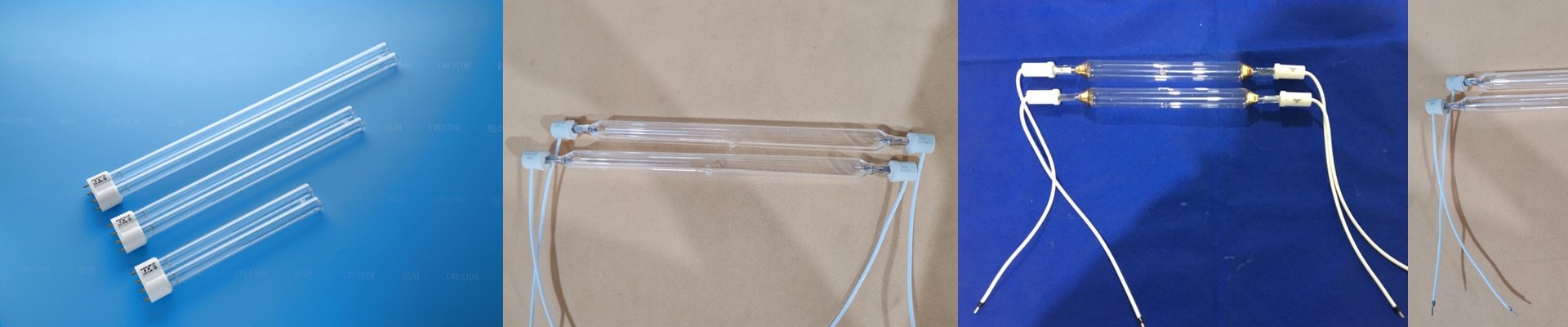
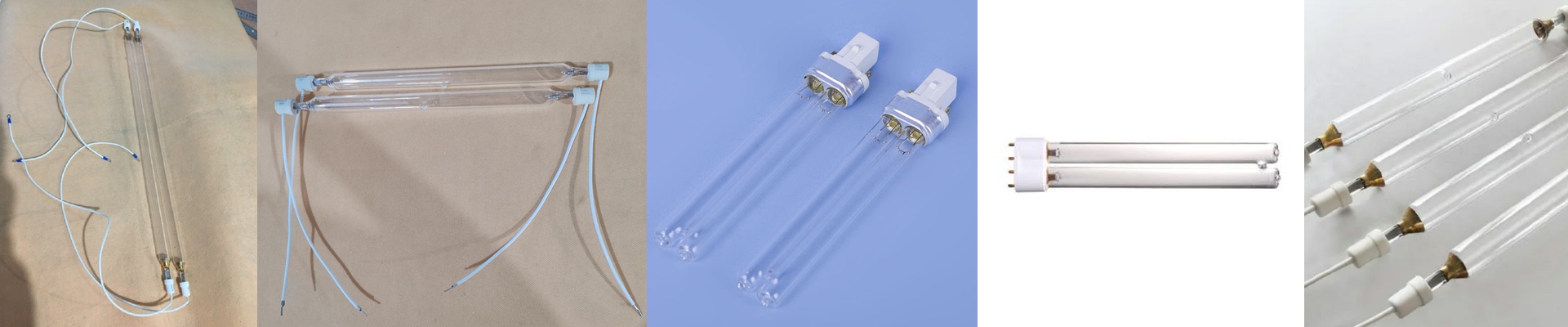
Most people look at a UV lamp and see a tool for drying ink or glue. But if you’ve spent any time on a factory floor, you know it’s more than that. It’s about how you deliver energy. Looking toward 2026, the whole industry is changing. We aren’t just shipping boxes of bulbs anymore. We’re building smart photonic modules that actually fit into the way modern factories breathe and move.
The Heat Struggle
Here’s the thing about speed. Everyone wants their lines to move faster. To do that, we’re cramming more wattage into smaller quartz envelopes. It works. You get a smaller curing tunnel, which saves space. But there’s a catch. That much power creates a massive amount of heat. If your chillers aren’t up to the task, you’re asking for trouble. You’ll either burn through your lamps way too fast or, worse, you’ll start warping your materials. It’s a delicate balance. We spend a lot of time making sure you get the punch you need without melting your conveyor belt.
No More Guesswork
We’re finally moving past the days of simple on/off switches. That’s old school. Now, we’re putting sensors right into the mix to watch UV intensity in real-time. It’s a huge relief. Instead of crossing your fingers and hoping the lamp is still strong, the system just tells you when it’s starting to fade. You get a flag for replacement before a batch of product fails quality control. You stop guessing when the lamp is “done” and just schedule maintenance based on what’s actually happening.
The Real Trade-offs
Let’s be honest: high-energy UV isn’t a magic fix for every single line. There’s always a trade-off. If you want insane intensity, you’re going to get a shorter lamp life. You’re basically trading longevity for raw speed. Lately, we’ve been seeing a lot of hybrid setups. You use traditional mercury vapor for the deep cure and LED for the surface tacking. It saves on power, which is great, but it makes your wiring a bit of a nightmare. You’ll want a technician who actually knows their way around a control board, otherwise, you’re just going to blow the drivers.