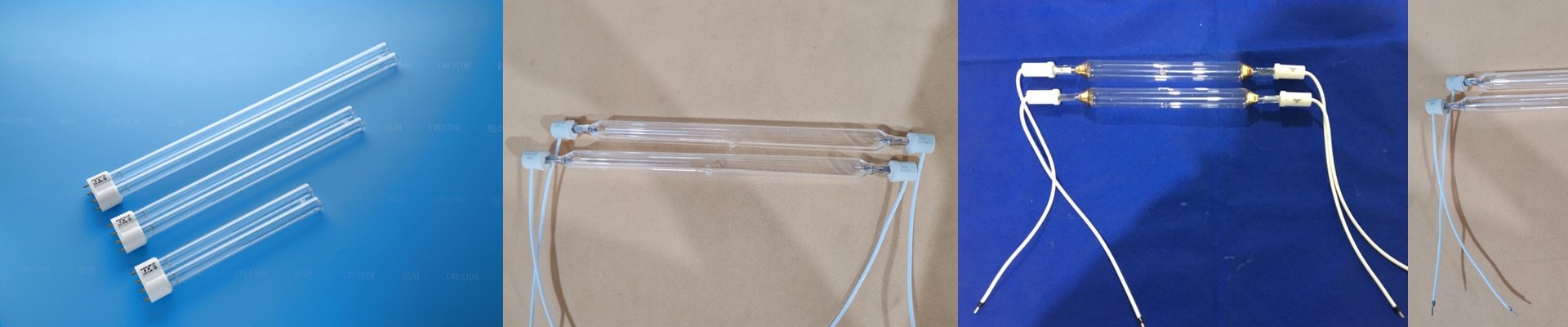

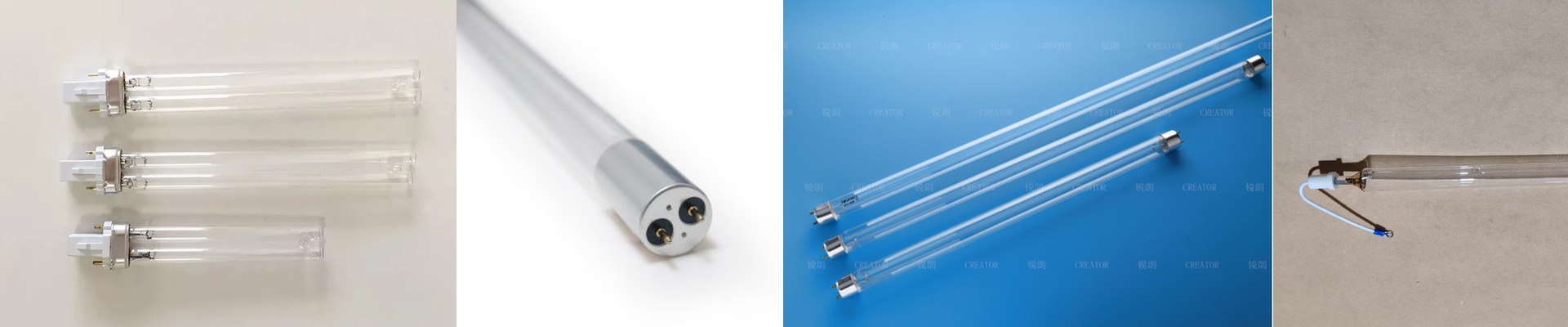
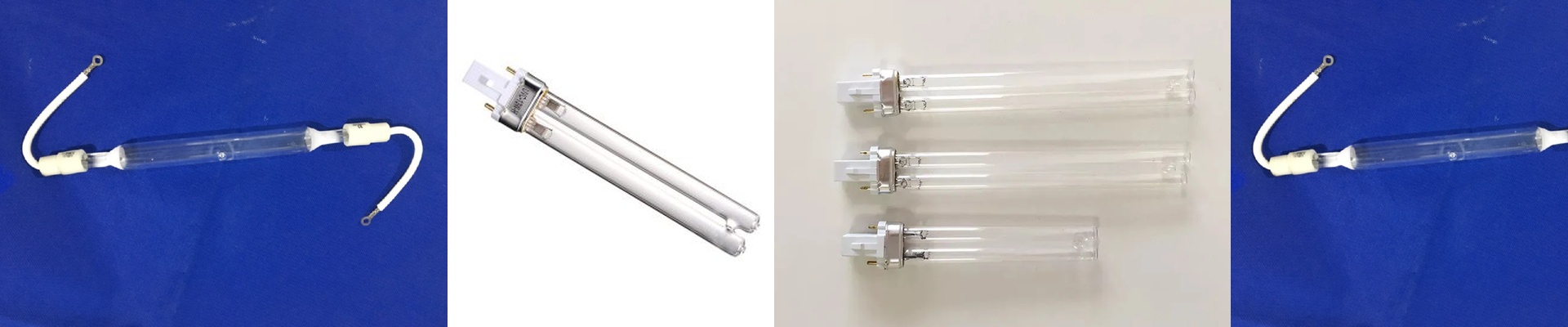
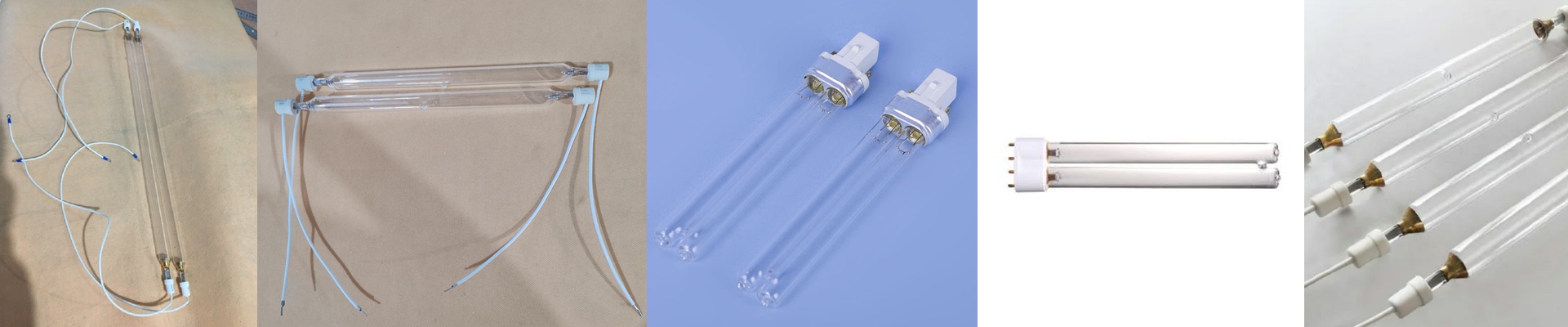
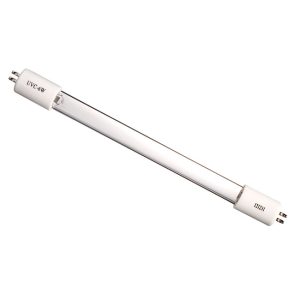
Getting Your UV Curing Right: A Look at Our Custom Mercury Modules
We spent some time at the 2026 Printing Expo showing off our custom mercury UV lamp modules. Now, these aren’t your typical, buy-it-off-the-shelf bulbs. We build these specifically for the actual speeds and ink types you’re dealing with on a real industrial line. The Power Side of Things We lean on high-pressure mercury vapor tech to hit those 254nm and 365nm peaks. That’s the sweet spot for getting ink to set fast. Depending on how thick your ink is, we can tweak the wattage and tube length to get the intensity just right. But here’s the catch: more power means more heat. A lot of it. You’ve got to make sure your cooling—whether you’re using air or water jackets—can actually handle the load. Otherwise, you’re looking at warped substrates, and nobody wants that. Fitting It Into Your Shop We use quartz glass because it lets the UV light through without wasting energy. The best part? We can build these to fit your current conveyor setup. It makes them a pretty easy swap when your old arrays finally give out. We also use heavy-duty connectors and reinforced wiring. Why? Because high-voltage startups are brutal on equipment, and we want to make sure nothing burns out the moment you flip the switch. The Real-World Trade-offs Look, mercury lamps have a broad spectrum, which means they cure a wider variety of inks faster than LEDs can. But they aren’t perfect. You’ve got to deal with warm-up times and you’ll need a solid ozone extraction system. To help out, we’ve spent a lot of time on the ballast integration. It keeps the arc stable, kills the flicker, and helps the bulbs last longer. One last tip: keep an eye on your power supply. If your voltage jumps around, your cure rate drops. That leads to tacky ink and a pile of wasted material. We calibrate every module to a specific voltage tolerance to keep things consistent. It just works.